 Bellingham Exterior
 Asphalt Shingle Roofing Built for Sunnyland's Conditions
Sunnyland is one of Bellingham's older, tree-shaded residential neighborhoods, and that mix of mature trees, close proximity to the water, and a roofline that's rarely out of the weather for long puts real demands on a roof. Asphalt shingles remain the most practical, cost-effective roofing material for the large majority of homes here — but "asphalt shingles" covers a wide range of products and installation quality, and in this neighborhood specifically, getting the details right matters more than it does in a drier, sunnier climate.
We work on roofs throughout Bellingham and Whatcom County, and Sunnyland's tree canopy, older housing stock, and closeness to Bellingham Bay mean we see certain shingle roofing problems here more often than in newer, more open subdivisions. This page covers what that means for your roof, what a correctly done shingle roof looks like in this setting, and how we approach the job.
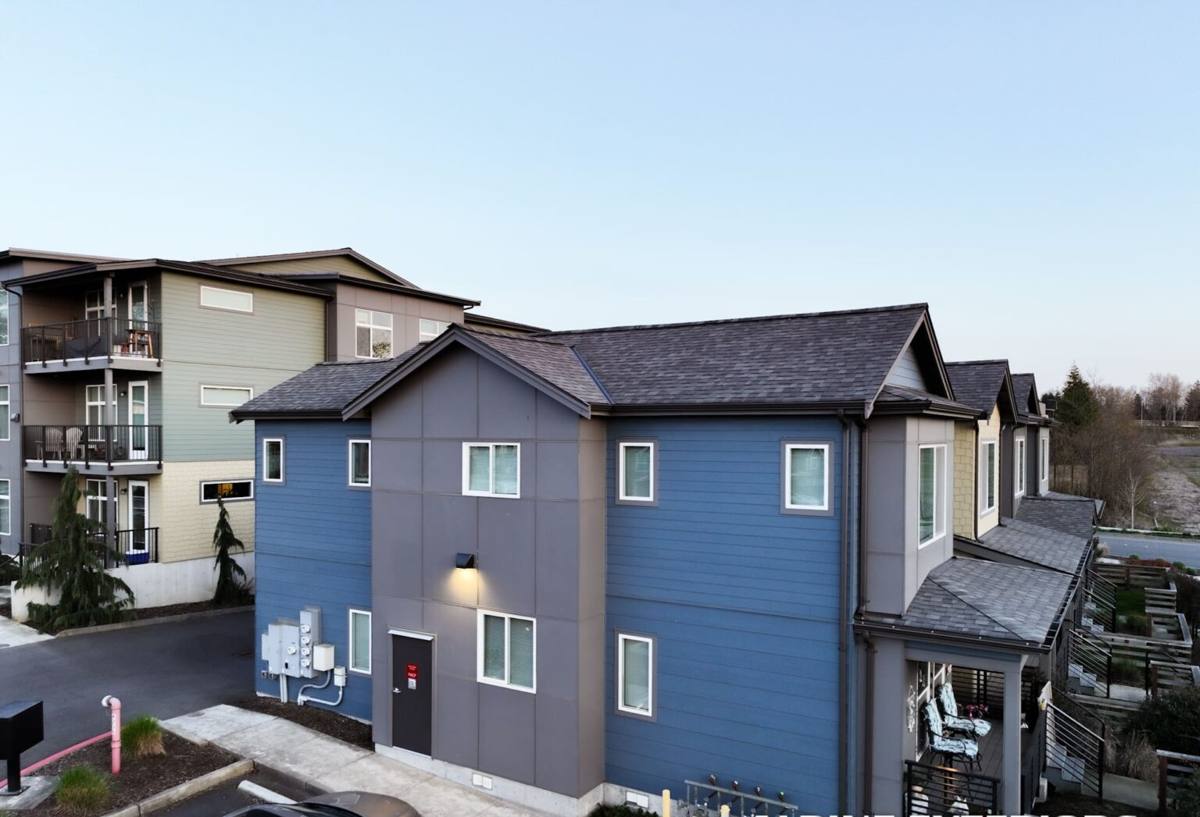
What Bellingham's Climate Does to a Shingle Roof
Three things drive most of the shingle roofing issues we find in this part of Whatcom County, and Sunnyland gets a heavier dose of all three because of its tree cover and inland-but-close-to-the-bay location.
Salt Air and Moisture
Bellingham Bay is close enough that homes throughout the city, including Sunnyland, are exposed to salt-laden air, especially on days with onshore wind. Salt air doesn't damage asphalt shingles the way it corrodes bare metal, but it does accelerate the breakdown of exposed metal flashing, fasteners, and vent components if they aren't rated for coastal exposure. A roof built with the wrong grade of hardware ages faster here than the same roof would inland.
Driving Rain
Western Washington rain isn't just frequent, it's often wind-driven, which means water gets pushed sideways under shingle tabs, into valleys, and around penetrations rather than simply running downhill. A roof that would perform fine in a calmer climate can leak in Bellingham if the underlayment, valley treatment, and flashing details aren't built to handle rain that isn't falling straight down.
A Long Moss Season
Sunnyland's mature trees are part of the neighborhood's character, but they also mean more shade, more organic debris on the roof, and slower drying between rain events. Moss and algae get a long growing season here — realistically most of the year — and they take hold fastest on north-facing slopes and anywhere debris collects in valleys or behind chimneys. Left alone, moss lifts shingle edges, holds moisture against the roof deck, and shortens the life of an otherwise sound roof.
What a Correct Shingle Roof Needs in This Neighborhood
None of this means Sunnyland needs an exotic roofing solution. It means the standard asphalt shingle installation needs to be done with Whatcom County's climate in mind, not a generic national spec sheet.
- Ice-and-water shield at vulnerable points — valleys, eaves, and around chimneys and skylights, where wind-driven rain is most likely to find a way in
- Full synthetic underlayment across the whole roof, not just the code-minimum areas, as a second line of defense under the shingles
- Corrosion-resistant flashing and fasteners given the salt air exposure common across Bellingham's western and central neighborhoods
- Proper ventilation at the ridge and soffits, which matters more under heavy tree cover where roofs dry out slower and moisture can build up in the attic
- Shingles with a algae-resistant rating where the homeowner wants extra protection against the staining and growth that shaded, damp roofs are prone to
- Careful valley and penetration detailing, since these are the spots where debris collects and rain concentrates
A roof built to this standard costs a little more in materials and labor up front than a bare-minimum install, but it's the difference between a shingle roof that reaches its full expected lifespan in this climate and one that starts leaking or losing granules well ahead of schedule.
Signs a Sunnyland Roof Needs Attention
Because of the tree cover and rain exposure, shingle roofs in this neighborhood tend to show trouble in a few consistent ways. Worth checking for, or asking us to check for, if your roof is getting older:
- Moss or dark streaking concentrated on north-facing or shaded slopes
- Granules collecting in gutters or downspouts, a sign shingles are wearing down
- Curling, cupping, or lifted shingle edges, especially where moss has taken hold
- Soft or discolored ceiling spots after heavy, wind-driven rain events
- Visible rust or deterioration on flashing around chimneys, vents, or skylights
- Debris buildup in valleys that isn't being cleared naturally by rain
Any one of these on its own isn't necessarily an emergency, but they're the early indicators we look for, and catching them early is usually the difference between a repair and a full replacement.
Repair, Partial Re-Roof, or Full Replacement
Not every roofing problem in Sunnyland calls for a full tear-off. Part of doing this job honestly is being clear about which category a given roof actually falls into.
| Situation | Typical Approach | What to Expect |
|---|---|---|
| Isolated leak, roof otherwise sound and under ~10-12 years old | Targeted repair | Flashing, sealant, or shingle replacement at the specific problem area |
| Moss buildup with shingles still structurally intact | Moss treatment and removal, ventilation check | Slows further damage; doesn't restore shingles already lifted or worn |
| Widespread granule loss, roof nearing 18-25 years old | Full replacement | Most cost-effective option once the roof is broadly past its useful life |
| Storm or wind damage to a portion of the roof | Partial re-roof of affected slopes | Workable if the rest of the roof is a similar age and condition |
We'll always tell you if a repair is the smarter move rather than pushing a full replacement you don't need yet — and we'll tell you just as plainly when a repair would just be a temporary patch on a roof that's genuinely at the end of its life.
Choosing Shingles for a Shaded, Coastal-Influenced Roof
Standard three-tab shingles are the budget option, but most homeowners in this neighborhood do better with a mid-to-upper-tier architectural shingle. They carry a heavier weight, hold up better to wind, and generally offer better warranty coverage against algae growth — a meaningful factor under Sunnyland's tree canopy. We don't push a single brand as the only acceptable option; the right shingle line depends on your budget, your roof's exposure, and how much weight you put on algae resistance versus upfront cost. What we do insist on is proper installation regardless of which product line you choose — a premium shingle installed with shortcuts on flashing or underlayment will still underperform a mid-range shingle installed correctly.
How We Approach a Sunnyland Roofing Job
Our process doesn't change dramatically street to street, but the details we prioritize on a Sunnyland roof reflect what actually causes problems in this specific setting.
1. Inspection
We look at the whole roof system, not just the shingles — decking condition, ventilation, flashing, valleys, and any moss or debris patterns that point to drainage or shade issues specific to your lot.
2. Honest Scope
You get a clear explanation of what's actually needed: repair, partial, or full replacement, and why, along with a real cost range rather than a lowball number that grows once work starts.
3. Tear-off and Deck Check
On a full replacement, we remove the old roofing down to the deck and check for any rot or soft spots, which show up more often on older Sunnyland homes with a history of moss and moisture exposure.
4. Underlayment and Flashing First
Before a single shingle goes down, the underlayment, ice-and-water protection, and flashing are installed to handle wind-driven rain, not just straight-down rainfall.
5. Shingle Installation
Shingles go on to manufacturer spec for nail pattern and exposure, which matters for both wind resistance and warranty validity.
6. Cleanup and Walkthrough
We clear the site of old materials and debris and walk the finished roof with you, including ventilation and any moss-prevention steps worth knowing about going forward.
Why It Matters to Hire a Crew That Already Works This Neighborhood
Sunnyland's roofs aren't unusual in Whatcom County terms, but a crew that mostly works drier, more open regions will tend to under-spec for tree cover, moss, and wind-driven rain simply because that's not what they deal with every day. A local crew that regularly works Bellingham neighborhoods like this one already knows to check ventilation on shaded roofs, use hardware suited to salt air exposure, and detail valleys for debris and standing water rather than treating those as optional upgrades. That familiarity shows up less in the sales pitch and more in the parts of the job you won't see once the roof is finished — the flashing, the underlayment, the fastener spec — which is exactly where a roof either holds up for its full expected life or doesn't.
Maintaining Your Roof After Installation
A well-installed asphalt shingle roof in this climate still benefits from basic upkeep, particularly given the moss season and tree debris common in Sunnyland:
- Keep gutters and valleys clear of needles and leaves, ideally at least twice a year
- Have moss treated before it spreads rather than after it's visibly lifting shingles
- Trim back overhanging branches to reduce shade and debris on the roof
- Schedule a roof check after any significant windstorm
- Watch for granules in gutters as an early sign of shingle wear
None of this requires a large time investment, but skipping it is the most common reason a well-installed roof underperforms its expected lifespan in a shaded, wet climate like this one.
If you're dealing with an aging roof, visible moss, or you just want an honest read on how much life your current shingles have left, we're happy to take a look. Reach out for a free, no-pressure estimate using the form below.