 Bellingham Exterior
 Exterior Work in Sudden Valley: What Makes This Area Different
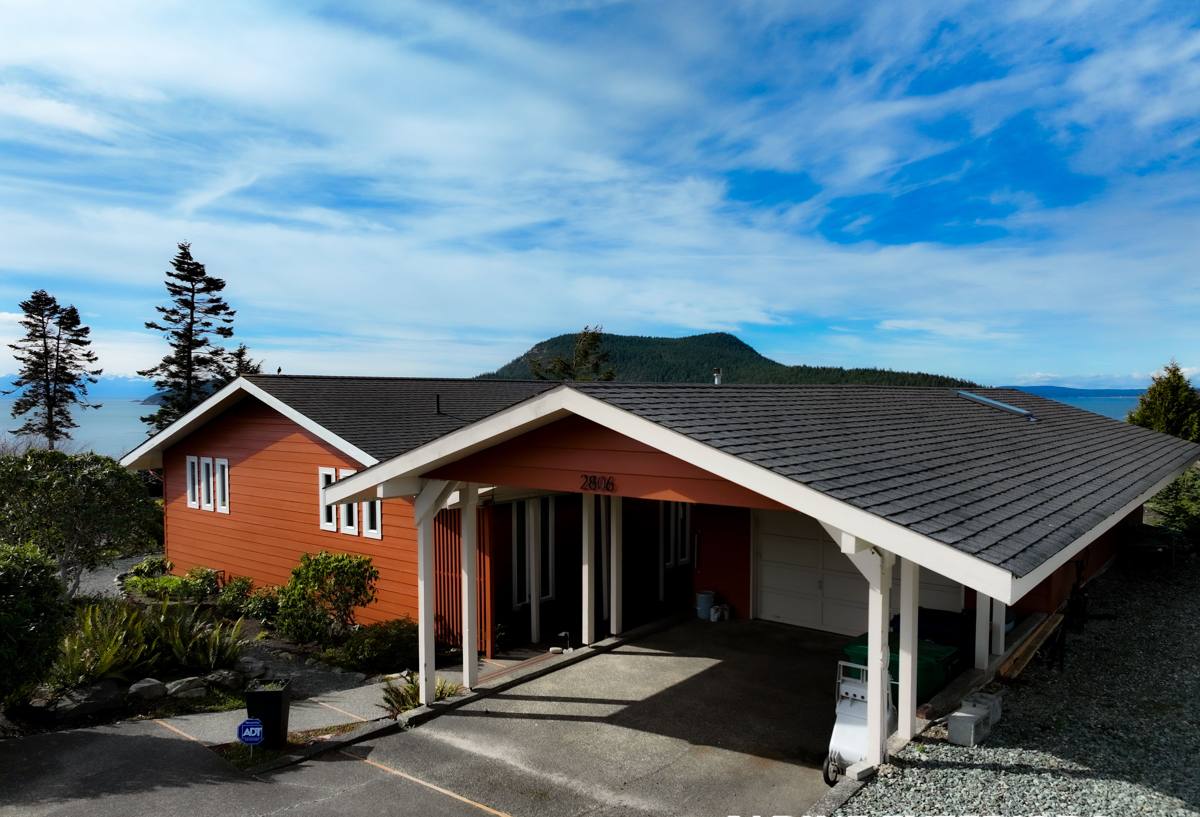
Sudden Valley sits along the shore of Lake Whatcom, tucked into forested terrain southeast of Bellingham. That combination of lake proximity, tree cover, and Whatcom County's marine climate creates a specific set of demands on a home's exterior that don't show up the same way in a drier inland neighborhood. Homes here deal with near-constant shade in places, heavy moisture retention from surrounding trees, and the kind of steady, driving rain that Western Washington is known for. None of that is unusual for this part of the state, but it does mean exterior materials and installation choices matter more here than they would somewhere with less rainfall and less tree cover.
We work throughout Whatcom County, and Sudden Valley is a neighborhood we're familiar with — its mix of lakefront lots, wooded interior streets, and homes built across several different decades each present their own maintenance picture. This page walks through what we typically see, what tends to fail first, and how our siding, roofing, window, and deck work is approached for a property in this kind of setting.
The Climate Factors That Wear Down Exteriors Here
Salt Air and Moisture Exposure
Bellingham's proximity to the Salish Sea means homes across the county, including inland communities like Sudden Valley, get some degree of salt-laden air moving through on prevailing winds. Salt air accelerates corrosion on exposed metal fasteners, flashing, and hardware, and it can speed up the breakdown of paint and coatings that aren't rated for coastal-adjacent exposure. It's a slower process than it would be for a home sitting right on the water, but over 15-20 years it adds up, especially on the weather-facing side of a house.
Driving Rain
Whatcom County gets a lot of rain, and a meaningful share of it arrives sideways during winter storm systems. Driving rain finds every gap, seam, and poorly lapped joint in a home's exterior envelope. Siding that isn't installed with the right overlaps, flashing that's missing at transitions, and caulk used as a substitute for proper flashing are the kinds of shortcuts that hold up fine in a light drizzle but fail during a real Pacific Northwest rain event.
Moss and Shade
Because Sudden Valley has significant tree cover and a lot of homes sit in partial or full shade for stretches of the day, moss and algae growth on roofs, siding, and decking is a near year-round concern rather than a seasonal one. Moss holds moisture against the surface it's growing on, and that constant dampness is what actually causes damage — not the moss itself, but what it traps underneath it. Roofs with north-facing slopes or heavy tree overhang are the first place we look for moss buildup, granule loss, and soft decking underneath.
Siding: Why the Product and the Installation Both Matter
For siding, we install James Hardie fiber cement exclusively. We don't install vinyl, LP SmartSide, Cemplank, Allura, primed spruce, or cedar, and we're upfront with homeowners about why. It's not that those products have no merit — several of them are reasonable, cost-conscious options in the right setting. But for a climate like this one, where moisture exposure is constant and shade slows drying time, the trade-offs of engineered-wood and wood-based sidings (moisture sensitivity at cut edges, more frequent recoating, susceptibility to swelling and fastener issues if the factory finish or sealed edges are compromised) are trade-offs we'd rather not put on a customer's home. Vinyl has its own limits: it can warp or become brittle over time, its seams and butt joints are a long-term weak point in wind-driven rain, and its color is baked in rather than factory-finished with a warrantied coating.
James Hardie fiber cement is non-combustible, dimensionally stable in wet-dry cycling, and finished with the ColorPlus factory-applied coating system, which carries its own separate finish warranty from the standard product warranty. For a shaded, moisture-heavy neighborhood like Sudden Valley, that stability matters — fiber cement doesn't swell, cup, or absorb water the way wood-based products can when it stays damp for extended periods.
Hardie Product Lines We Use
| Product Line | Best Suited For | Why It Fits This Area |
|---|---|---|
| HardiePlank Lap Siding | Most home exteriors | Available in HZ10 climate-engineered formulation for the Pacific Northwest's wet cycle |
| HardiePanel Vertical Siding | Accent walls, gable ends | Clean modern look, holds up well under tree-line runoff areas |
| HardieTrim | Corners, window and door trim | Resists the moisture wicking that wood trim suffers from in shaded areas |
| HardieShingle | Accent gables, transitional styling | Decorative texture without the maintenance burden of cedar shingle |
Correct installation is just as important as the product choice. That means proper flashing at every window, door, and horizontal transition; correct nailing patterns and fastener spacing per Hardie's published specs; adequate clearance between siding and grade, decks, and roof lines; and rainscreen or drainage plane detailing where the wall assembly calls for it. Skipping any of these steps is how even a good product ends up with moisture problems five or ten years down the road.
Roofing: Dealing With Moss, Shade, and Sustained Rain
Roofs in Sudden Valley take a beating from the combination of tree debris, prolonged shade, and heavy seasonal rainfall. A roof that would last its full expected lifespan on an open, sunny lot can show premature wear here if moss and moisture aren't kept in check and if the underlayment and flashing weren't installed with this climate in mind.
What We Look For on Roof Inspections
- Moss and algae buildup, particularly on north-facing and shaded slopes
- Granule loss on asphalt shingles from sustained moisture exposure
- Flashing condition around chimneys, skylights, and roof-to-wall transitions
- Soft or spongy decking, which usually indicates a leak that's been active for a while
- Gutter and downspout function — undersized or clogged gutters compound every other issue on this list
- Ventilation adequacy, since poor attic airflow traps moisture and accelerates deck rot from the inside
We install and repair roofing systems built for this level of rainfall, with attention to underlayment quality, proper flashing details, and ventilation — not just the shingle or panel on top. On heavily shaded lots we also talk through moss management with homeowners, since a roof replacement without a plan for ongoing moss control will just end up back in the same condition in a few years.
Windows: Sealing Out Driving Rain
Window failure in this climate is rarely about the glass itself — it's almost always about the flashing and sealing around the frame. Driving rain pushes water into any gap at the window's perimeter, and once water gets behind a window into the wall cavity, it can sit there for a long time before it becomes visible as a stain, soft trim, or interior damage. When we replace windows, we pay particular attention to head flashing, proper integration with the siding's weather-resistive barrier, and sill pan flashing at the base of the opening. We also look at window condition as part of any siding project, since siding and window flashing work as one connected system — replacing one without checking the other is how leaks get built back into a home.
Decks: Built for Shade, Rain, and Moss
Decks in shaded, tree-covered settings like much of Sudden Valley face some of the toughest conditions on a property. Wood decking that doesn't get much direct sun stays damp longer after every rain, which accelerates rot, encourages moss and algae growth on walking surfaces, and shortens the life of structural framing underneath if it's not properly protected. We build and repair decks with attention to proper drainage, ledger board flashing (a common failure point where decks meet the house), and structural spacing that allows airflow underneath the decking boards rather than trapping moisture against the framing.
Composite decking is worth considering for lots with heavy shade, since it doesn't absorb moisture the way wood does and holds up better against sustained dampness — though it still needs proper substructure ventilation and periodic cleaning to manage surface moss and algae.
Cost Factors for Sudden Valley Properties
Every home and lot is different, but a few factors specific to this area tend to affect project scope and cost more than they would in a typical inland Bellingham neighborhood.
| Factor | Why It Affects Scope |
|---|---|
| Tree cover and access | Wooded lots can mean more careful staging, debris clearing, and sometimes limbing back branches for safe work access |
| Slope and lake-adjacent terrain | Some lots have steeper grades or lake-facing elevations that affect scaffolding and material staging |
| Existing moisture damage | Homes with long-term moss or shade exposure sometimes have hidden sheathing or framing damage discovered once old siding or roofing comes off |
| Age of existing exterior | Older homes may need additional flashing or drainage plane upgrades to bring the wall assembly up to current best practice |
Why a Local Crew Matters for This Kind of Work
Exterior work in a neighborhood like Sudden Valley isn't the same job as exterior work on an open, sunny lot across town. A crew that knows Whatcom County's rain patterns, understands how shade and tree cover change a home's drying time, and has seen how moss actually causes damage (versus just being a cosmetic nuisance) makes different decisions on the job — where to add flashing, how much drainage detail a wall assembly needs, when a roof replacement should come with a moss management conversation instead of just a new layer of shingles. That local knowledge doesn't show up on a spec sheet, but it's a big part of why the same product installed two different ways can have very different outcomes ten years later.
A Practical Checklist for Homeowners
- Check gutters and downspouts before the fall rains start and clear them again mid-winter if you're under trees
- Look for moss on north-facing roof slopes and siding at least once a year
- Watch for soft trim, bubbling paint, or dark staining near windows and doors — early signs of water intrusion
- Keep tree branches trimmed back from the roofline to reduce debris buildup and prolonged shade on one section of roof
- Have deck ledger boards and framing checked periodically, especially on decks that stay shaded most of the day
- Get a full exterior inspection every few years, not just when something looks obviously wrong
Get a Local, No-Pressure Estimate
If you're dealing with moss buildup, a roof or siding project you've been putting off, or just want an honest read on where your Sudden Valley home stands, we're happy to take a look. Reach out for a free estimate — no pressure, no obligation, just a straightforward assessment from a crew that works in this climate every day.