 Bellingham Exterior
 Exterior Contracting for Barkley Homes
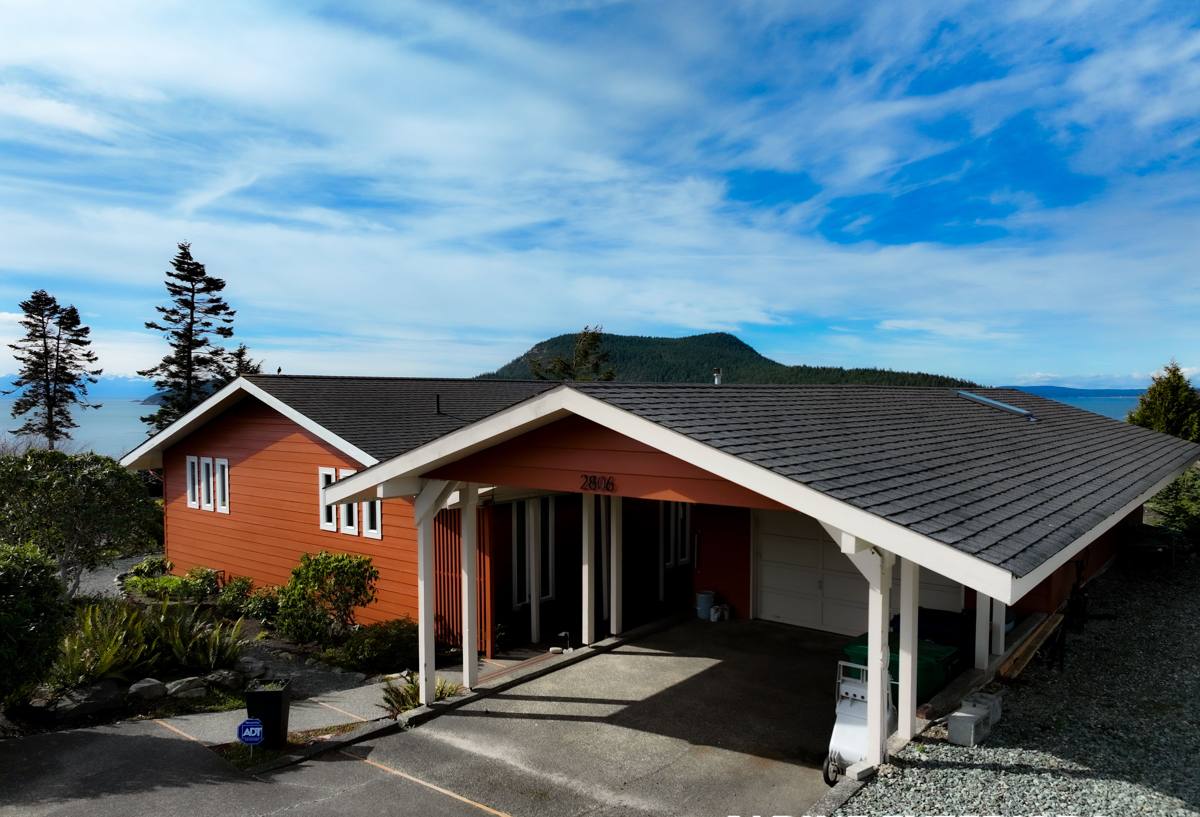
Barkley sits close enough to the water and to Bellingham's tree cover that its homes take on a specific combination of weather stress: salt-tinged air drifting in off Bellingham Bay, driving rain that comes in sideways during fall and winter storms, and a long, damp moss season that can run from October through April. If you own a home in this part of Whatcom County, you already know the drill — north-facing walls that never quite dry out, gutters that clog with fir needles, and trim that seems to need repainting more often than it should. Bellingham Exterior Contractor works this area regularly, and our approach to siding, roofing, windows, and decks is built around what actually happens to exterior materials here, not what works in a drier climate.
What the Climate Does to Barkley Exteriors
Moisture Is the Constant Threat
Whatcom County doesn't get extreme storms as often as other regions, but it gets sustained, low-grade wet weather for months at a stretch. That's arguably harder on a house than a single big storm. Wood-based siding products absorb moisture slowly over repeated wet-dry cycles, and once that cycle starts, it doesn't reverse itself without intervention. Paint film breaks down, seams open up, and moisture finds its way behind the cladding where it can sit against sheathing and framing.
Salt Air and Slow Corrosion
Homes closer to the water deal with a slow, cumulative effect from salt-laden air — it accelerates corrosion on fasteners, flashing, and metal roofing components, and it can affect how paint and finishes hold up over time. It's not dramatic, but it adds up over a decade or two, which is exactly the timeframe most homeowners are planning around when they choose exterior materials.
Moss, Shade, and Slow-Drying Surfaces
Barkley's tree cover is part of what makes the neighborhood pleasant to live in, but shaded roof planes and north walls dry slower after every rain. That extended dampness is what moss and algae need to get established on roofing and siding. Once moss takes hold on a roof, it holds moisture against shingles and can shorten the life of the roofing system if it's not managed.
Siding: Why We Only Install James Hardie
Siding is the single biggest factor in how well a Barkley home handles this climate, because it's the material standing between the weather and everything else. We install James Hardie fiber cement siding exclusively — we do not install vinyl, LP SmartSide, Cemplank, Allura, primed spruce, or cedar. That's a deliberate standard, not a limitation of what we're capable of installing, and it's worth explaining why.
The Trade-Offs of Alternatives
- Vinyl siding is inexpensive and low-maintenance in mild weather, but it's a petroleum-based product that can warp or become brittle over time, and its seams and J-channels give wind-driven rain more opportunities to find a way behind the panel.
- Wood products (cedar, primed spruce) look great when new and can be a legitimate choice for homeowners who want that look and are prepared for the upkeep, but they require the most consistent maintenance of any siding option — regular refinishing, caulk inspection, and prompt repair of any moisture intrusion. In a climate with our rain totals, that maintenance window closes fast if it's skipped even one season.
- LP SmartSide is an engineered wood product with real strengths, but it is still a wood-based substrate, meaning cut edges, seams, and any breach in the factory coating are places where moisture can begin to do damage over years of exposure.
- Cemplank and Allura are also fiber cement products and share some of Hardie's core advantages, but we've standardized on one manufacturer so we can guarantee installation detail, product knowledge, and warranty administration are consistent on every job, rather than switching systems project to project.
Why Hardie Fits This Climate
James Hardie fiber cement is non-combustible, dimensionally stable, and doesn't absorb moisture the way wood-based products do. Hardie's ColorPlus factory-applied finish is baked on under controlled conditions, which gives it more consistent coverage and UV resistance than field-applied paint, and it comes with a longer finish warranty than most homeowners get from repainting a wood or engineered-wood product themselves. Hardie also makes climate-engineered HZ product lines specifically formulated for wetter regions like ours, which matters more here than it would in a dry climate. Correct installation — proper clearances, flashing, and fastening — is what makes any siding system perform, and it's a large part of what we control as the installer.
Roofing in a Moss-Prone, Shaded Neighborhood
Roofing decisions in Barkley need to account for shade patterns and moss growth as much as material choice. We look at how much tree cover a roof sits under, where valleys and north-facing planes are likely to stay damp longest, and whether the existing ventilation is doing its job — a roof that can't breathe traps moisture underneath the shingles, which speeds up everything from moss growth to premature aging. Good gutter and flashing detail matters just as much as the shingles themselves, since a huge share of roof leaks in this climate start at a flashing or gutter failure point, not a failed shingle.
Windows: Sealing Out Driving Rain
Wind-driven rain is a different problem than a heavy downpour on a still day — water gets pushed sideways and upward against window frames and flashing in a way that exposes weak seals fast. Older windows in Barkley homes, especially original aluminum-frame units from earlier construction eras, are common sources of drafts and slow water intrusion around the frame. When we replace windows, correct flashing integration with the surrounding siding is as important as the window unit itself; a good window installed with poor flashing detail will eventually leak regardless of the window's quality rating.
Decks: Built for Wet-Dry Cycling
Decks in this climate go through repeated wet-to-dry cycles most of the year, which is hard on fasteners, ledger connections, and any wood surface that isn't properly sealed and maintained. The ledger board attachment — where the deck meets the house — is one of the most safety-critical and moisture-prone points on the whole structure, and it's worth having inspected on any older deck even if the surface boards still look fine. We build and repair decks with attention to drainage, proper flashing at the ledger, and materials suited to sustained damp exposure rather than just how they look on installation day.
Cost Factors for Barkley Exterior Projects
| Factor | Why It Matters Here |
|---|---|
| Home size and wall complexity | More corners, gables, and trim detail increase material and labor time for siding and paint-line work. |
| Existing moisture damage | Hidden rot behind old siding or around windows can add repair scope once materials come off. |
| Roof pitch and tree cover | Steeper roofs and heavy shade affect both labor difficulty and long-term moss/algae maintenance needs. |
| Window count and flashing condition | Full replacement with proper flashing integration costs more upfront than sash-only swaps but performs better long-term. |
| Deck ledger and structural condition | A sound structure costs less than one needing ledger or framing repair before new decking goes on. |
Why a Local Crew Matters
A contractor based elsewhere in Washington might do fine work, but they won't necessarily know that a particular Barkley street sits in more shade than the rest of the neighborhood, or that a certain roof exposure catches the brunt of storms coming off the bay. We work in Bellingham and greater Whatcom County regularly enough to recognize these patterns house to house, and that shows up in decisions like where we push for extra flashing detail, which sides of a home need the most moisture-resistant materials, and how we sequence a project around our wet season instead of fighting it.
What to Expect Working With Us
- An on-site assessment that looks at your home's specific exposure — sun, shade, wind direction, and proximity to the water
- Straight talk about what's actually wrong versus what's cosmetic, before any work is proposed
- Siding recommendations limited to James Hardie fiber cement, with an honest explanation of why
- Attention to the details that actually determine long-term performance: flashing, fastening, clearances, and ventilation
- A written scope so you know exactly what's being done and why, before work begins
If you're noticing moss buildup, drafty windows, siding that's holding moisture, or a deck that's due for an honest look, we're happy to come take a look. Reach out for a free, no-pressure estimate using the form below.