 Bellingham Exterior
 Lynden's Exteriors Take a Different Kind of Beating
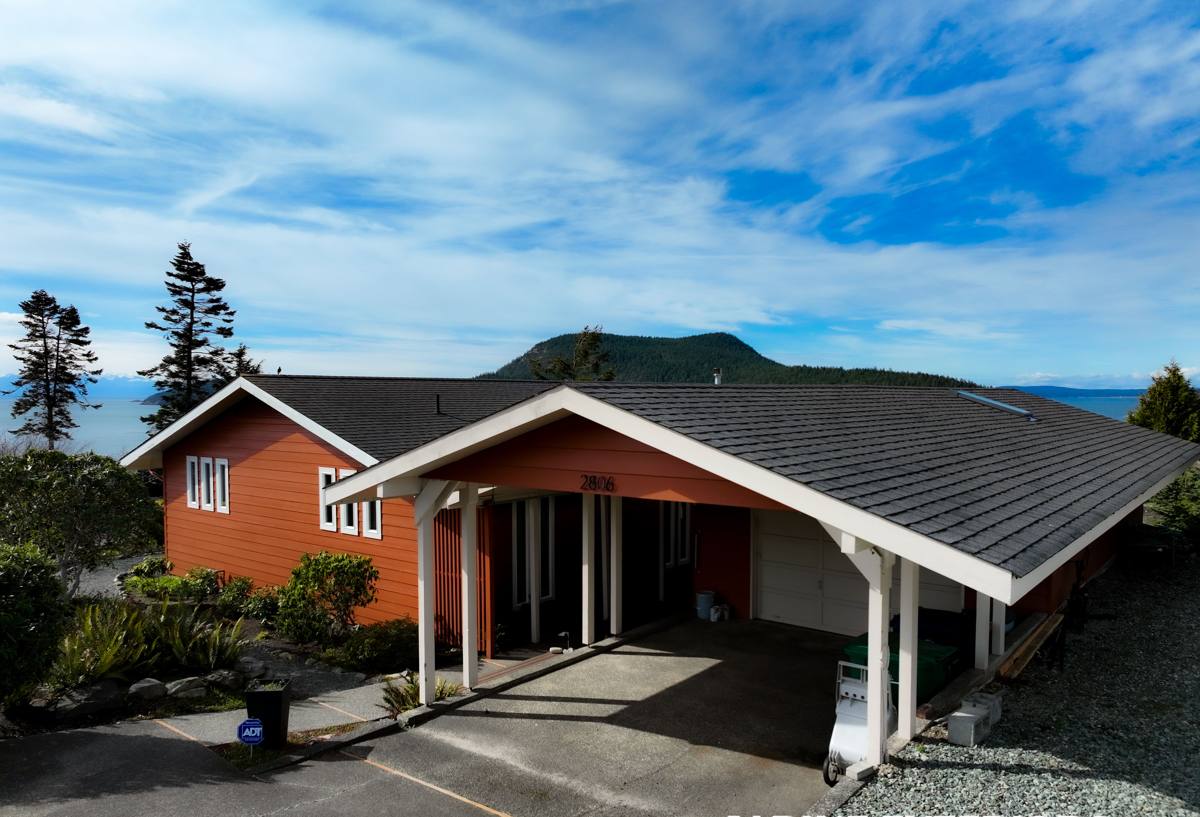
Lynden sits inland from Bellingham Bay in the Nooksack River valley, and homeowners here sometimes assume that distance from open water means an easier climate for their siding, roofs, and decks. It doesn't work out that way. Marine air still pushes up the valley, driving rain still arrives sideways during fall and winter storms, and the same low, gray stretches that blanket the rest of Whatcom County settle over Lynden for weeks at a time. The result is an exterior envelope that's under near-constant moisture pressure for a good chunk of the year, even on homes that never see the water.
We work on homes throughout the Bellingham area, and Lynden's mix of older farmhouses, mid-century ranches, and newer subdivisions gives us a good cross-section of how different siding, roofing, and deck materials actually perform once they've had a decade or two of real Whatcom County weather on them. That experience is what shapes the recommendations on this page.
What the Climate Actually Does to a House
Driving Rain and Wind-Driven Moisture
Rain in this part of Washington rarely just falls straight down. Storms moving through the valley push rain sideways into wall assemblies, window trim, and door thresholds. Any gap in flashing, any seam that wasn't properly lapped, any siding product that swells or wicks water at the joints becomes an entry point. Over years, that moisture finds its way behind the cladding and starts working on the sheathing and framing underneath — long before anything looks wrong from the curb.
The Long Moss Season
Whatcom County's moss season isn't a few weeks in spring — it's most of the year. Shaded roof slopes, north-facing siding, and anything under tree cover stays damp long enough for moss and algae to take hold and spread. Moss on a roof holds water against shingles and accelerates wear. Moss and mildew on siding aren't just cosmetic; on the wrong substrate they signal that moisture is sitting on the surface rather than shedding off it.
Freeze-Thaw and Temperature Swings
Lynden gets colder overnight lows than the immediate coastline, especially on clear winter nights when cold air settles in the valley. Materials that have absorbed moisture and then freeze are more prone to cracking, splitting, and paint failure. It's a slower-motion problem than a big storm, but it's a steady one.
Siding: Why We Only Install James Hardie Fiber Cement
We get asked regularly why we don't offer vinyl, LP SmartSide, or the various fiber cement alternatives on the market. The honest answer is that after years of siding work in this climate, we standardized on one product line — James Hardie fiber cement — because it holds up to exactly the conditions Lynden homes face, and we didn't want to keep installing products we knew would give homeowners more maintenance and shorter service life.
Where the Alternatives Fall Short Here
- Vinyl siding is inexpensive and low-maintenance in mild climates, but it expands and contracts with temperature swings, can crack in hard freezes, and isn't rated to stand up to sustained wind-driven rain the way a properly flashed fiber cement assembly is.
- LP SmartSide is an engineered wood product. It performs reasonably when installation and maintenance are perfect, but wood-based siding is more sensitive to the kind of prolonged damp exposure Whatcom County delivers — cut edges and butt joints need diligent sealing and upkeep that many homeowners don't realize they've signed up for.
- Cedar and primed spruce look great when new, but real wood siding in a high-moisture climate needs a maintenance schedule most people underestimate: recoating, caulking, and moisture monitoring, or rot sets in.
- Cemplank and Allura are also fiber cement, and fiber cement as a category is the right call for this climate. Our decision to run exclusively with Hardie comes down to their factory-applied ColorPlus finish, their climate-engineered HZ5 product line built for the Pacific Northwest, and a warranty structure we're comfortable standing behind.
What James Hardie Gets Right for This Climate
Fiber cement is non-combustible, doesn't swell or rot the way wood-based products can, and holds paint and factory color far longer than wood siding. Hardie's HZ5 line is specifically engineered for climates like ours, with moisture and freeze-thaw performance built into the product rather than left to field maintenance. The ColorPlus factory finish means the color coat is baked on under controlled conditions, not applied on-site where weather can affect cure quality — and it comes with its own finish warranty separate from the substrate warranty.
Correct Installation Matters as Much as the Product
Fiber cement siding is only as good as the flashing, gapping, and fastening behind it. In a wind-driven-rain climate, the details that don't show — proper weather-resistive barrier lapping, correctly flashed window and door openings, rainscreen or drainage gap where called for, and factory-specified fastener placement — determine whether the wall assembly actually sheds water or slowly traps it. We install to Hardie's published specifications because those specs exist for exactly this kind of weather, not as a formality.
Roofing for Whatcom County Homes
A roof in this area is doing two jobs at once: shedding a large volume of rainfall efficiently, and resisting the moss and moisture that build up during the long stretches between dry spells. That means underlayment quality, proper flashing at every penetration and valley, and ventilation that lets the roof deck dry out between storms all matter as much as the shingle or panel itself. Roofs that trap moisture — from poor ventilation or moss buildup left unaddressed — age faster than the material's rated lifespan would suggest, regardless of what's actually installed.
Windows: The Piece Homeowners Often Overlook
Window replacement and re-flashing often get bundled with siding work for good reason — old window flashing is one of the most common places we find hidden water intrusion once siding comes off. In a climate with this much wind-driven rain, the seal between the window unit and the wall assembly matters as much as the window's energy performance. When we're already opening up a wall for siding work, it's the right time to address window flashing that's failed or was never installed correctly to begin with.
Decks: Built for Moss, Rain, and Standing Water
Outdoor living spaces in Lynden face the same moss and moisture pressure as roofs and siding, plus the added stress of standing water on horizontal surfaces. Deck boards, ledger connections, and any structural framing exposed to weather need proper flashing at the house connection, adequate drainage and slope, and materials or coatings chosen with this climate in mind. A ledger board that isn't flashed correctly is one of the more common sources of hidden rot we find on older decks in this area — it's a small detail with outsized consequences.
Comparing Siding Options for This Climate
| Material | Moisture Behavior Here | Maintenance Burden | Typical Longevity |
|---|---|---|---|
| James Hardie fiber cement | Does not swell, rot, or wick water at joints when properly flashed | Low — factory finish holds color, periodic cleaning | Multiple decades with proper installation |
| Vinyl | Expands/contracts with temperature swings; can crack in hard freeze | Low, but limited repair options if damaged | Variable, shorter in harsh wind/freeze cycles |
| LP SmartSide / engineered wood | Sensitive to sustained damp exposure at cut edges and joints | Moderate — sealing and upkeep required | Depends heavily on maintenance diligence |
| Cedar / primed spruce | Absorbs moisture; prone to rot without upkeep | High — recoating and caulking on a schedule | Shorter without consistent maintenance |
Why a Local Crew Matters
A crew that works Whatcom County year-round knows what a Lynden winter does to a wall assembly, what a north-facing roof slope looks like after five moss seasons, and where wind-driven rain typically finds its way in on homes built to older code. That local pattern recognition shows up in the small decisions — where to add extra flashing, which details to double-check — that a crew unfamiliar with this specific climate might not think to prioritize.
What to Look For When Hiring
- Manufacturer-specific installation training, not just general siding or roofing experience
- Clear, written warranty terms for both materials and labor
- Willingness to explain flashing and drainage details, not just color and style options
- Local references and a track record of work in this specific climate
- Proper licensing and insurance, verified before any contract is signed
Signs Your Lynden Home Needs Exterior Attention
- Persistent moss or dark streaking on roof slopes or north-facing siding
- Soft or spongy spots on deck boards, ledger areas, or siding near ground level
- Paint that's peeling, bubbling, or chalking faster than expected
- Visible gaps, warping, or separation at siding joints and window trim
- Interior signs like musty smells, staining, or soft drywall near exterior walls
- Missing, curling, or granule-shedding roof shingles
Planning Your Project: What Affects Cost
Every home is different, but a few factors consistently drive the scope and cost of exterior projects in this area: how much of the existing wall assembly needs to be opened up and re-flashed, how much water damage (if any) is found once siding or roofing comes off, the size and complexity of the roofline or deck footprint, and how many trim, window, and detail elements are involved. We give straightforward, itemized estimates rather than vague ballpark numbers, because a Lynden home with hidden moisture damage behind old siding is a different project than one that's simply due for a material upgrade.
If you're noticing moss buildup, aging siding, or a deck that's seen better days, we're happy to take a look and give you a straightforward, no-pressure estimate — just fill out the form below to get started.