 Bellingham Exterior
 Silver Beach and the Exterior Challenges That Come With It
Silver Beach sits along the edge of Bellingham, in the kind of wooded, moisture-heavy pocket of Whatcom County that tests a home's exterior every single year. Between the tree cover, the elevation changes, and the moist marine air that rolls in off Bellingham Bay and the North Sound, homes here deal with a longer, wetter shoulder season than homeowners further inland ever have to think about. If you've owned a house in this neighborhood for more than a winter or two, you already know the pattern: rain that doesn't just fall but drives sideways, shaded rooflines that never quite dry out, and moss that shows up in the same spots every year no matter how many times you scrub it off.
None of that is unusual for Whatcom County. But it does mean exterior materials and installation choices that work fine in a drier climate can fail early here — and the failures are rarely dramatic. They show up slowly, as soft trim, curling shingles, fogged window glass, and deck boards that stay damp for days after a storm. A contractor who understands Silver Beach's specific microclimate builds differently from the start.
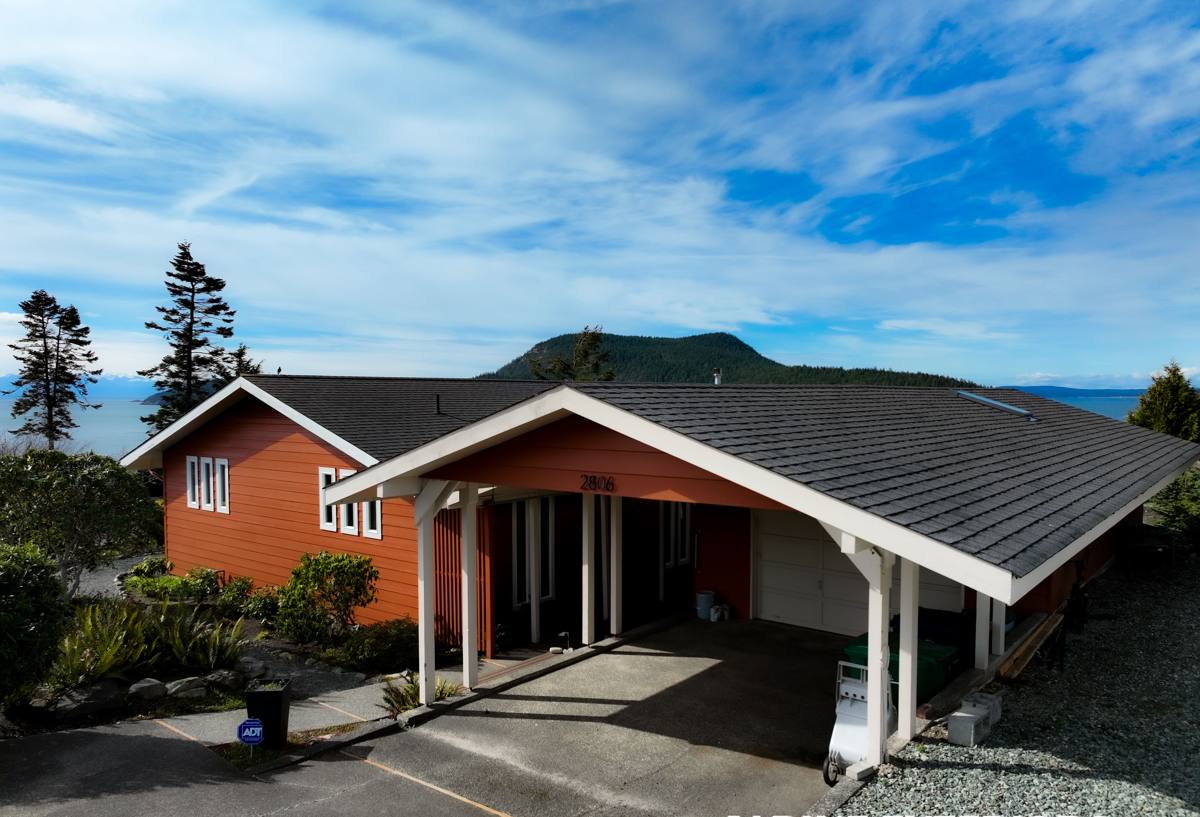
Why a Local Crew Matters More Than It Sounds Like It Should
Exterior work is one of the few home projects where "local" isn't just a marketing word — it's a technical requirement. Flashing details, siding clearances, roof ventilation, and deck drainage all need to be sized for the amount of rain and shade a specific property actually gets, not a national average. A crew that works Whatcom County neighborhoods regularly knows which sides of a Silver Beach home tend to hold moisture longest, where moss establishes first, and which details fail first when they're cut short.
We're a Bellingham-based exterior contractor, and Silver Beach is inside our regular service area — not a stretch job we take occasionally. That matters when it comes time for warranty follow-up, a maintenance question three years down the road, or simply having someone show up who already understands the site conditions before they park the truck.
Siding: Why We Only Install James Hardie Fiber Cement
Siding takes the brunt of everything a Silver Beach exterior faces — driving rain, prolonged dampness, and the organic growth that comes with shaded, tree-lined lots. It's also the single material choice that most determines how much maintenance a homeowner is signing up for over the next twenty years. We made a deliberate decision as a company: we install James Hardie fiber cement siding, exclusively. We don't install vinyl, LP SmartSide, Cemplank, Allura, or unfinished wood siding like primed spruce or cedar.
What That Rules Out, and Why
Each of those alternatives has legitimate strengths — vinyl is inexpensive and low-maintenance in dry climates, engineered wood products like LP SmartSide install quickly and take paint well, and cedar has genuine aesthetic appeal. But in a wet, moss-prone environment like Silver Beach, each carries a real trade-off:
- Vinyl siding can warp or buckle with temperature swings and doesn't hold paint, limiting long-term color options; seams and edges also give moisture more places to work behind the panel over time.
- LP SmartSide and similar engineered wood products are wood-based, which means they're more sensitive to sustained moisture exposure at cut edges and joints if caulking and paint aren't maintained on schedule.
- Cemplank and Allura are also fiber cement, but they're different manufacturing systems with their own installation specs, warranty terms, and factory-finish options — and we've standardized on one system so every crew member installs to one set of details, every time.
- Unfinished cedar or primed spruce looks excellent on day one but demands the most upkeep of any siding option — regular refinishing, careful sealing at end grain, and vigilant moss and mildew control, especially under tree cover.
James Hardie fiber cement is non-combustible, dimensionally stable in wet-dry cycling, and comes with a factory-applied ColorPlus finish that's baked on rather than field-painted — which means better color retention and fewer repaint cycles over the life of the siding. Hardie also engineers specific product lines (their HZ5 formulation, for example) for wetter, colder climate zones like ours, which is a level of climate-specific engineering the alternatives don't offer. Backed by a strong transferable warranty, it's the material we're comfortable standing behind on every Silver Beach home we side.
Roofing for a Shaded, Wet Neighborhood
Roofs in Silver Beach's tree-covered areas face two compounding problems: they get less direct sun to dry out between rain events, and they're more exposed to falling debris and moss spores from surrounding trees. Moss on a roof isn't just cosmetic — its root structure lifts shingle edges and holds moisture against the roof deck, which shortens the life of the roofing material and increases the risk of leaks at vulnerable points like valleys and penetrations.
A roof built for this neighborhood needs proper ventilation to keep the deck dry, ice-and-water shield at the vulnerable transitions, and flashing details sized for sustained rain rather than occasional downpours. We also talk homeowners through realistic moss-prevention options — zinc or copper strips, periodic cleaning — as part of an ongoing maintenance plan rather than a one-time fix.
Windows: Keeping Driving Rain Out for Good
Window failures in this climate are almost always about water intrusion at the flashing and sill, not the glass itself. Wind-driven rain finds any gap in the flashing pan or sealant line, and once water gets behind a window frame in a consistently damp environment, it doesn't dry out — it sits, and it rots framing from the inside where you can't see it until the damage is advanced.
Correct window replacement here means proper flashing integration with the surrounding siding — not just caulk around the edges — along with sill pans that direct any incidental water back outside instead of into the wall cavity. It's also a natural pairing with siding work, since replacing windows and siding together lets us integrate flashing details cleanly instead of working around existing siding that may already be compromised.
Decks: Standing Up to Moss, Shade, and Standing Water
Decks in shaded Silver Beach yards deal with the same enemy as the roofs above them: prolonged dampness that never fully evaporates between rain events. That accelerates rot in wood decking, makes surfaces slick with algae and moss, and puts real stress on ledger board connections and footings if drainage wasn't planned correctly at the start.
Good deck work for this environment starts below the surface — proper ledger flashing where the deck meets the house, joist tape to protect framing lumber, and enough slope and gapping in the decking to let water actually shed instead of pool. Material choice matters too: composite decking resists moisture and moss better than raw wood over the long run, though it comes at a higher upfront cost, which is worth weighing against a wood deck's lower price and shorter maintenance-free window.
What Drives Cost on a Silver Beach Exterior Project
Every property is different, but a few factors consistently move the price on exterior projects in this neighborhood:
| Factor | Why It Matters Here |
|---|---|
| Tree cover and access | Shaded, wooded lots common in Silver Beach can mean tighter equipment access and more debris cleanup during roofing or siding work. |
| Existing moisture damage | Homes that have gone years without maintenance may have hidden rot behind siding or at window flashing, found only once material comes off. |
| Roof pitch and complexity | Steeper or more cut-up rooflines take longer to flash correctly and increase both material waste and labor time. |
| Siding profile and trim detail | Lap siding versus shingle-style Hardie panels, plus trim complexity, changes both material cost and install time. |
| Elevation and site grading | Sloped Silver Beach lots can affect scaffolding, drainage planning, and deck footing depth. |
We walk every property in person before giving a number — generalized online estimators can't account for what's actually going on at a specific address, especially once hidden moisture damage is part of the conversation.
What to Ask Before Hiring an Exterior Contractor in This Area
Whatcom County has no shortage of exterior contractors, and not all of them are set up to handle the moisture demands of a neighborhood like Silver Beach. Before signing a contract, it's worth confirming:
- Are they licensed and insured to work in Washington State, and can they provide proof without hesitation?
- Do they install one siding system to spec, or do they mix and match products based on what's cheapest that month?
- Will they explain flashing and moisture-management details specifically, not just "we'll make it look nice"?
- Do they offer a manufacturer warranty that's actually transferable if you sell the home?
- Can they point to ongoing work in your specific neighborhood, not just a general service area on a map?
- Do they give you a written, itemized estimate rather than a vague lump-sum number?
Get a Free Estimate for Your Silver Beach Home
If your Silver Beach home is due for new siding, a roof, replacement windows, or a deck rebuild, we're glad to walk the property, talk through what your specific site is dealing with, and put together a straightforward, no-pressure estimate. Use the form below to get started.