 Bellingham Exterior
 Exterior Work Built for Happy Valley's Climate
Happy Valley sits close enough to Bellingham Bay that salt-laden air is a fact of life for the neighborhood's homes, and close enough to the hills and tree cover around it that shade, moisture, and moss are a fact of life too. Add Whatcom County's long stretch of driving rain from fall through spring, and you've got a combination that is hard on every exterior surface a house has: siding, roofing, trim, windows, and any exposed wood on a deck. We've worked on homes throughout this part of Bellingham long enough to know which failure patterns show up here specifically, and we build our recommendations around that reality rather than a generic checklist.
This page covers how our core services — siding, roofing, windows, and decks — apply to Happy Valley homes, what local conditions tend to cause trouble, and what a straightforward, honest exterior project looks like in this neighborhood.
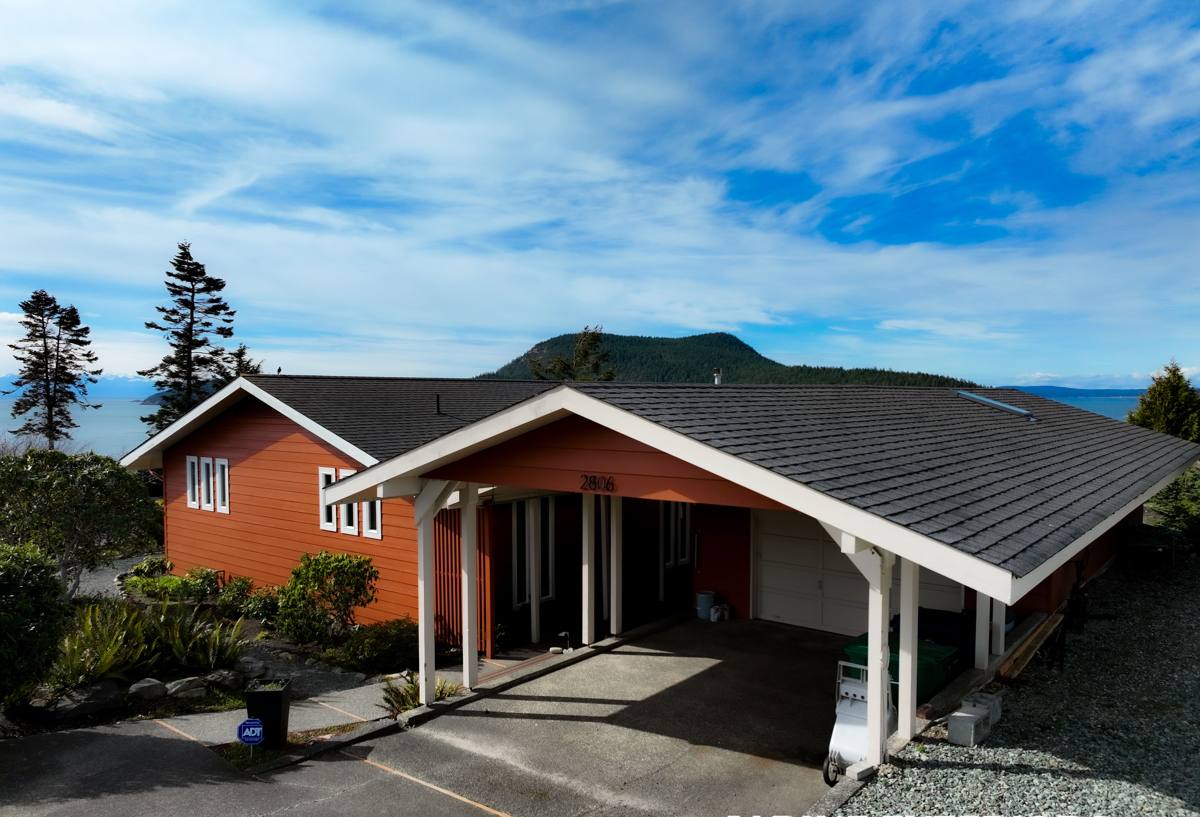
What the Local Climate Does to a House
Salt Air and Corrosion
Homes closer to the water pick up airborne salt that settles on siding, fasteners, and metal flashing. Over years, that salt exposure accelerates corrosion in cheaper fasteners and speeds up the breakdown of finishes that aren't rated for a marine environment. It's a slow process, so it's easy to underestimate until you're looking at rust streaks or a paint job that failed years ahead of schedule.
Driving Rain
Bellingham doesn't get the heaviest rainfall in the state, but a lot of it comes sideways off the water and through wind-exposed lots. Driving rain finds gaps that vertical rain never would — around window flashing, at siding butt joints, behind poorly lapped trim. Once water gets behind an exterior surface, drying time in our climate is slow, and that's when rot and mold set in.
Moss and Shade
Happy Valley's mix of mature trees and rooflines in partial shade creates ideal conditions for moss and algae growth on roofing and north-facing siding. Moss holds moisture against the surface far longer than open air would, and on roofing in particular, it can work its way under shingle edges and lift them over time. Regular cleaning helps, but the bigger factor is which materials and roof details resist moss growth in the first place.
Siding in Happy Valley: Why We Only Install James Hardie
Siding is the first line of defense against everything above, and it's also the exterior surface most likely to fail quietly — problems often aren't visible until they've been developing for a while underneath. We install James Hardie fiber cement siding exclusively. We don't install vinyl, LP SmartSide, Cemplank, Allura, or wood siding like cedar or primed spruce, and we think homeowners deserve a straight explanation of why.
The Trade-offs We Don't Install Anymore
- Vinyl siding is affordable and low-maintenance, but it can warp or crack under prolonged UV and temperature swings, its seams give water a path inward, and it's not a fire-resistant material — an increasing consideration as regional wildfire smoke seasons stretch further west each year.
- LP SmartSide is an engineered wood product with real strengths, but it's still wood-based, meaning it depends heavily on correct installation and sealing to resist the moisture our climate throws at it year-round.
- Cedar and primed spruce look beautiful when new but need consistent refinishing, and in a shaded, damp neighborhood like Happy Valley, they're the most susceptible to moss growth, warping, and rot of anything we've listed.
- Cemplank and Allura are also fiber cement products, and reasonable options in general — but we standardized on Hardie specifically for its ColorPlus factory finish, its HZ5 formulation engineered for this climate zone, and its transferable warranty structure, and we'd rather install one product exceptionally well than several products adequately.
Why Hardie Fits This Neighborhood
James Hardie fiber cement is non-combustible, resists moisture intrusion far better than wood-based siding, and its ColorPlus finish is baked on at the factory rather than painted on site — which means it holds color and resists the kind of fading and chalking that salt air and UV exposure cause faster here than in drier inland climates. Hardie's HZ5 product line is engineered specifically for climates like ours, with freeze-thaw cycling and sustained moisture exposure in mind.
Roofing for Moss and Rain-Heavy Rooflines
A roof in Happy Valley has to manage two things at once: shedding driving rain efficiently and resisting moss buildup in shaded areas. We look closely at flashing details around valleys, chimneys, and roof-to-wall transitions, since those are the spots where driving rain most often finds a way in. On existing roofs, we also check for moss lifting shingle edges or granule loss from years of algae growth — both are early indicators that a roof's remaining service life is shorter than its age would suggest.
What We Check On Every Roofing Estimate
- Condition and coverage of underlayment, particularly in valleys and around penetrations
- Flashing at chimneys, skylights, and wall intersections
- Moss and algae staining patterns, and whether they indicate trapped moisture
- Attic ventilation, since poor airflow accelerates moisture damage from the inside out
- Gutter condition and whether water is actually being carried away from the foundation and siding
Windows: Sealing Out Driving Rain
Old or poorly flashed windows are one of the most common sources of hidden water damage we find on Bellingham-area homes, and Happy Valley's exposure to wind-driven rain makes window flashing especially important. When we replace windows, we pay close attention to how the new unit integrates with the surrounding siding's weather-resistive barrier — a mismatch there is a leading cause of rot in wall framing that isn't visible until it's a bigger repair. Beyond weatherproofing, updated windows also cut down on the condensation and drafts that older single-pane or worn double-pane units let through during our long wet season.
Decks: Built for a Wet, Shaded Climate
Decks take a beating in a neighborhood like Happy Valley, especially where mature trees keep them shaded and slow to dry after rain. Standing water, trapped moisture between boards, and moss growth on deck surfaces are the most common issues we see. We build and repair decks with attention to drainage, board spacing, and ledger flashing — the connection point where a deck attaches to the house, and one of the most common sources of structural rot when it isn't properly flashed.
Cost Factors for Happy Valley Exterior Projects
Every home and project scope is different, but these are the factors that most often move a project's cost up or down in this neighborhood specifically:
| Factor | Why It Matters Here |
|---|---|
| Tree cover and access | Mature trees common in Happy Valley can limit equipment access and require extra care around landscaping |
| Existing moisture damage | Homes with long-term moss or trapped moisture issues may need sheathing repair before new siding or roofing goes on |
| Roof complexity | Valleys, dormers, and multiple roof planes increase flashing work, which is critical in a driving-rain climate |
| Siding removal | Cost varies depending on whether we're removing wood, vinyl, or an older fiber cement product underneath |
| Window count and flashing condition | Poorly flashed existing openings add labor to integrate new windows correctly with the weather barrier |
Why a Local Crew Matters
A crew that works throughout Bellingham and Whatcom County sees the same climate patterns repeat from house to house — which flashing details fail first, which north-facing walls need extra moss management, which older neighborhoods have particular framing quirks. That local pattern recognition is worth more than a generic install; it's the difference between a repair that addresses the visible symptom and one that fixes the actual cause. We're not guessing at how a Pacific Northwest winter treats an exterior — we see the results of it every week.
What a Typical Project Looks Like
- An honest on-site inspection, including a look at what's happening underneath the current siding or roofing where relevant
- A clear explanation of what we find — including problems that aren't visible from the ground
- A written estimate with the material and labor factors spelled out, no vague allowances
- A realistic timeline that accounts for our wet-season weather windows
- Cleanup and a final walkthrough before we consider the job done
Get an Estimate for Your Happy Valley Home
If you're noticing moss buildup, water stains, drafty windows, or a deck that never quite dries out, it's worth having someone take a look before those small signs turn into a bigger repair. We offer free, no-pressure estimates for homes throughout Happy Valley and the rest of Bellingham — reach out through the form below and we'll walk the property with you and give you a straight answer on what it needs.