 Bellingham Exterior
 Exterior Contracting in Birchwood
Birchwood sits close enough to the water and the lowland drainage around Bellingham that its homes take a different kind of weathering than houses further inland. Between salt-tinged air moving in off Bellingham Bay, driving rain that comes in sideways during winter storms, and a moss season that can run eight months out of the year in the shadier yards, exterior surfaces here work harder than the marketing brochures ever admit. We've built our siding, roofing, window, and deck services around what actually happens to a house in this part of Whatcom County, not around generic national weather assumptions.
This page covers what Birchwood homeowners tend to run into, how our crews approach the work, and why a contractor who actually works this neighborhood — not just passes through it — makes a real difference in how long an exterior lasts.
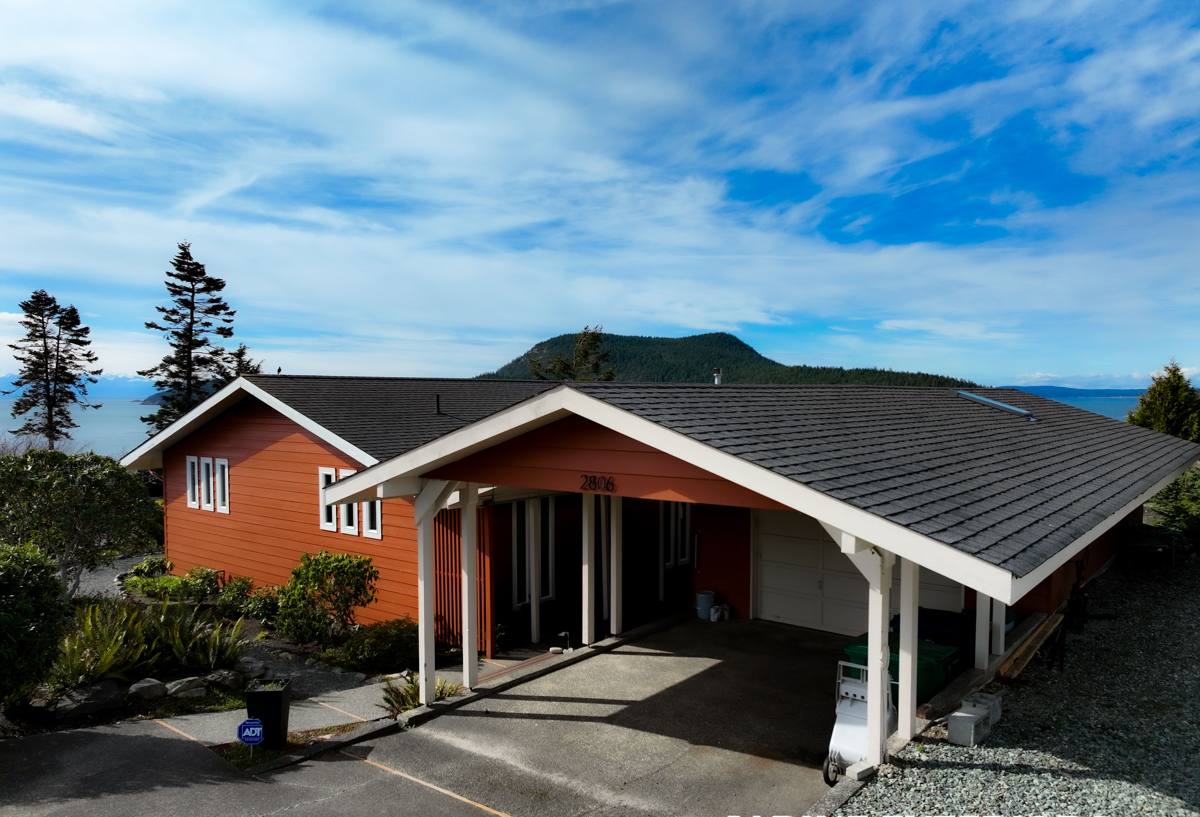
What the Birchwood Climate Does to a House
Salt Air and Metal Fatigue
Homes closer to the water deal with a slow, steady corrosion problem that inland properties simply don't face. Salt-laden air accelerates rust on exposed fasteners, flashing, and lower-grade trim metal. It's rarely dramatic — nobody's roof fails overnight from salt air — but over ten or fifteen years, corrosion-prone fasteners and thin flashing show their age faster here than they would in, say, Sumas or Deming.
Driving Rain and Wind-Driven Moisture
Bellingham's winter storms don't always fall straight down. When wind pushes rain sideways against a wall, water finds every gap in siding laps, window flashing, and trim joints that would stay dry in a calmer rain event. This is less about total rainfall and more about wind-driven intrusion — the kind of moisture that gets behind cladding rather than running off the face of it.
Moss, Shade, and Standing Moisture
Birchwood's tree cover and lot layouts mean plenty of roofs and north-facing siding stay shaded and damp for long stretches. Moss doesn't just look bad — it holds moisture against roofing and siding surfaces, works into seams, and accelerates decay in anything that isn't built to shed water cleanly. A roof or wall section that gets three hours of sun a day ages very differently than one that gets full afternoon sun.
Siding: Why We Only Install James Hardie
We install James Hardie fiber cement siding exclusively. We don't install vinyl, LP SmartSide, Cemplank, Allura, primed spruce, or cedar, and we think Birchwood homeowners deserve an honest explanation of why, not just a sales pitch for what we do sell.
The Trade-Offs We Wanted to Avoid
- Vinyl siding is affordable and low-maintenance in mild climates, but it can warp or become brittle over time, and it doesn't hold up the same way against sustained wind-driven rain and salt exposure at the seams and J-channels.
- LP SmartSide and other engineered wood products perform reasonably well when installation and caulking are perfect and stay perfect for the life of the product — but any lapse in maintenance, especially at cut edges and butt joints, opens the door to moisture absorption and swelling in a climate this consistently wet.
- Cedar and primed spruce look beautiful and are genuinely traditional in the Pacific Northwest, but they demand a repainting and recaulking schedule that most homeowners underestimate, and moss/mildew growth on shaded elevations is a constant maintenance fight.
- Cemplank and Allura are other fiber cement manufacturers, and fiber cement as a category is the right call for this climate — we simply standardized on Hardie's specific product engineering, factory finish process, and warranty structure after years of installs.
Why James Hardie
Hardie's fiber cement is non-combustible, doesn't absorb moisture the way wood-based products do, and its ColorPlus factory finish is baked on under controlled conditions rather than field-painted, which matters a lot when your siding is going to face salt air and repeated wet-dry cycles for decades. Hardie also engineers specific product lines (HZ5 for this climate zone) for exactly the freeze-thaw and moisture conditions we get in Whatcom County, and backs the product with a strong transferable warranty when it's installed to their spec — which is the other half of the equation. A great product installed poorly still fails. That's why our crews are trained specifically on Hardie's fastening, clearance, and flashing requirements, not general siding installation.
Roofing for Birchwood's Shade and Moss Conditions
Roofing work here is as much about moisture management as it is about the roofing material itself. We look closely at ventilation, underlayment quality, and flashing details around valleys, chimneys, and skylights, because those are the spots where wind-driven rain and moss-retained moisture do the most damage over time. On heavily shaded roof sections, we talk with homeowners honestly about moss prevention options — including zinc or copper strips and realistic cleaning schedules — rather than pretending any roofing material is maintenance-free under a tree canopy.
Common Roofing Issues We See in Birchwood
- Moss buildup lifting shingle edges and holding moisture against the roof deck
- Corroded or undersized flashing around valleys and penetrations
- Gutter systems overwhelmed by needle and leaf debris from surrounding trees
- Granule loss on older shingles accelerated by repeated wet-dry cycling
Windows: Sealing Out Wind-Driven Rain
Window failures in this neighborhood are rarely about the glass itself — they're almost always about flashing and sealant. When rain is being pushed sideways by wind, a window that's flashed correctly sheds that water down and out, while a window with a gap in the flashing or a failed sealant bead lets water track behind the trim and into the wall cavity. We treat window flashing as a system that has to integrate with whatever siding is around it, not a separate trade that happens to sit next to the siding.
Decks: Built for Wet-Dry Cycling
Decks in Birchwood take a beating from the same moisture cycle that affects roofs and siding — extended damp periods followed by short dry spells, often with reduced sun exposure depending on the lot's tree cover. We build and repair decks with attention to proper drainage under the decking boards, ledger board flashing (a common rot point on older decks), and fastener choices that resist corrosion in a coastal-influenced climate.
Cost Factors for Exterior Work in Birchwood
Every home is different, but these are the factors that most affect scope and cost on exterior projects in this area:
| Factor | Why It Matters Here |
|---|---|
| Existing moisture damage | Hidden rot behind siding or at window flashing often isn't visible until removal begins, which can add scope |
| Tree cover and shade | Heavier moss and slower drying times can mean more prep work and different material choices on shaded elevations |
| Home age and original construction | Older flashing details and fastener types are more likely to need full correction, not just replacement in kind |
| Access and lot layout | Slopes, fencing, and tight side yards affect equipment access and labor time |
| Scope bundling | Combining siding, roofing, window, or deck work in one project can reduce redundant setup and access costs |
Why a Local Crew Matters
A contractor who works Whatcom County regularly knows which elevations in a neighborhood like Birchwood tend to hold moss, which older homes commonly have undersized flashing, and how local permitting and inspection processes actually run. That's different from a crew that treats every job as a generic weather scenario. We're not guessing at how this climate behaves — we're accounting for it in the products we choose, the flashing details we prioritize, and the maintenance advice we give homeowners after the work is done.
What to Look for When Vetting an Exterior Contractor
- Proper licensing and insurance, verifiable through Washington's L&I contractor lookup
- A written scope of work that specifies materials, fastening methods, and flashing details — not just "replace siding"
- Manufacturer training or certification for the specific products being installed
- A clear, honest answer when you ask why they recommend one product over another
- References or past work you can actually see, not just marketing photos
- A warranty that's explained in plain language, including what voids it
Getting Started
If you're noticing moss buildup, soft spots on your siding, drafts around older windows, or a deck that's starting to feel spongy, it's worth having someone look before those small issues turn into structural repairs. We offer free, no-pressure estimates for Birchwood homeowners — use the form below to get a straightforward assessment of your home's exterior and honest recommendations for what it actually needs.