 Bellingham Exterior
 Windows Built for Barkley's Weather, Not Just Its Views
Barkley sits in a part of Bellingham that gets the full range of what Whatcom County weather has to offer: wind off the water carrying salt-laden air, long stretches of driving rain in the fall and winter, and the low, damp gray that keeps moss growing on anything that holds moisture for more than a day or two. Windows in this neighborhood aren't just a comfort or curb-appeal item — they're one of the main lines of defense against water intrusion, and they take more abuse here than they would in a drier inland climate.
When we install windows in Barkley, we're not just setting a new unit into an old opening and caulking the edges. We're thinking about how wind-driven rain behaves against this specific exposure, how the wall assembly behind the window sheds or traps moisture, and how the window will perform in year fifteen, not just on install day.
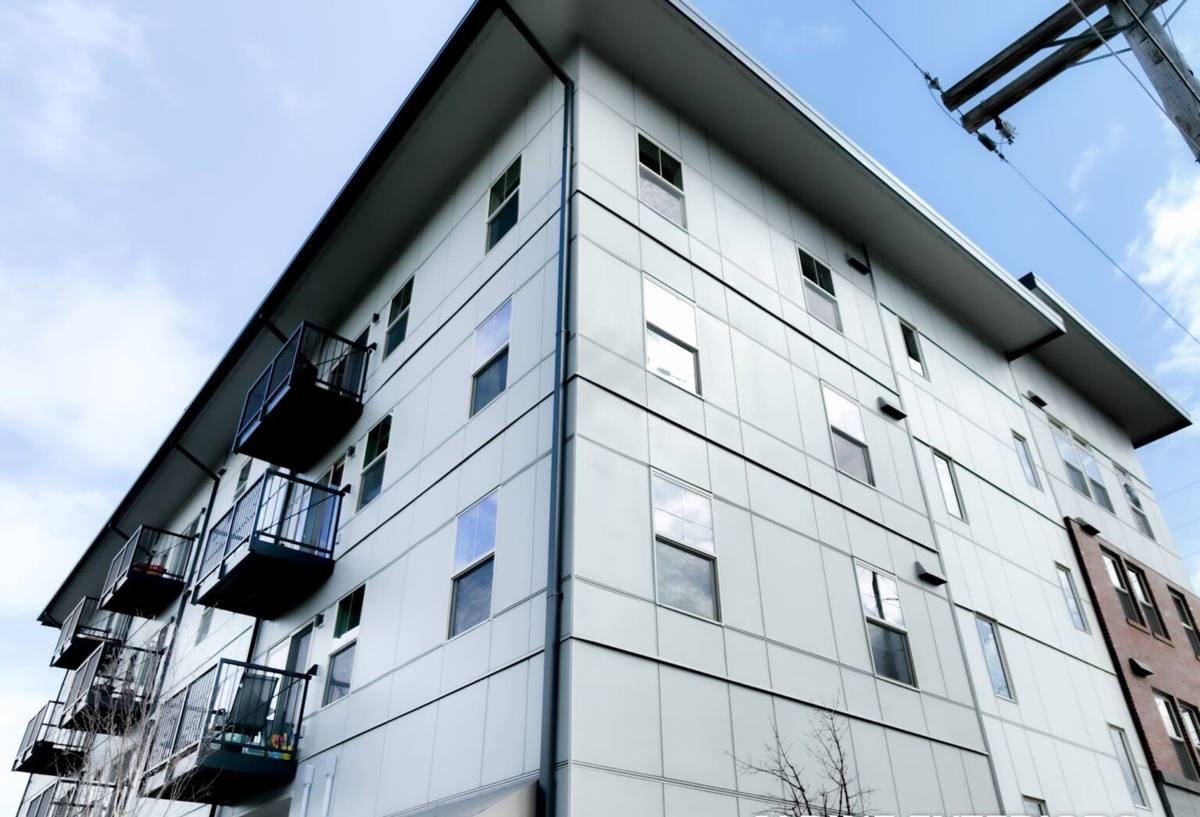
What Bellingham's Climate Does to Windows Over Time
A few things happen to windows in this area that homeowners in drier climates rarely deal with:
- Salt air corrosion: Proximity to Bellingham Bay means metal hardware, aluminum frames, and even fasteners can corrode faster than manufacturer specs assume if the wrong materials are used.
- Wind-driven rain intrusion: Rain here doesn't just fall — it's pushed sideways against west- and south-facing walls, which puts real pressure on flashing and sealant details that a calm-weather install might skip.
- Moss and organic growth: Constant dampness lets moss and algae colonize sills, trim, and any horizontal surface that doesn't drain well, which traps moisture against wood and accelerates rot.
- Condensation cycling: Cool, humid air combined with temperature swings between day and night causes condensation on glass and frames, which over years can find its way into poorly sealed joints.
None of this means windows fail quickly here — it means the margin for error in the installation is smaller. A window that would perform fine for twenty years in a mild, dry climate can develop leaks or rot damage in half that time in Barkley if the flashing and drainage details weren't done right the first time.
Signs a Barkley Home Needs New Windows
Homeowners usually come to us for one of a few reasons:
Performance issues
Drafts around the sash, condensation building up between panes (a sign the seal has failed on a double- or triple-pane unit), or windows that are difficult to open and close because the frame has swollen or warped.
Visible water damage
Soft or discolored trim, peeling paint below a window, or staining on interior sills and walls near a window opening. This is often the clearest sign that the original flashing or sealant has failed and water is getting behind the siding.
Rising energy bills
Older single-pane or early-generation double-pane windows lose heat fast, and in a climate where the heat runs a good chunk of the year, that adds up.
Age
Vinyl and aluminum windows from past decades often used lower-grade seals and hardware than what's standard today. If your windows are original to a home built in the 1980s or 90s, it's worth an inspection even if nothing looks obviously wrong yet.
What a Correct Window Installation Actually Involves
The window unit itself is only part of the job. Most window failures we're called to repair in this area trace back to installation details, not product defects. A proper installation includes:
- Removing and inspecting the opening for rot, soft framing, or existing moisture damage before anything new goes in.
- Correct flashing sequence — sill pan flashing, side flashing, and head flashing installed in the right shingle-lap order so water is directed out and down, never trapped behind the window.
- A weather-resistant barrier tie-in that integrates the window flashing with the home's existing house wrap or building paper, rather than just taping over gaps.
- Proper shimming and leveling so the sash operates smoothly and the frame isn't under stress that will fatigue seals prematurely.
- Insulating the gap between the window frame and rough opening with a low-expansion foam or backer rod, not just packed with fiberglass that can settle and leave voids.
- Exterior sealant appropriate for the siding material and sized correctly — too little sealant fails to seal, too much can trap moisture against the frame.
Skipping or rushing any one of these steps is usually invisible on install day and only shows up as a leak, rot, or drafts two, five, or ten years later.
Our Process for a Barkley Window Installation
1. On-site assessment
We look at the existing windows, the condition of the surrounding wall and trim, and the specific exposure of each elevation of your home. A north-facing window and a wind-exposed west-facing window in the same house often need different attention.
2. Product selection
We walk through frame material, glass package, and style options based on your home's age, siding type, and budget — not a one-size-fits-all recommendation.
3. Removal and opening prep
Old windows come out carefully to protect interior and exterior finishes. Any rot or damage found in the rough opening is addressed before the new window goes in — installing a new window into a compromised opening just hides a problem instead of fixing it.
4. Installation with full flashing and sealing details
This is where the climate-specific work happens: sill pans, properly lapped flashing, weather barrier integration, and sealant matched to your siding.
5. Interior and exterior finish work
Trim, caulking, and touch-up so the finished window looks right from both inside and outside.
6. Final walkthrough
We check operation, seals, and answer questions about care before we consider the job done.
Comparing Window Frame Materials for This Climate
| Material | How It Handles Salt Air & Rain | Maintenance | Typical Lifespan |
|---|---|---|---|
| Vinyl | Good resistance to corrosion and moisture; won't rot | Low — occasional cleaning | 20–30+ years |
| Fiberglass | Excellent stability in temperature and moisture swings; very low expansion/contraction | Low | 30+ years |
| Aluminum | Prone to corrosion in salt air unless marine-grade coatings are used; conducts cold, increasing condensation risk | Moderate — watch for pitting near the coast | Varies widely by coating quality |
| Wood (clad exterior) | Good performance if the exterior cladding and flashing are done correctly; raw wood exposure is a liability in this climate | Higher — exterior cladding reduces but doesn't eliminate upkeep | 20–40 years depending on care |
We generally steer Barkley homeowners away from bare aluminum and uncladded wood on exposed elevations, not because those materials are inherently bad, but because our professional standard is to match the material to the exposure — and this climate is unforgiving of frames that trap moisture or corrode at the hardware.
What Affects Window Installation Cost
Every home is different, but the main cost drivers are consistent:
| Factor | Why It Matters |
|---|---|
| Number and size of windows | More surface area and more units mean more material and labor |
| Frame material and glass package | Fiberglass and upgraded low-E, argon-filled glass cost more than standard vinyl and double-pane |
| Condition of the existing opening | Rot repair or reframing adds time and material beyond a straightforward swap |
| Access and elevation | Second-story or hard-to-reach windows take more setup time |
| New construction vs. retrofit | Retrofit installs (working within existing trim) are typically less invasive than full-frame replacements |
We give straightforward, itemized estimates so you know what you're paying for — not a vague lump sum.
A Homeowner's Pre-Installation Checklist
- Ask whether the quote includes full flashing and weather barrier integration, not just the window unit and caulk
- Confirm what happens if rot or damage is found in the wall once old windows are removed
- Ask about warranty coverage on both the product and the labor/installation
- Check that the frame material recommended fits your home's specific exposure to wind and rain
- Get a clear timeline, especially if work is scheduled during Bellingham's wetter months
- Ask how the crew protects your home's interior and landscaping during the work
Why a Crew That Knows Barkley Matters
Bellingham as a whole deals with wet, marine-influenced weather, but exposure varies block by block and even wall by wall depending on wind direction, tree cover, and how close a home sits to open air off the bay. A crew that regularly works in Barkley and similar Bellingham neighborhoods has already seen how these specific conditions play out on real homes — which elevations tend to take the worst of the driving rain, which older construction styles in the area are more prone to hidden moisture issues, and what detailing actually holds up here versus what looks fine on install day and fails years later.
That local pattern recognition is worth more than a lower bid from a crew unfamiliar with Whatcom County's particular mix of salt air, rain, and moss. A window installation is only as good as the flashing and sealing details nobody sees after the trim goes back on — and getting those right consistently comes from doing this work, in this climate, over and over.
Maintenance After Installation
Even a correctly installed window benefits from basic upkeep in this climate:
- Rinse pollen, salt residue, and grime off frames and glass a couple of times a year
- Keep sills and tracks clear of debris and moss so water drains freely instead of pooling
- Check exterior caulking annually for cracking or gaps, especially after a hard winter
- Trim back vegetation that keeps windows shaded and damp longer than necessary
If you're weighing new windows for a Barkley home, we're happy to take a look and give you a straightforward, no-pressure estimate — just fill out the form below.