 Bellingham Exterior
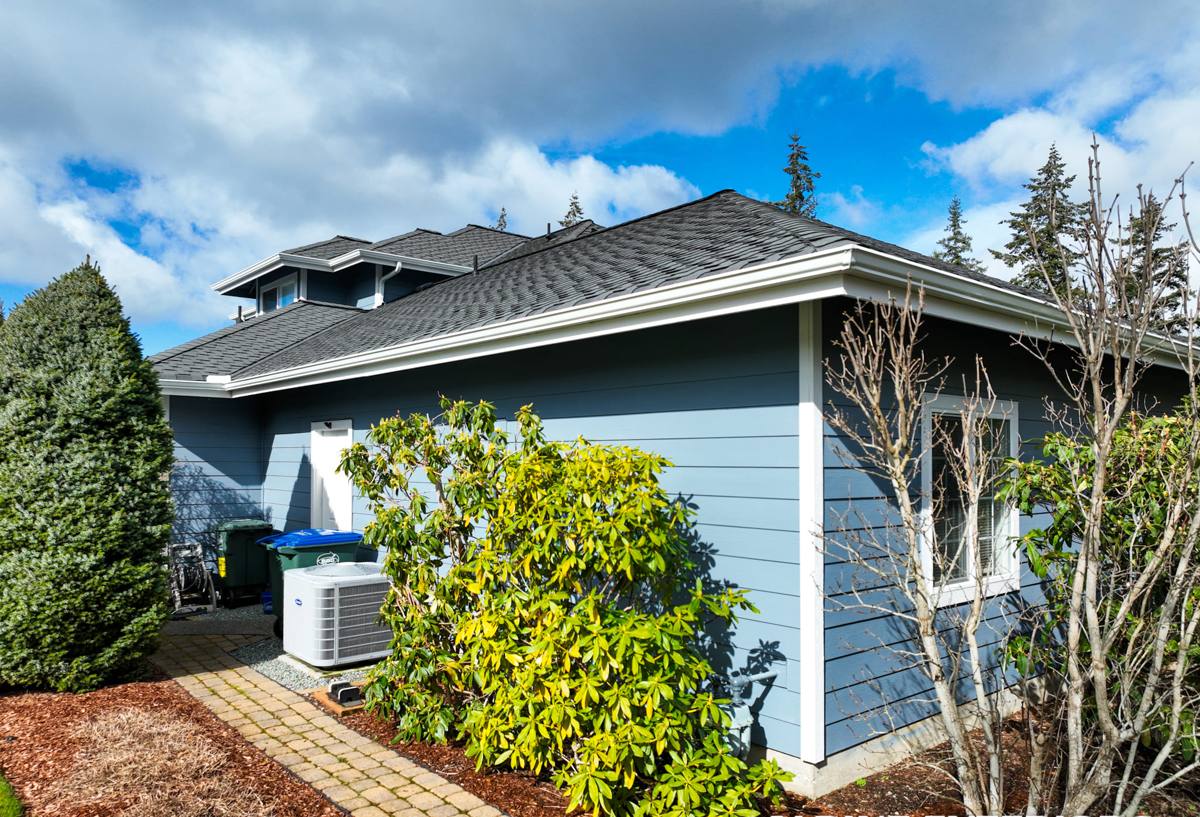
 Roofing in Puget Comes With Its Own Set of Problems
If you own a home in the Puget area of Bellingham, you already know your roof works harder than roofs in drier parts of the state. You're close enough to the water to get salt-laden air rolling in off Bellingham Bay, you're in a part of Whatcom County that sees long stretches of driving, wind-blown rain, and you get a moss season that can run most of the year in shaded, north-facing sections of a roof. None of that is unusual for this corner of the Pacific Northwest, but it does mean a roof replacement here isn't a one-size-fits-all job. The materials, the ventilation, the flashing details, and even the timing of the work all need to account for what this specific microclimate does to a roof over the years.
We've replaced roofs throughout Bellingham and Whatcom County long enough to see the pattern: roofs that fail early in Puget almost never fail because the shingles were bad. They fail because the install didn't account for moisture, airflow, or the constant low-grade beating that salt air and rain give to fasteners, flashing, and underlayment. A correct replacement fixes that from the start.
What Salt Air, Rain, and Moss Actually Do to a Roof
Salt Air and Metal Components
Salt-laden air accelerates corrosion on anything metal — nails, flashing, vent boots, gutter hardware. On a roof that's using standard electro-galvanized fasteners or thin flashing stock, you'll often see rust bleed-through and early flashing failure years before the shingles themselves would normally need replacing. This is one of the most common causes of leaks we find on older Puget-area roofs, and it's almost always preventable with the right fastener and flashing spec at install time.
Driving Rain and Wind-Driven Water
Rain that falls straight down is fairly forgiving. Rain that's being pushed sideways by wind off the water is not — it gets up under shingle edges, around penetrations, and into any gap in the underlayment that a calmer climate might never expose. Roofs here need underlayment and flashing details built for wind-driven water, not just standard vertical rainfall.
Moss and Prolonged Moisture
Shaded roof sections, especially north- and west-facing slopes near trees, stay damp longer here than almost anywhere else in the state. That extended dampness is exactly what moss needs to establish. Once moss takes hold, it lifts shingle edges, holds water against the roof deck, and shortens the life of the roofing material significantly. A roof replacement is the right time to address moss-prone areas properly — not just strip and re-shingle over the same conditions that caused the problem.
What a Correct Roof Replacement Involves in This Area
A roof replacement is more than swapping old shingles for new ones. For Puget-area homes, we treat it as a full system replacement, because every layer affects how well the roof handles this climate.
- Full tear-off: we remove existing roofing down to the deck so we can inspect and repair any damaged sheathing before anything new goes on — covering over a soft or water-damaged deck is how leaks reappear within a year or two.
- Deck inspection and repair: any plywood or OSB showing rot, delamination, or soft spots gets replaced, not patched over.
- Ice-and-water shield in vulnerable areas: valleys, eaves, and roof-to-wall transitions get self-adhering waterproof membrane, not just standard felt, because these are the spots wind-driven rain finds first.
- Synthetic underlayment across the full roof: more resistant to prolonged moisture exposure than old-style felt, which matters given how long roof sections here can stay damp.
- Corrosion-resistant flashing and fasteners: stepped and counter-flashing at walls and chimneys, and fastener types chosen to hold up to salt air rather than the cheapest option available.
- Balanced ventilation: proper intake at the eaves and exhaust at the ridge so moisture from inside the house doesn't get trapped against the underside of the new deck.
- Shingle or material install per manufacturer spec: correct nailing pattern, exposure, and sealing so the warranty is actually valid if you ever need it.
Choosing the Right Roofing Material for Puget Conditions
Most homes in this area do well with a quality architectural asphalt shingle rated for high wind — that rating matters more here than in inland parts of the county, given how exposed some Puget lots are to weather coming off the water. For homeowners wanting more moss resistance and a longer service life, algae-resistant shingles (with copper or zinc granules built in) are worth the modest upcost, since they directly address the moss problem rather than just delaying it.
We don't push metal roofing on every home, and we're upfront about why: standing-seam metal performs very well against rain and wind, but it comes with a higher upfront cost, requires more precise installation to avoid oil-canning and fastener issues, and isn't always the right fit for every roof style or budget. It's a legitimate option we install when it's the right call for the house and the homeowner's goals — not a default recommendation.
Material Comparison for This Climate
| Material | Salt Air Resistance | Moss Resistance | Typical Lifespan Here |
|---|---|---|---|
| Standard architectural shingle | Good, with corrosion-resistant flashing | Moderate — benefits from regular moss treatment | 20-25 years |
| Algae-resistant shingle | Good | Strong — built-in copper/zinc granules | 25-30 years |
| Standing-seam metal | Very good with proper coating | Strong — sheds moisture quickly | 40-50+ years |
| Cedar shake | Fair — needs diligent maintenance | Weak without ongoing treatment | 20-30 years, maintenance-dependent |
Our Process, Start to Finish
1. On-Site Assessment
We walk the roof, check the attic for ventilation and moisture issues, and look at how the specific lot sits relative to wind and shade, since that affects both moss risk and wind exposure. We'll point out anything we find — good or bad — in plain terms.
2. Written Scope and Estimate
You get a clear breakdown of materials, the tear-off and deck-repair plan, flashing and ventilation work, and a firm price range before anything is scheduled. No vague allowances that turn into surprise change orders.
3. Scheduling Around Weather
We plan roof replacements around Whatcom County's weather windows. A roof deck should not sit open and exposed longer than necessary, so we sequence tear-off and dry-in carefully and won't start a full tear-off if the forecast doesn't support finishing the critical steps promptly.
4. The Install
Tear-off, deck repair, underlayment, flashing, ventilation, and final roofing material — each step gets checked before moving to the next, not just at the end.
5. Final Walkthrough
We walk the finished roof and the site cleanup with you, answer questions about warranty coverage, and go over any maintenance recommendations specific to your roof's exposure and shade conditions.
Signs a Puget-Area Roof Needs Replacement, Not Repair
Not every roof problem means a full replacement. But there are signs that point toward replacement being the smarter long-term move rather than continuing to patch:
- Granule loss heavy enough that shingles look bald in multiple areas, not just one spot
- Repeated moss regrowth in the same areas despite cleaning and treatment
- Flashing that's rusted, cracked, or separating at chimneys, walls, or valleys
- Soft spots or sagging visible from the ground or in the attic decking
- Shingles curling, cupping, or losing their seal, especially on wind-exposed slopes
- A roof approaching or past the upper end of its expected lifespan for this climate
- Leaks that keep reappearing in different spots after repairs, suggesting the underlayment has failed broadly rather than in one location
Why It Matters to Hire a Crew That Already Works in Puget
A roofing crew that mostly works drier, inland areas can still do a technically fine install and still hand you a roof that underperforms here, simply because they're not used to specifying for salt exposure, wind-driven rain, and heavy moss pressure as a matter of routine. That's not a knock on their skill — it's just not what they see every day.
Working Puget and the rest of Bellingham regularly means we default to the corrosion-resistant fasteners, the wind-rated shingle assemblies, and the ventilation details that this climate actually calls for, without treating them as upgrades or add-ons. It also means we know how local permitting and inspection typically go, and we're not learning the area's weather patterns on your project.
Maintenance After Your Replacement
A new roof still benefits from some upkeep in this climate, and we'll walk you through what's worth doing:
| Task | Why It Matters Here | Suggested Frequency |
|---|---|---|
| Gutter cleaning | Debris holds moisture against the roof edge and fascia | Twice a year, more under heavy tree cover |
| Moss inspection | Catching regrowth early prevents shingle lifting | Annually, especially shaded slopes |
| Flashing check | Salt air accelerates corrosion at joints and penetrations | Annually |
| Attic ventilation check | Poor airflow traps moisture against the deck | Every 1-2 years |
Let's Take a Look at Your Roof
If you're weighing repair versus replacement, or you just want an honest read on where your roof stands, we're happy to come take a look. We'll give you a straightforward assessment, a clear estimate, and no pressure either way. Use the form below to request a free estimate for your Puget-area home.