 Bellingham Exterior
 Roof Replacement Built for Birchwood's Climate
Birchwood sits close enough to Bellingham Bay and the surrounding wetlands that its homes take a different kind of weathering than roofs further inland. Salt-laden air off the water, long stretches of driving rain through fall and winter, and a moss season that can run eight months or more all put real wear on a roof system. A replacement done right here isn't just about swapping old shingles for new ones — it's about choosing materials and details that hold up to this specific mix of conditions year after year.
We've replaced roofs across Bellingham and Whatcom County long enough to know which shortcuts show up as leaks two winters later, and which details actually matter for a neighborhood like Birchwood. This page walks through what that looks like in practice.
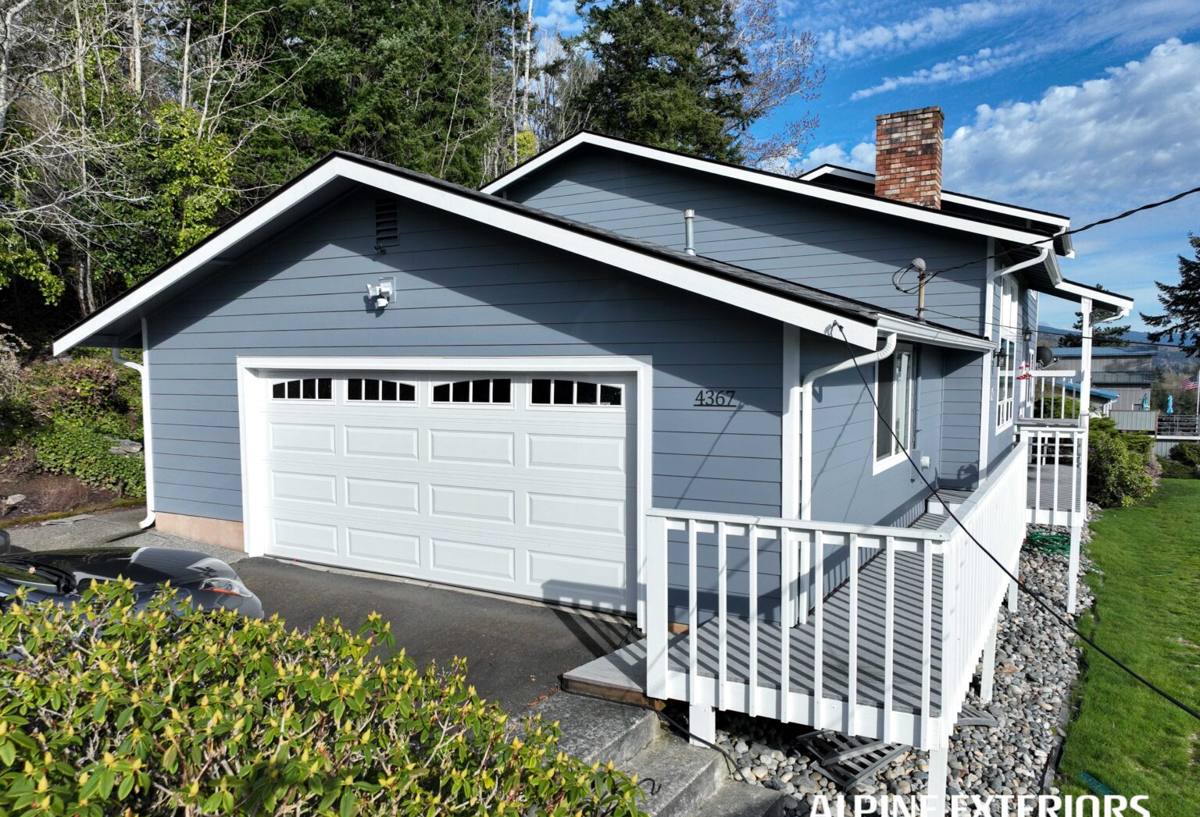
What Birchwood's Climate Does to a Roof
Salt Air and Metal Fatigue
Homes closer to the bay see accelerated corrosion on exposed metal — flashing, fasteners, vent caps, and gutter hardware all age faster near salt air than they would ten or fifteen miles inland. Standard galvanized fasteners can start showing rust streaks within a few years in exposed spots. This is a material selection issue as much as anything: the right coatings and metal grades on flashing and fasteners cost a little more up front and save a homeowner a callback down the road.
Driving Rain and Wind-Driven Water
Whatcom County storms don't always come straight down. Wind off the water pushes rain sideways into roof valleys, up under shingle tabs, and against wall-roof intersections. A roof that would perform fine somewhere drier can leak here if the underlayment, valley flashing, and step flashing aren't installed with that wind-driven pattern in mind. This is one of the most common failure points we find on older Birchwood roofs during inspections.
Moss, Shade, and Moisture Retention
Birchwood's tree cover is part of what makes the neighborhood pleasant to live in, but shaded, moisture-retaining roof surfaces are exactly what moss needs to establish. Moss isn't just cosmetic — as it grows, it holds water against the roofing material, lifts shingle edges, and can work its way under tabs and around fasteners over time. A roof replacement is the right moment to address moss-prone areas properly, rather than continuing to scrape and treat a roof that's already past its useful life.
Signs a Birchwood Roof Needs Replacing, Not Patching
Not every roof problem calls for a full replacement. But there's a point where repeated patching stops making financial sense and starts masking a bigger issue. Signs we look for during an inspection include:
- Granule loss heavy enough to see bare asphalt on shingles, especially on south and west-facing slopes
- Soft or spongy decking felt underfoot, indicating moisture has reached the sheathing
- Persistent moss or algae staining that returns within a season of cleaning
- Curling, cupping, or cracked shingles across multiple areas of the roof, not just one spot
- Daylight visible through the attic roof deck, or water staining on attic framing
- A roof nearing or past the manufacturer's expected service life for its material and local exposure
- Repeated leaks around the same penetration or valley despite prior repairs
If a roof is showing two or more of these, replacement is usually the more cost-effective path over a five-to-ten-year horizon than continued repair.
What a Correct Roof Replacement Involves Here
Tear-Off and Deck Inspection
We remove existing roofing down to the deck rather than layering over old material. This lets us actually see the condition of the sheathing — a step that matters more here than in drier climates, since moisture intrusion can go undetected under old shingles for years. Any soft, delaminated, or rotted decking gets replaced before anything new goes down; installing new roofing over compromised decking just sets up the next failure.
Underlayment Suited to Wet Climates
We use synthetic or self-adhered underlayment products chosen for their performance under sustained wet conditions, not just minimum code compliance. In valleys, around chimneys, and along eaves where ice and wind-driven rain are most likely, we use self-adhered membrane rather than standard felt, because it seals around fastener penetrations instead of just shedding water over them.
Flashing Details
Flashing is where most roof leaks actually originate, not the field of the roof itself. Step flashing at wall intersections, counter-flashing at chimneys, and valley flashing all get installed as separate, properly lapped pieces — not caulked-over shortcuts. Given the salt air exposure in Birchwood, we favor corrosion-resistant metal for these components.
Ventilation
A roof replacement is also the right time to correct poor attic ventilation, which contributes to both moss growth (by keeping the roof deck cooler and damper) and premature shingle aging (by trapping heat and humidity in summer). Balanced intake and exhaust ventilation is part of how we scope every replacement, not an upsell added later.
Material Selection
Most Birchwood homes are well served by a quality architectural asphalt shingle rated for high wind, paired with the underlayment and flashing details above. For homes wanting a longer service interval or better moss resistance, metal roofing is a solid option, provided the fastener and flashing hardware is matched for coastal exposure. We'll walk through the honest tradeoffs for your specific roof rather than pushing one product line.
Comparing Roofing Options for a Coastal, Moss-Prone Property
| Factor | Architectural Asphalt Shingle | Metal Roofing |
|---|---|---|
| Typical service life | 25–30 years, climate-dependent | 40–50+ years |
| Moss resistance | Moderate; benefits from good ventilation and periodic cleaning | High; smooth surface sheds moisture and resists moss establishment |
| Upfront cost | Lower | Higher |
| Wind performance | Good with proper fastening and high-wind rated products | Excellent when properly installed |
| Maintenance | Periodic moss/debris removal recommended | Lower ongoing maintenance |
| Salt air considerations | Standard fasteners should be corrosion-resistant grade | Panel and fastener metal grade matters more; must be specified correctly |
Neither option is universally "better" — it depends on how long you plan to own the home, your budget, and how much ongoing maintenance you want to take on. We'll give you a straight assessment for your specific roof rather than steering you toward the higher-margin option.
Our Process for a Birchwood Roof Replacement
- On-site inspection. We walk the roof and attic, check decking condition, ventilation, and existing flashing details, and note any moss or moisture patterns specific to the property's shade and exposure.
- Written estimate. You get a clear scope of work and pricing before anything is scheduled — no vague allowances or surprise line items added mid-project.
- Material selection. We go over shingle or metal options suited to the home's exposure and your budget, including the reasoning behind flashing and underlayment upgrades where they apply.
- Tear-off and deck repair. Old roofing comes off, decking is inspected and repaired as needed, and any surprises are communicated before we proceed.
- Installation. Underlayment, flashing, ventilation components, and roofing material are installed to manufacturer specification and the wind/moisture details this climate calls for.
- Final walkthrough. We review the completed roof with you, cover care and maintenance basics, and make sure any warranty paperwork is in order.
Why a Local Crew Matters for This Job
Roofing crews that mainly work drier or more inland markets sometimes underspec underlayment and flashing details because those shortcuts don't fail as fast somewhere with less wind-driven rain. In Birchwood, they fail faster — and often in ways that aren't obvious until water shows up on an interior ceiling. A crew that already works Whatcom County roofs regularly knows which valleys, walls, and penetrations need the extra attention, because we've seen what happens when they don't get it.
Local experience also means faster response for warranty questions, storm damage checks, or a moss-related concern that shows up a couple of seasons after installation. We're not driving in from out of the area to handle a callback — we're already working in Bellingham neighborhoods on a regular basis.
Permits, Timing, and What to Expect
Roof replacements in the City of Bellingham typically require a permit, which we handle as part of the project so you don't have to navigate that process yourself. Timing-wise, we generally recommend scheduling replacements outside the heaviest stretch of winter storms when possible, though tear-offs are managed in stages with weather protection to limit exposure of the open deck regardless of season. A typical residential roof replacement takes a few days from tear-off to final cleanup, depending on size, complexity, and weather.
Get a Free, No-Pressure Estimate
If your Birchwood home's roof is showing its age, or you just want an honest read on how much life it has left, we're glad to come take a look. The estimate is free, there's no pressure to commit on the spot, and you'll get a clear explanation of what we find and what your options actually are. Fill out the form below to get started.