 Bellingham Exterior
 Building Decks for a Neighborhood That Doesn't Dry Out Easily
Silver Beach sits in one of the more shaded, moisture-retentive pockets of the Bellingham area. Mature tree canopy, proximity to Lake Whatcom, and lots that often slope toward the water all add up to conditions that are harder on outdoor structures than a typical open, sunny yard. A deck built here doesn't just need to look good on installation day — it needs to handle standing moisture, filtered sunlight that never fully dries the boards, and the kind of driving rain that Whatcom County sees for months at a stretch.
We've built and repaired decks throughout this neighborhood long enough to know the difference between a deck that's designed for these specific conditions and one that's simply installed here. The two don't age the same way. This page covers what a deck in Silver Beach actually needs, how we approach the build, and what to expect if you're planning a new deck or replacing one that's past its prime.
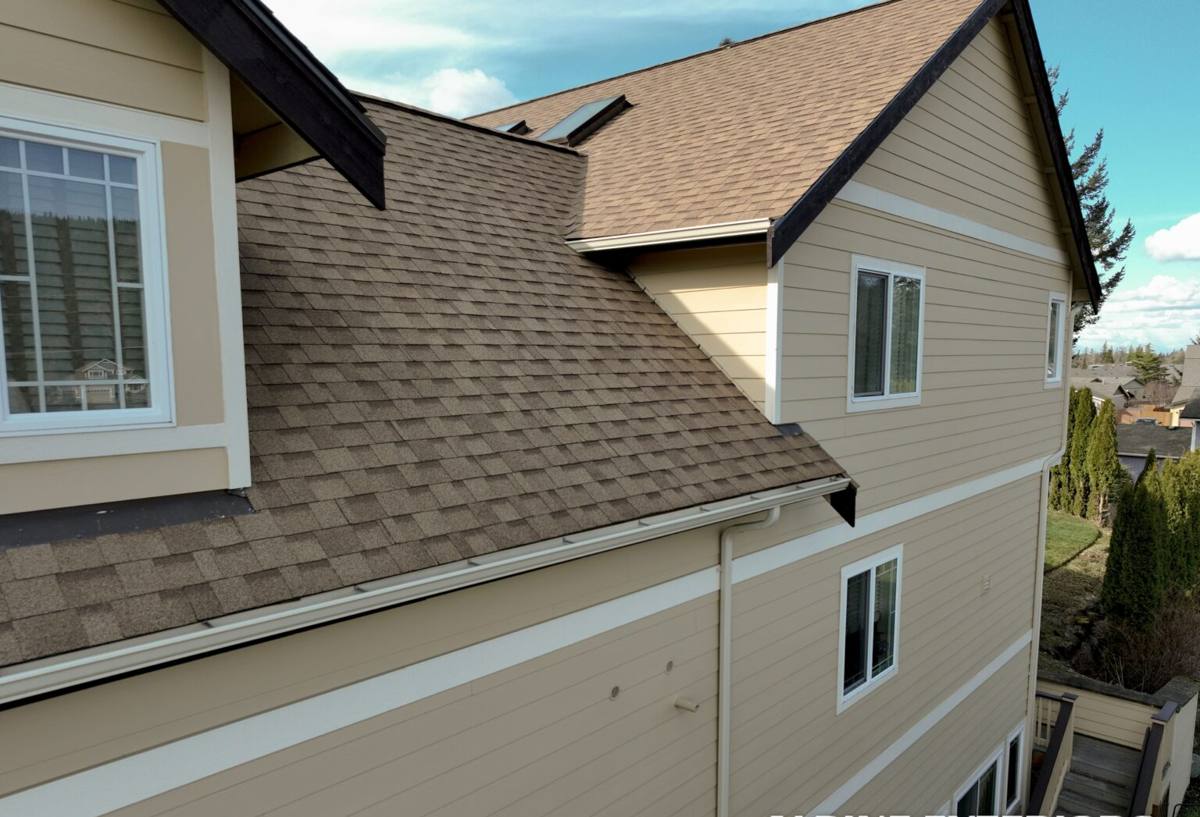
What Makes Silver Beach Different From a Typical Bellingham Yard
Every deck in Whatcom County deals with a long wet season and a real moss problem. Silver Beach adds a few conditions on top of that:
Shade That Never Fully Lifts
Heavy tree cover keeps a lot of Silver Beach lots shaded most of the day, especially closer to the lake. Shade is nice to sit under, but it also means boards stay damp longer after every rain, moss and algae get a head start, and any wood surface that isn't properly ventilated underneath will hold moisture against the framing far longer than an open, sun-exposed deck would.
Sloped, Lakeside Lots
A lot of homes here are built on grades that fall away toward the water. That changes how a deck gets supported — footing depth, post height, and bracing all have to account for slope, soil conditions, and in some cases proximity to the lake's setback requirements. A deck design that works fine on a flat lot elsewhere in Bellingham may need real engineering adjustments here.
Persistent Ground and Air Moisture
Between the lake, the tree cover, and the region's driving rain, the air and soil around Silver Beach homes rarely dry out completely for long stretches of the year. That moisture works its way into end grain, fastener holes, and any spot where two pieces of decking meet — which is exactly where rot and mildew start if the materials and installation details aren't right.
What a Correctly Built Deck Needs to Get Right Here
None of this is exotic — it's the fundamentals, done with this specific climate in mind instead of skipped or assumed.
- Ventilation underneath. Enough clearance and airflow below the deck surface so moisture doesn't just sit against the joists.
- Proper board spacing. Gaps sized to let water drain and boards dry between rain events, not packed tight for a slightly cleaner look on day one.
- Flashing where the deck meets the house. This is the single most common failure point we see on older decks — water working behind the ledger board and rotting the rim joist or even the wall framing behind it.
- Corrosion-resistant hardware. Fasteners and connectors rated for ground contact and sustained moisture exposure, not standard hardware that starts rusting and staining the wood within a couple seasons.
- Footings sized for the actual soil and slope. Not a one-size guess, especially on grades common near the lake.
Choosing Decking Material for a Shaded, Wet Lot
Material choice matters more in Silver Beach than it does on a sunny, open lot. Here's how the common options actually perform under heavy shade and sustained moisture:
| Material | Moss & Moisture Behavior | Maintenance | Typical Lifespan |
|---|---|---|---|
| Pressure-treated wood | Absorbs moisture readily; needs airflow and regular sealing to resist rot and moss growth | Annual cleaning, periodic staining/sealing | Shorter in shaded, wet spots without upkeep |
| Cedar | Naturally rot-resistant but still needs finish maintenance in constant shade | Regular cleaning and refinishing to keep its resistance intact | Solid, but shortened without upkeep in shade |
| Capped composite | Sheds water well; moss and algae can still grow on the surface but don't penetrate the board | Occasional washing to remove surface growth | Long, consistent across sun or shade |
| Uncapped composite | More prone to surface staining and moisture absorption at cut edges over time | More frequent cleaning than capped composite | Moderate to long, edge sealing matters |
We don't push one material on every job. A shaded, near-lake lot with heavy leaf and needle drop is a strong argument for capped composite because the surface sheds moisture and doesn't feed moss the way bare wood does. But plenty of homeowners want the look and feel of real wood, and that's a legitimate choice too — it just means being honest up front about the cleaning and refinishing schedule needed to keep it performing in this environment.
Framing, Footings, and the Structure You Won't See
The visible decking gets all the attention, but the framing underneath is what determines whether a deck lasts fifteen years or thirty. On Silver Beach's sloped and often damp lots, this is where corners get cut on lower-quality builds and where we spend the most care:
- Post footings set below frost depth and sized for the actual load and soil conditions on site, not a generic minimum.
- Ledger attachment flashed correctly against the house so water can't migrate behind it into the wall structure.
- Joist spacing and beam sizing matched to the decking material chosen — composite and wood have different span requirements.
- Hardware rated for ground contact and long-term moisture exposure throughout, not just at visible connection points.
On a sloped lot near the lake, we also pay close attention to how the deck's substructure handles runoff — directing water away from the house foundation and any retaining structures rather than letting it pool near the footings.
Railings, Stairs, and Code Requirements
Most Silver Beach decks, given the terrain, end up elevated enough to require railings and often a run of stairs — which means both structural and code considerations come into play. Railing height, baluster spacing, and stair rise/run all have to meet current building code, and on a raised or lakeside deck, guardrail requirements aren't optional details to skip. Depending on the specific property, permitting may go through the City of Bellingham or Whatcom County, and on some lots proximity to the lake can bring additional review. We handle the permit process as part of the job rather than leaving homeowners to sort out which jurisdiction applies.
How We Approach a Deck Project in Silver Beach
1. On-Site Assessment
We walk the lot, note the slope, shade pattern, drainage path, and how close the build is to the lake or any setback lines, and talk through what you actually want to use the deck for.
2. Design and Material Selection
We size the structure to the site conditions and talk through material trade-offs honestly — including maintenance expectations for whichever direction you choose.
3. Permitting
We handle the paperwork with the correct local jurisdiction so the project is built to code from the footings up.
4. Build
Footings, framing, flashing, decking, and railings — installed in that order of priority, because the parts nobody sees are the parts that determine how long the visible deck lasts.
5. Final Walkthrough
We go over the finished deck with you, including what routine maintenance will look like given your specific shade and moisture exposure.
Keeping a Silver Beach Deck Healthy Year-Round
A well-built deck in this neighborhood still needs seasonal attention — the shade and moisture here just make it more important than in a typical Bellingham yard. A few things worth checking before the wet season sets in each year:
- Sweep leaves and debris out of board gaps and off the surface regularly — trapped organic matter is what feeds moss.
- Check for standing water anywhere on the surface after a hard rain; pooling usually means a drainage or slope issue worth addressing.
- Inspect the ledger flashing where the deck meets the house for any signs of staining or softness.
- Look underneath periodically for adequate airflow — vegetation growth or storage can block ventilation over time.
- Wash composite decking to remove surface algae before it builds up; treat and reseal wood decking on schedule.
- Check railing and stair connections for looseness, especially after freeze-thaw swings.
Why It Matters to Hire a Crew That Already Works This Neighborhood
Silver Beach's combination of slope, shade, and lake-adjacent moisture isn't something every contractor accounts for by default. A crew used to building on flat, sun-exposed lots elsewhere in Whatcom County can turn out a deck that looks fine at handoff but starts showing moisture problems within a few seasons because the ventilation, flashing, or material choice wasn't matched to the actual site conditions. Working this neighborhood regularly means we're not guessing at footing depths on a slope, we know what drainage and shade patterns to plan around, and we've seen firsthand how different materials hold up here over time — not just in a showroom or a sales brochure.
If you're planning a new deck or need an honest look at one that's showing its age, we're happy to come out, look at the site, and put together a straightforward estimate — no pressure, no upsell. Use the form below to get started.