 Bellingham Exterior
 Windows Built for Sunnyland's Older Housing Stock
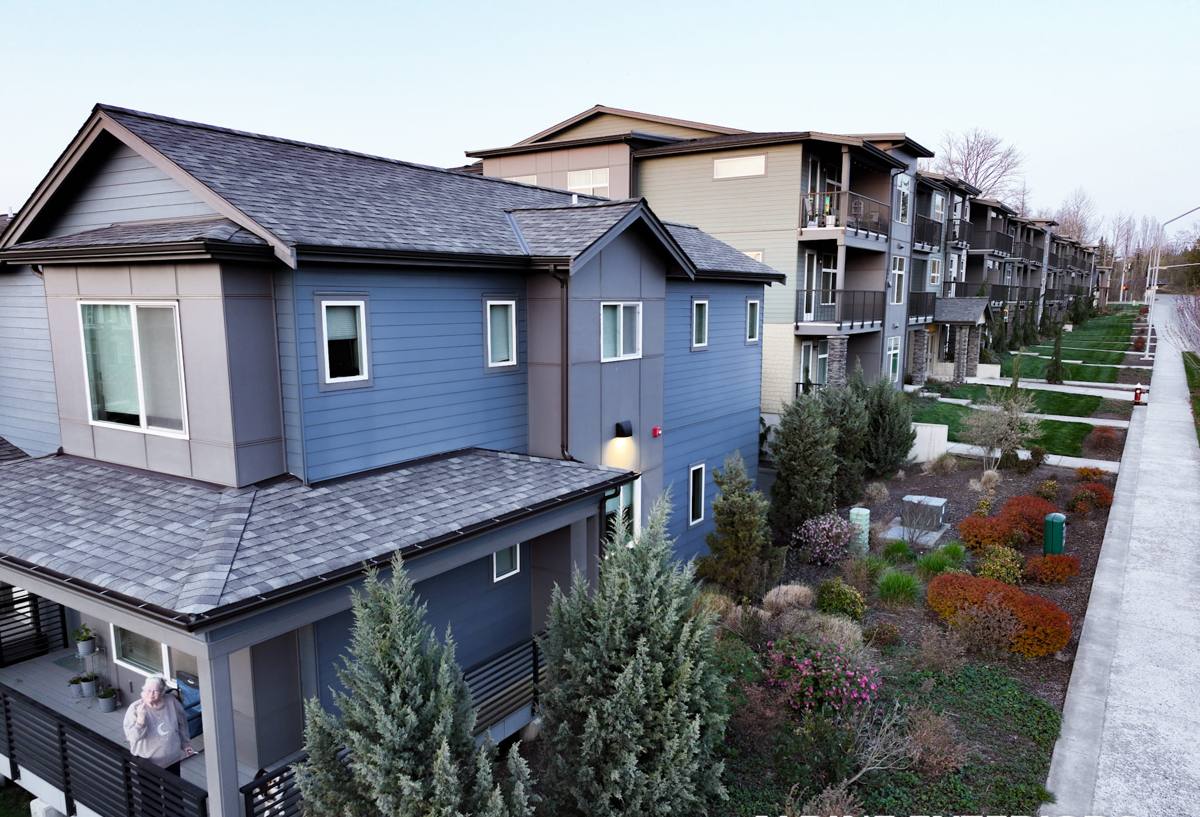
Sunnyland is one of Bellingham's older residential neighborhoods, and that shows up in its windows. A lot of homes here still have their original wood sashes, single-pane glass from a remodel decades back, or a first round of aluminum replacements that were considered an upgrade at the time but do very little for comfort or energy use today. None of that is a knock on the neighborhood — it's just what happens when housing stock ages faster than window technology does.
The challenge is that Whatcom County's climate is not gentle on glass and frames. Long stretches of damp, gray weather, driving rain off the water, and salt-laden air moving inland all add up to steady wear that isn't always obvious from the street. A window can look fine and still be losing heat, letting in moisture, or fogging between panes. Getting this right in Sunnyland means understanding both the age of the housing stock and the climate it's sitting in — not just installing whatever's on sale.
What Bellingham's Climate Actually Does to Windows
Persistent Moisture and Condensation
Bellingham doesn't get extreme storms very often, but it gets sustained dampness for months at a time. That kind of prolonged moisture exposure is harder on window seals and wood components than the occasional heavy downpour. Original wood windows in older Sunnyland homes are especially vulnerable — paint failure, swelling, and slow rot at the sill are common once the factory finish has worn through.
Salt Air and Slow Corrosion
Whatcom County sits close enough to salt water that salt-laden air reaches inland neighborhoods over time, not just waterfront properties. On older aluminum-frame windows, this shows up as pitting, corrosion around hardware, and stiff or broken locks. It's a slower process than storm damage, which is exactly why it often goes unnoticed until a window won't latch properly or won't open at all.
Moss, Algae, and Trapped Moisture
The region's long moss season isn't limited to roofs. Moss and algae growth on window sills, tracks, and exterior trim traps moisture against wood and paint, accelerating rot in spots that don't get much direct sun or airflow — which describes a lot of window placements on older homes with mature landscaping, a common feature in this neighborhood.
Temperature Swings and Comfort
Bellingham winters aren't brutally cold, but the region does swing between chilly, damp days and warmer stretches. Single-pane or poorly sealed windows respond to that by letting conditioned air escape and outside air in, which shows up directly on heating bills and as noticeable drafts near the glass.
Signs a Sunnyland Home Needs New Windows
Most homeowners don't wake up and decide to replace windows out of nowhere — something tips them off first. Here's what we look for, and what you can check yourself:
- Visible fog or moisture between the panes of a double-pane window (a failed seal, not a cleaning problem)
- Soft or spongy wood at the sill or lower frame corners
- Windows that are difficult to open, close, or lock, especially older aluminum frames
- Noticeable drafts near the glass edge on a cold or windy day
- Condensation forming on the inside of the glass regularly during winter months
- Visible daylight or gaps around the frame when the window is closed
- Paint peeling or cracking specifically at the window frame, not the surrounding siding
- A heating bill that feels high relative to the size of the home
One or two of these signs might just mean a repair or re-caulk. Several together, especially on original wood or first-generation aluminum windows, usually mean it's time to talk about replacement rather than another round of patching.
What "Energy-Efficient" Actually Means in This Climate
Glass Packages
Double-pane glass with a low-E (low-emissivity) coating is the practical baseline for this climate — it cuts heat loss significantly compared to single-pane or older double-pane units without the coating. Triple-pane glass adds another step of performance and is worth discussing for north-facing rooms or homes with unusually high heating costs, but it's a heavier, more expensive unit, and for most Sunnyland homes a well-installed double-pane low-E window delivers the bulk of the benefit at a more reasonable cost. Gas fill (typically argon) between panes adds a modest additional insulating boost and is standard on most quality units now.
Frame Material
Frame choice matters as much as the glass, especially given the moisture and salt-air exposure common here. The table below is a general guide — the right choice depends on your home's style, budget, and how much upkeep you want to take on.
| Frame Material | Moisture/Salt Air Behavior | Maintenance | Typical Fit |
|---|---|---|---|
| Vinyl | Handles damp climates well, won't rot or corrode | Low — no painting needed | Most homes, best value |
| Fiberglass | Excellent — very stable in wet, humid conditions | Low, holds paint well if a custom color is wanted | Higher-end replacements, larger openings |
| Wood (clad exterior) | Good if the exterior cladding is intact; interior wood still needs care | Moderate — exterior low-maintenance, interior may need occasional finish work | Homes preserving an original wood-look interior |
| Aluminum | Prone to corrosion and thermal loss in this climate over time | Low, but performance degrades faster | Not our default recommendation here |
Why We're Selective About Materials
We don't install every product on the market, and that's a deliberate choice rather than a limitation. Bare aluminum frames, for example, conduct heat and cold directly and corrode faster in salt-influenced air, so we steer homeowners away from them for this climate even though they're often the cheapest option up front. It's not that a product is "bad" — it's that some materials require a maintenance commitment or have moisture behavior that doesn't match what a long-term Bellingham homeowner actually wants to deal with.
How We Approach a Window Job in Sunnyland
1. On-Site Assessment
We start by looking at the actual condition of your existing windows and framing — not just counting openings. Older homes often have hidden sill or framing damage that only shows up once trim is removed, and we'd rather flag that upfront than discover it mid-install.
2. Product Selection Based on the Opening, Not a Catalog Default
We match glass package and frame material to the specific window's exposure — a west-facing window that takes direct driving rain gets treated differently than a sheltered side window, even on the same house.
3. Careful Removal
Old windows, especially original wood units, come out carefully to avoid unnecessary damage to surrounding siding or trim, which matters more on older homes where matching materials isn't always straightforward.
4. Proper Flashing and Moisture Barrier Work
This is the step that actually determines whether a new window performs well in this climate long-term. Correct flashing and sealing around the rough opening keeps wind-driven rain from getting behind the window frame — a failure point that has nothing to do with the window itself and everything to do with the installation.
5. Installation and Sealing
Windows are set level and plumb, insulated around the frame, and sealed with exterior-grade sealant rated for sustained moisture exposure, not a general-purpose caulk that will fail within a season or two.
6. Final Check and Cleanup
Every installed window gets operated, checked for square, and inspected for a tight seal before we consider the job done.
What Affects the Cost
Every home is different, so we won't quote a number without seeing the windows in question, but here are the main factors that drive cost up or down:
| Factor | Effect on Cost |
|---|---|
| Frame material (vinyl vs. fiberglass vs. clad wood) | Vinyl is typically the most economical; fiberglass and wood-clad cost more |
| Glass package (double-pane low-E vs. triple-pane) | Triple-pane adds cost but may be worth it for specific rooms |
| Window size and number of openings | Larger and more numerous openings increase both material and labor cost |
| Condition of the existing opening | Rot or framing repair needed behind the old window adds labor |
| Full-frame replacement vs. insert replacement | Full-frame costs more but is often necessary on older, damaged openings |
| Custom shapes or historic-style profiles | Non-standard sizes or matching an older home's original look adds cost |
As a general rule, insert replacements (where the new window fits into the existing frame) cost less than full-frame replacements, but full-frame is often the right call on older Sunnyland homes where the original framing has moisture damage that an insert would simply seal over.
Why Hiring a Crew That Already Works in This Neighborhood Matters
Sunnyland's mix of older homes means a lot of window openings that aren't quite standard sizes, framing that may have settled over decades, and exterior details worth preserving rather than covering up. A crew that's worked this part of Bellingham before knows to expect these things rather than treating every job like new construction. That experience shows up in fewer surprises mid-job, more accurate estimates, and installation work that accounts for how this specific climate — the damp stretches, the driving rain, the salt air moving in off the water — actually treats a window over the years, not just how it performs on a spec sheet.
It also matters for warranty support. A window installed poorly can void a manufacturer's warranty even if the product itself is good, because most warranties specify correct installation as a condition of coverage. Getting the flashing, sealing, and fit right the first time protects both the product warranty and your own investment.
Maintaining New Windows Through Bellingham's Wet Season
New energy-efficient windows still need a little seasonal attention in this climate:
- Clear debris and moss from sills and tracks before the wet season sets in
- Check exterior caulking annually for cracking or gaps
- Wipe down interior glass if condensation appears, and check that room ventilation is adequate
- Operate every window at least a few times a year so hardware and weatherstripping don't stick or seize
- Trim back vegetation that shades windows and keeps moisture trapped against the frame
A little upkeep goes a long way toward getting the full lifespan out of a new window investment in a climate like this one.
If you're weighing whether it's time to replace windows on a Sunnyland home, we're happy to come take a look and walk through what we find — no pressure, no obligation. Use the form below to request a free estimate.