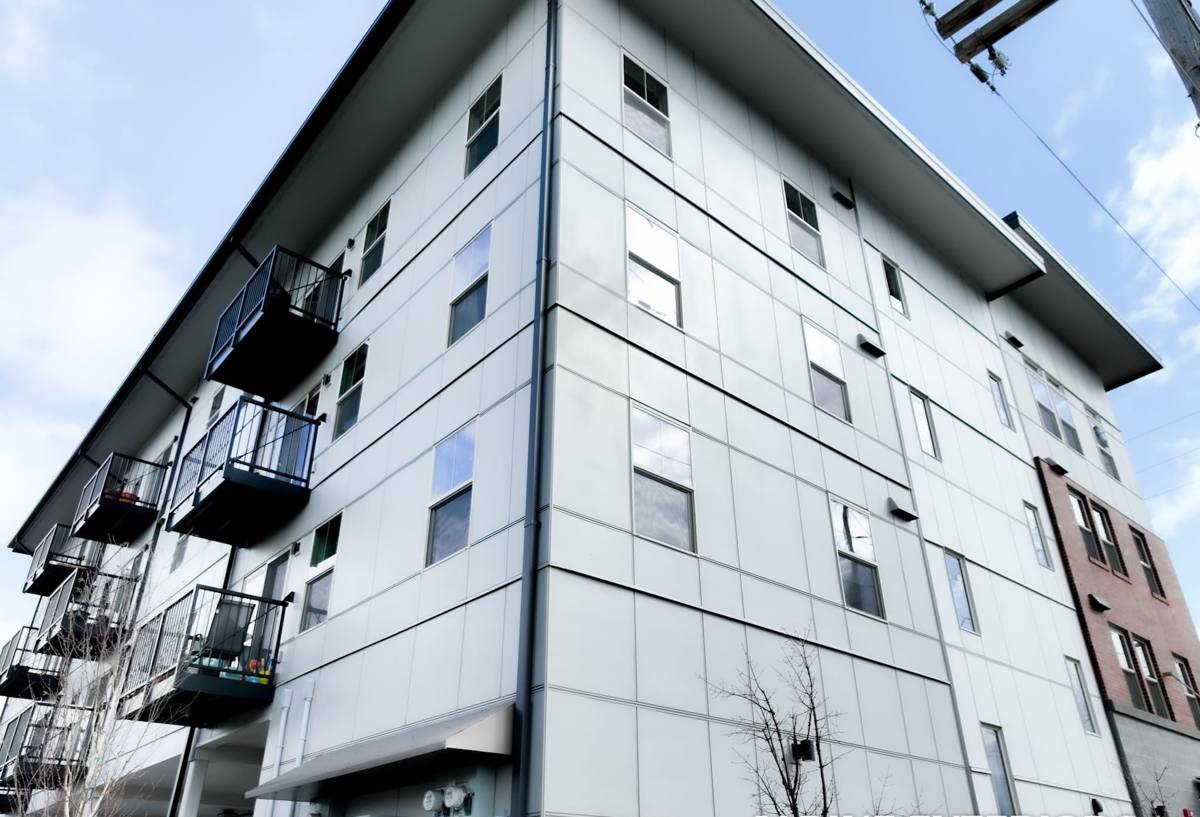
 Bellingham Exterior
 Energy-Efficient Windows in Blaine: What the Climate Changes
Blaine sits at the northern edge of Whatcom County, close enough to Semiahmoo Bay and Drayton Harbor that salt air is part of daily life for most homes in town, not just the ones facing the water. That exposure, combined with the driving rain that comes ashore here with real force, changes what "energy-efficient windows" actually needs to mean for a Blaine house. A window can carry a great efficiency rating on paper and still underperform once it's sitting in this specific mix of salt-laden air, wind-driven rain, and a moss season that runs most of the year.
Efficiency isn't just a glass and frame spec pulled off a label. It's the combination of a properly rated window unit and an installation that keeps that rating intact once the window is exposed to Blaine's weather year-round. A well-rated window with a sloppy seal will leak conditioned air and let moisture track in around the frame, and both of those problems show up on a heating bill just as fast as a genuinely inefficient window would. This page covers what actually drives window performance in this climate, what a correct job looks like, and how our process works for energy-efficient window replacement in Blaine specifically.
What Blaine's Climate Does to Window Performance
Wind-Driven Rain and Air Infiltration
Storms coming off the water in Blaine don't fall straight down — wind pushes rain sideways into wall assemblies and window flashing, and that same wind pressure works air infiltration harder than it would in a calmer, drier climate. A window with a tight, well-engineered frame and correct weatherstripping keeps that wind pressure from turning into drafts. A window with worn seals or a frame that's shifted slightly out of square lets it right in, and the energy loss from that infiltration can outweigh whatever the glass package was rated to save.
Salt Air and Seal Degradation
Homes near the bay and harbor take a steadier dose of salt-laden air than towns set further inland, and that accelerates wear on weatherstripping, hardware, and lower-grade seals faster than a dry climate would. A gas-filled insulated glass unit depends on its edge seal staying intact to keep performing — once that seal starts to break down, the insulating gas leaks out gradually and the window's real-world efficiency drops well before it becomes obviously foggy or drafty.
Temperature Swings, Humidity, and Condensation
Whatcom County's damp winters and the steady temperature gap between a heated interior and a cold, wet exterior put real condensation pressure on window glass and frames. In Blaine specifically, that humidity load runs a little heavier given the constant marine air moving through town. Windows with poor thermal performance show it first as condensation on the interior glass or, worse, fogging trapped between panes — both are signs the window isn't holding the line between inside and outside the way it's supposed to.
A Moss and Mildew Season That Runs Most of the Year
Mild temperatures and near-constant moisture give moss and mildew a long growing season on shaded and north-facing walls in Blaine. Window sills, trim, and the framing around older units are common places it takes hold, and any spot where water sits instead of draining away becomes a growth surface over time. That matters for efficiency too — trim and framing that stay damp longer are more likely to develop the small gaps and soft spots that let air and moisture past the window itself.
What Actually Makes a Window Energy Efficient
U-Factor: The Number That Matters Most Here
U-factor measures how well a window resists heat loss — the lower the number, the better it insulates. In a marine climate like Blaine's, where the bigger cost driver is heat escaping through cold, wet months rather than heat gain during a short, mild summer, U-factor is usually the number worth prioritizing most on the label. We'll walk through what range makes sense for your specific home and orientation rather than quoting a single target number for every window on the house.
Solar Heat Gain Coefficient (SHGC)
SHGC measures how much solar heat passes through the glass. It matters less in Blaine than it would in a sunnier, drier climate, but it's not irrelevant — a south- or west-facing window can still bring in useful passive heat on clear days, so we look at orientation window by window rather than applying one SHGC target across the whole house.
Low-E Coatings and Gas Fills
Low-E coatings are a microscopically thin layer that reflects heat while still letting light through, and they're standard on most quality windows sold today. Combined with an argon or krypton gas fill between panes, a low-E glazing package cuts heat transfer significantly compared to plain glass — and it also tends to reduce interior condensation, which is a common complaint in Whatcom County homes through the wet months.
Frame Material's Role in Thermal Performance
The frame conducts heat too, not just the glass, and frame material affects both thermal performance and how the window holds up to this climate's moisture and salt exposure over time. A high-performance glass package installed in a poorly insulating or poorly sealing frame won't deliver the efficiency the glazing alone suggests, which is why we look at frame and glass as one system rather than shopping for either in isolation.
Frame Materials Compared for Blaine's Climate
| Frame Material | Thermal Performance | Salt Air & Moisture Resistance | Upkeep |
|---|---|---|---|
| Vinyl | Good; multi-chambered profiles insulate well | Strong — won't rot or corrode | Low; occasional cleaning |
| Fiberglass | Very good; dimensionally stable across temperature swings | Strong — holds up well to sustained coastal exposure | Low; can be painted if color changes are wanted later |
| Aluminum | Weaker without a thermal break; conducts heat and cold readily | Vulnerable to corrosion in salt air without proper coatings | Moderate; coatings need monitoring near the water |
| Wood (uncladded) | Good when sound and sealed | Weak against sustained moisture and salt exposure without diligent upkeep | High; regular painting or sealing required |
We generally lead with vinyl and fiberglass for weather-facing Blaine installs, since both resist rot and corrosion without the ongoing maintenance a bay-facing wood or bare aluminum frame demands here. That's not a rule against every other option — a wood-interior window with a clad, protected exterior face can still make sense when the interior look matters to a homeowner, and we'll walk through that trade-off honestly rather than steering everyone toward the same product.
Installation Is Where Efficiency Is Actually Won or Lost
Flashing and Air Sealing
A correctly rated window still depends on the installation to deliver that rating in the real world. Flashing has to lap correctly with the surrounding house wrap and siding so wind-driven rain sheds outward instead of tracking behind the wall. Air sealing around the rough opening — using the right materials, not just a bead of caulk — is what actually stops the drafts that show up as cold spots near the frame on a windy day. Skipping either step is one of the more common reasons a quality window still underperforms once it's installed.
Full-Frame Replacement vs. Insert Replacement
An insert replacement fits a new window into the existing frame and is faster and less invasive, which can be the right call when the existing frame is sound and properly flashed. A full-frame replacement removes the old unit down to the rough opening, which costs more and takes longer but lets us correct flashing or framing issues that an insert would just seal over. On older Blaine homes especially, we check the condition of the existing opening before recommending either approach — an insert installed over a compromised opening just locks a moisture problem in place behind a new window.
Signs a Blaine Home Is Losing Energy Through Its Windows
- Noticeable drafts or cold spots near window frames even when the window is fully closed and latched
- Condensation or fogging on interior glass during cold, wet stretches
- Visible moisture trapped between the panes of a double-pane window, a sign the seal has failed
- Rooms near large or older windows that are harder to keep at a comfortable temperature than the rest of the house
- Rising heating bills without another clear explanation, especially in homes with original or aging windows
- Soft, discolored, or damp trim and sills around window openings
- Visible daylight or gaps where the frame meets the surrounding siding
Our Process
- On-site assessment — we look at each window's frame condition, seal integrity, and how the existing flashing ties into the siding around it
- Honest recommendation — repair, insert replacement, or full-frame replacement, explained window by window rather than as a blanket answer for the whole house
- Product selection — we walk through frame material and glazing package trade-offs for your budget and each window's orientation and exposure
- Removal and opening prep — the old unit comes out carefully, and any hidden framing or moisture issues get addressed before the new window goes in
- Installation, flashing, and air sealing — set, shimmed, flashed, and sealed to hold up to Blaine's wind-driven rain and salt air exposure
- Trim and finish — exterior trim integrated cleanly with the surrounding siding
Cost Factors for Energy-Efficient Window Replacement in Blaine
| Factor | What It Affects | Coastal Climate Consideration |
|---|---|---|
| Frame material | Upfront cost and long-term durability | Vinyl and fiberglass generally outlast bare aluminum or uncladded wood against salt air |
| Glazing package | U-factor, SHGC, and condensation resistance | Lower U-factor is usually worth prioritizing given Blaine's heat-loss-driven climate |
| Insert vs. full-frame | Labor scope and ability to correct the opening | Full-frame lets hidden moisture or flashing issues get fixed instead of sealed over |
| Number and size of windows | Total material and labor cost | Larger or bay-facing units add flashing complexity near the water |
| Existing opening condition | Whether repair work is needed before the new unit goes in | Years of wind-driven rain exposure can hide substrate damage behind older siding and trim |
These are general drivers, not a quote — every Blaine property sits at a slightly different distance from the water and under different tree cover, so we walk the home before putting a real number on the work.
Why a Local Blaine Crew Matters
Manufacturer efficiency ratings are tested under standard lab conditions, not Blaine's actual mix of salt air, wind-driven rain, and a moss season that runs most of the year. A crew that works this specific stretch of Whatcom County regularly has seen which frame materials hold their seals longest this close to Semiahmoo Bay and Drayton Harbor, which flashing details are worth the extra time even when they're not strictly required elsewhere, and how a rated U-factor actually translates once a window has been through a few Blaine winters. That experience shows up in decisions that don't come up in a sales conversation — how much lap a flashing course needs on a wind-exposed wall, or when an insert replacement is genuinely the right call versus when it just hides a bigger problem behind new glass.
We're based in Bellingham and work throughout Whatcom County, and Blaine is regular territory for our crew. That means we're not guessing at what this town's exposure requires on your project — we've installed and serviced enough windows here to know where the real efficiency gains come from and where a sales pitch is overstating what a product alone can deliver.
If your Blaine home has drafty, foggy, or aging windows, or you're planning ahead for a full replacement and want an honest read on what actually makes sense for your home's exposure, we're glad to take a look. Reach out using the form below for a free, no-pressure estimate.