 Bellingham Exterior
 Why Cordata Roofs Wear Differently
Cordata sits in north Bellingham, close enough to Bellingham Bay and the Strait of Georgia that salt-laden air is a constant factor in how roofing materials age here. Add Whatcom County's long, wet shoulder seasons and the moss growth that comes with them, and you get a roofing climate that's tougher on shingles, flashing, and fasteners than drier parts of the state. A roof repair here isn't just patching a leak — it's addressing the combination of moisture, organic growth, and salt exposure that caused the problem in the first place.
Cordata has a mix of housing stock, from older single-family homes to newer construction built as the neighborhood has grown. Older roofs often have decades of moss cycles and past patch jobs layered on top of each other. Newer roofs can still develop problems fast if ventilation or flashing details weren't done right the first time. Either way, the fix has to account for the specific way this climate attacks a roof, not just the symptom sitting in front of you.
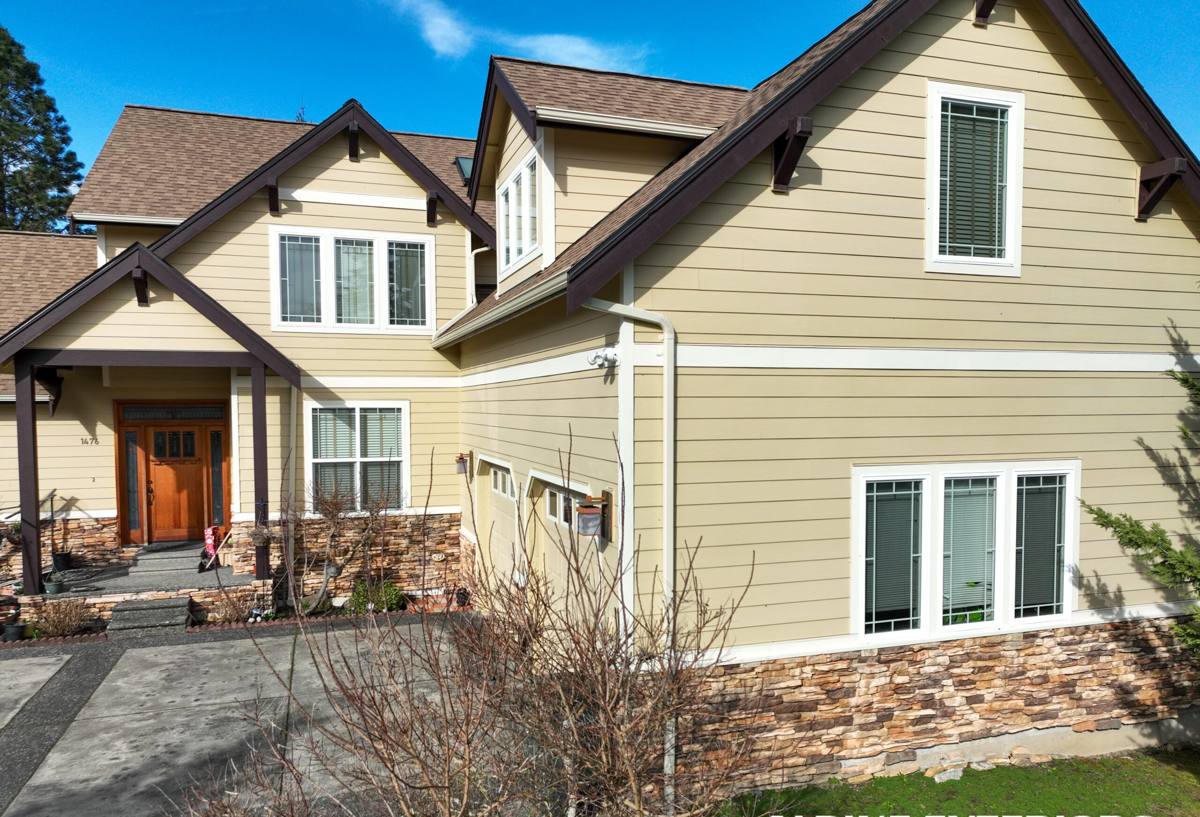
What a Real Roof Repair Involves Here
A proper repair starts with figuring out why the roof failed, not just where. In Cordata, that usually traces back to one or more of these:
- Moss and organic debris holding moisture against shingles long after rain has stopped elsewhere in the region
- Flashing around chimneys, skylights, and roof-to-wall transitions that has corroded or worked loose from repeated wet-dry cycles
- Fastener and metal corrosion accelerated by salt air, especially on roofs facing prevailing weather off the water
- Clogged or undersized gutters that back water up under the roof edge during heavy, driving rain
- Ventilation problems that trap moisture in the attic, which shows up as premature shingle wear or sheathing rot from the underside
A repair that only addresses the visible leak — say, a soft spot on the ceiling — without checking these upstream causes tends to come back within a season or two. We check all of them as part of any repair call, not just the spot you flagged.
Common Repair Scopes
Most Cordata repair calls fall into a few categories: localized shingle replacement after wind or moss damage, flashing repair or replacement at penetrations, gutter and edge-flashing correction to stop backflow leaks, and moss remediation combined with the physical repair so the same damage doesn't recur. Occasionally what looks like a simple repair turns into a recommendation for a larger section replacement — we'll tell you plainly if that's the case and why, rather than patching something that needs more.
Moss and the Long Wet Season
Whatcom County's moss season runs long — shaded, north-facing slopes and roofs under tree cover can stay damp for months at a stretch. Moss isn't just cosmetic. As it establishes, it lifts shingle edges, holds water against the roofing material, and creates a growing medium that keeps the surface wet well after a storm has passed. Over time this accelerates granule loss on asphalt shingles and can work moisture into the underlayment at seams and laps.
Repair work in moss-prone areas has to include removal and treatment, not just replacement of the damaged material. If we patch a section but leave moss established on the surrounding roof, the same moisture problem re-establishes itself and undermines the new work. We treat moss control as part of the repair scope on any roof where it contributed to the damage, and we'll walk you through simple maintenance steps to slow regrowth afterward.
Salt Air and Driving Rain: Coastal Exposure
Being close to Bellingham Bay means Cordata roofs deal with airborne salt, which speeds up corrosion on exposed metal — flashing, fasteners, vent caps, and gutter hardware in particular. Combined with driving rain that can push water sideways and up under roof edges during a real Whatcom County blow, this creates leak points that don't show up on a calm, dry day. That's part of why we inspect flashing and fastener condition closely on every repair, not just the shingles themselves — corroded metal is often the actual point of failure even when the surrounding shingles look fine.
Driving rain also exposes weak transitions: where a roof meets a wall, where a lower roof tucks under a higher one, or around dormers. These areas depend entirely on flashing doing its job, since gravity alone won't clear water pushed sideways by wind. When we repair a leak in one of these spots, we rebuild the flashing detail correctly rather than just sealing the surface with caulk, which is a short-term fix at best in this climate.
Our Repair Process
We keep the process straightforward because most homeowners just want the leak found, explained, and fixed correctly the first time.
- Inspection: We get on the roof (or use a camera where access is limited) and check the reported problem area plus the flashing, ventilation, and moss/debris conditions across the whole roof.
- Diagnosis and honest scope: We tell you what's actually causing the leak, what it will take to fix it correctly, and if a section is beyond reasonable repair, we say so rather than patching over a bigger problem.
- Written estimate: A clear scope and price before any work starts — no surprise add-ons once we're up there.
- Repair: Removal of damaged material, correction of the underlying cause (flashing, moss, ventilation, gutters), and proper reinstallation matched to your existing roofing where possible.
- Cleanup and check: Debris cleared, gutters checked for blockage from the work, and a final look to confirm the repair is watertight.
Repair or Replace: How to Think About It
Not every leak means a new roof, and not every repair is a good long-term investment. The table below covers the factors that typically decide which way we recommend going.
| Factor | Leans Toward Repair | Leans Toward Replacement |
|---|---|---|
| Roof age | Under roughly 12-15 years, asphalt shingle | Nearing or past manufacturer's expected service life |
| Damage extent | Isolated to one section or penetration | Spread across multiple slopes or recurring in several spots |
| Moss history | Recent, surface-level, not yet under shingles | Long-term growth with granule loss and lifted shingles throughout |
| Decking condition | Sheathing solid where exposed | Soft, delaminated, or rotted decking found during inspection |
| Prior repairs | First or second repair on this roof | History of repeated patches in the same areas |
We'll always give you our honest read on where your roof falls in this table before recommending a path.
Materials and Workmanship Standards
For repairs, we match materials to your existing roof wherever a good match is available, so patched sections blend in and perform the same as the surrounding roofing. For flashing and fasteners, given the salt-air exposure common in Cordata, we favor corrosion-resistant metal and fastener choices over the cheapest available option — this is a standard we apply because of how much faster inferior hardware fails here, not because of brand marketing. We don't rely on surface sealants or caulk as a standalone fix for flashing failures; caulk degrades under UV and temperature cycling and is, at best, a short-term measure layered on top of a correct mechanical repair.
Why Local Experience in Cordata Matters
A crew that works this neighborhood regularly knows which roof orientations take the worst of the weather off the water, which older home styles tend to have specific flashing quirks, and how aggressive the moss season is likely to be based on tree cover and roof pitch. That local pattern recognition shortens the diagnostic process and helps us catch secondary issues — like a ventilation problem masquerading as a simple leak — that a crew unfamiliar with the area might miss. It also means we're realistic about timelines: scheduling repairs around the wettest stretches of the year isn't guesswork for us, it's routine.
Signs You Need a Roof Repair Now
Don't wait for a ceiling stain to call. In this climate, smaller signs usually show up first and are cheaper to address early.
- Visible moss patches, especially on north-facing or shaded slopes
- Granules collecting in gutters or at downspout outlets
- Shingles that look lifted, curled, or discolored in isolated spots
- Rust streaks below flashing or vent penetrations
- Musty smell or visible moisture in the attic after a heavy rain
- Daylight visible through the roof deck from inside the attic
- Gutters overflowing or pulling away from the fascia during storms
Catching any of these early keeps a repair a repair, instead of letting it grow into a replacement.
If you're seeing any of these signs on your Cordata home, or just want a straight answer on what shape your roof is really in, we're happy to take a look. Use the form below to request a free, no-pressure estimate — we'll tell you honestly what we find.