 Bellingham Exterior
 Building Decks for Edgemoor's Bayside Homes
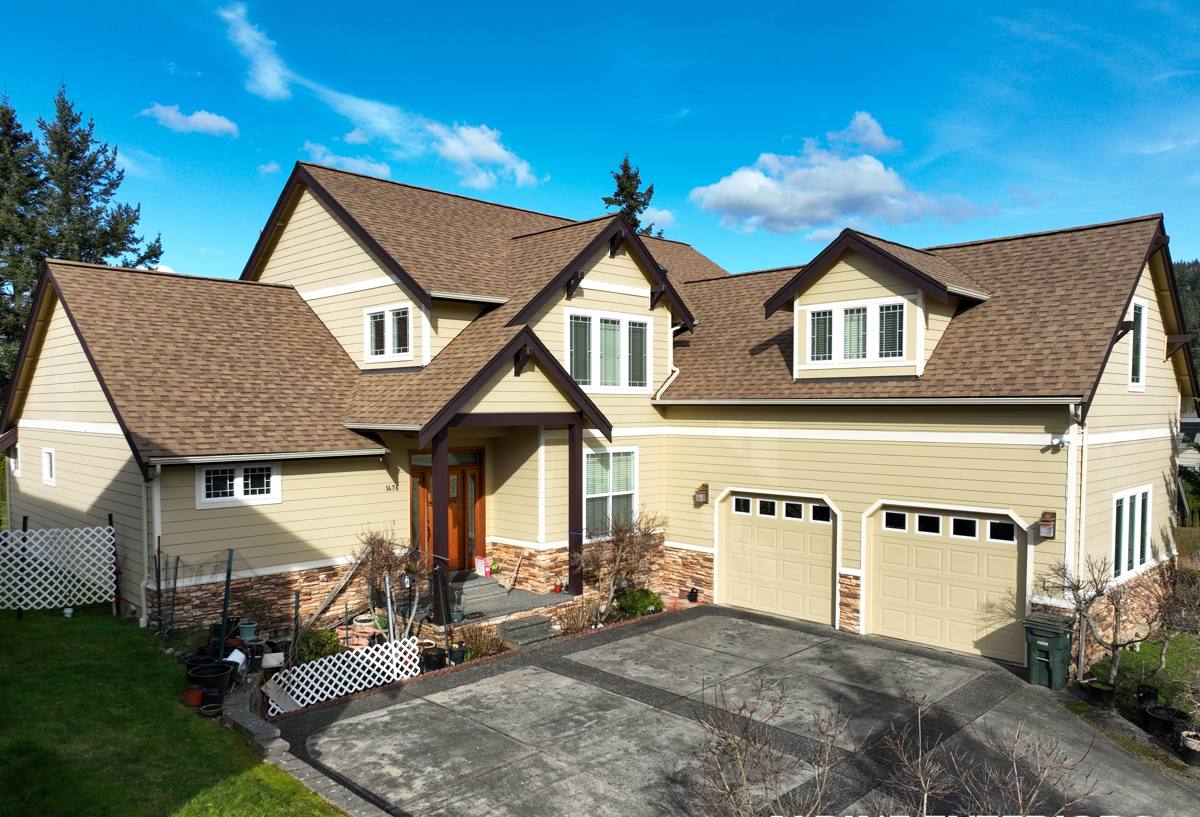
Edgemoor sits close to Bellingham Bay, tucked into wooded, bluff-side terrain that gives homes some of the best views in Whatcom County — and some of the toughest conditions for an exterior structure. A deck out here isn't just exposed to rain like anywhere else in Bellingham. It's exposed to salt-laden air coming off the bay, heavy tree cover that keeps surfaces damp and shaded for long stretches, and a moss season that can run most of the year if a deck isn't built and maintained with that in mind.
We build and repair decks throughout Bellingham, and Edgemoor jobs get treated differently from the start. The material choices, the fastener hardware, the drainage details, and the framing gaps all get adjusted for a site that's going to spend more of the year wet and shaded than a deck in a more open, inland part of the city.
What Bellingham Bay's Climate Actually Does to a Deck
Salt Air and Metal Hardware
Proximity to saltwater accelerates corrosion on anything metal — fasteners, joist hangers, post bases, railing brackets. Standard galvanized hardware that would hold up fine ten miles inland can start showing rust streaks and pitting within a few years this close to the bay. Once a fastener starts corroding, it loses holding strength long before it looks obviously bad, which is the real risk: the deck can seem fine while the connections underneath are quietly weakening.
Driving Rain and Wind-Driven Moisture
Bellingham's rain doesn't always fall straight down. Storms coming off the water push rain sideways into ledger connections, railing posts, and stair stringers — areas that a lot of deck builds treat as low-risk because they're technically "covered" or against the house. On an Edgemoor lot with wind exposure toward the bay, those same areas take a steady beating and need flashing and gapping details that a fair-weather build would skip.
Shade, Moss, and Trapped Moisture
The mature tree canopy that makes Edgemoor attractive also means less direct sun on a lot of decks, which means slower drying after every rain. Combine that with moss spores that are constantly present in this part of Whatcom County, and you get decking that stays damp far longer than it should — the single biggest driver of rot, board cupping, and slick, unsafe surfaces.
Choosing Decking Material for This Environment
There's no single "best" decking material — there's the right material for a specific site, budget, and maintenance appetite. For a shaded, bay-exposed Edgemoor lot, here's how the common options actually perform:
| Material | Moisture/Moss Behavior | Maintenance | Typical Lifespan Here |
|---|---|---|---|
| Pressure-treated wood | Absorbs moisture, can stay damp in shade, needs sealing to resist moss staining | Annual cleaning and re-sealing recommended | 15-20 years with upkeep |
| Cedar | Naturally rot-resistant, but still needs airflow and periodic treatment to fight moss in shaded spots | Regular cleaning, occasional oil/stain | 15-25 years with upkeep |
| Composite decking | Won't rot, but can still grow surface moss/algae in constant shade — needs periodic washing | Low — occasional wash, no sealing | 25-30+ years, manufacturer warranty |
| PVC decking | Fully moisture-resistant, best resistance to staining and moss buildup | Lowest — occasional wash | 25-30+ years, manufacturer warranty |
For heavily shaded Edgemoor lots close to the water, we more often steer clients toward composite or PVC decking, or well-sealed cedar if they want a natural wood look — not because treated lumber is a bad product, but because it demands more consistent upkeep than a lot of homeowners realistically keep up with once the deck is a few years old.
What a Correctly Built Deck Requires Here
Framing and Fastener Hardware
Given the salt air, we spec stainless steel or heavy-duty coated fasteners and connectors rather than standard galvanized hardware for bay-exposed builds. It costs more up front. It also means the connections holding the deck to the house and the posts to the footings aren't the first thing to fail.
Ledger Flashing
The ledger board — where the deck attaches to the house — is the single most important place to get flashing right. Done poorly, wind-driven rain works behind the ledger and rots the house's rim joist from the inside, which is an expensive repair that has nothing to do with the deck itself. We flash ledgers with attention to the sideways rain this location sees, not just a standard straight-down assumption.
Board Spacing and Airflow
In a shaded, damp environment, gapping between deck boards and clearance underneath the deck matter more than they would on a sunny, open lot. Tight spacing and poor under-deck ventilation trap moisture against the framing and accelerate rot and moss growth on the walking surface. We set spacing and substructure height with that drying time in mind.
Footings on Sloped, Wooded Ground
Edgemoor's terrain is often sloped and root-filled, which changes how footings get placed and how deep they need to go to reach stable soil below the frost line. We evaluate each site's actual grade and soil rather than using a one-size assumption.
Our Deck Building Process
- Site walk and assessment — we look at sun exposure, slope, tree cover, wind direction relative to the bay, and existing structure condition if this is a rebuild.
- Design and material selection — sized and laid out for how the space will actually be used, with material recommendations based on the shade and moisture conditions of that specific lot.
- Permitting — we handle the permit application through the City of Bellingham or Whatcom County, whichever has jurisdiction over the property.
- Footings and framing — footings set to code depth for the soil conditions, framing built with corrosion-resistant hardware suited to the bay exposure.
- Decking, railing, and flashing installation — ledger flashing, stair and railing work, and decking installed with the gapping and fastening approach appropriate to the material chosen.
- Final walkthrough — we go over the finished deck with the homeowner, including what maintenance it actually needs given the site.
Permits and Local Code
Most new decks and many deck rebuilds in Bellingham and unincorporated Whatcom County require a building permit, particularly once the deck is elevated above a certain height or attached to the house. Requirements can also vary depending on setbacks and, in some waterfront-adjacent areas, shoreline or critical-areas considerations. We handle the permit process as part of the job rather than leaving homeowners to sort out which jurisdiction and which rules apply.
Maintenance That Actually Matters in This Climate
A deck in Edgemoor needs a different maintenance rhythm than one on an open, sunny lot across town. A short annual routine prevents most of the problems this climate causes:
- Sweep debris and standing leaves off the deck surface regularly, especially in fall — trapped organic matter is what feeds moss and holds moisture against boards.
- Wash the deck surface at least once a year to remove moss and algae buildup before it stains or gets slick.
- Check railing posts, stair connections, and ledger flashing periodically for movement, rust streaks, or soft wood — early signs of a connection losing strength.
- Keep gutters and downspouts near the deck clear so runoff isn't dumping extra water onto or under the structure.
- Re-seal wood decking on the manufacturer's recommended schedule if you've chosen cedar or treated lumber — skipping this is the most common reason wood decks age poorly here.
- Clear brush and overhanging branches where practical to improve airflow and sun exposure to the deck surface.
Why a Crew That Already Works Edgemoor Matters
A contractor who mostly builds decks on open, inland lots will often use the same hardware, spacing, and flashing details everywhere — because most of their jobs don't need anything different. On a bay-exposed, tree-shaded Edgemoor property, those default choices show up as rust, rot, and moss years earlier than they should. Working this neighborhood regularly means we already know which details to upgrade before it's a problem, not after a homeowner calls about a soft board or a wobbly railing.
It also means we're familiar with the sloped, wooded lots common in this part of Bellingham and the permitting path through the correct jurisdiction, so the project moves without avoidable delays.
Get a Free Estimate for Your Edgemoor Deck
If you're planning a new deck, replacing an aging one, or just want an honest read on whether your current deck is holding up the way it should in this climate, we're glad to take a look. Fill out the form below for a free, no-pressure estimate — we'll walk the site, talk through material options suited to your lot's sun and shade, and give you a straightforward assessment before any work begins.