 Bellingham Exterior
 Windows in Ferndale Take a Different Kind of Beating
Ferndale sits close enough to Bellingham Bay and the Strait of Georgia that salt-laden air is a real factor in how exterior materials age here, not just a talking point. Add Whatcom County's long wet season, wind-driven rain off the water, and months of low sun angle that keep north and west-facing walls damp, and you get a climate that's genuinely harder on windows than most of the country deals with. Frames, sills, and seals that would last two or three decades in a dry climate can start failing in half that time if they weren't built or installed with this kind of exposure in mind.
We work on homes throughout Ferndale and the surrounding Whatcom County area regularly, so we're not guessing at what local conditions do to a window system over time — we see it on service calls and replacement jobs year-round.
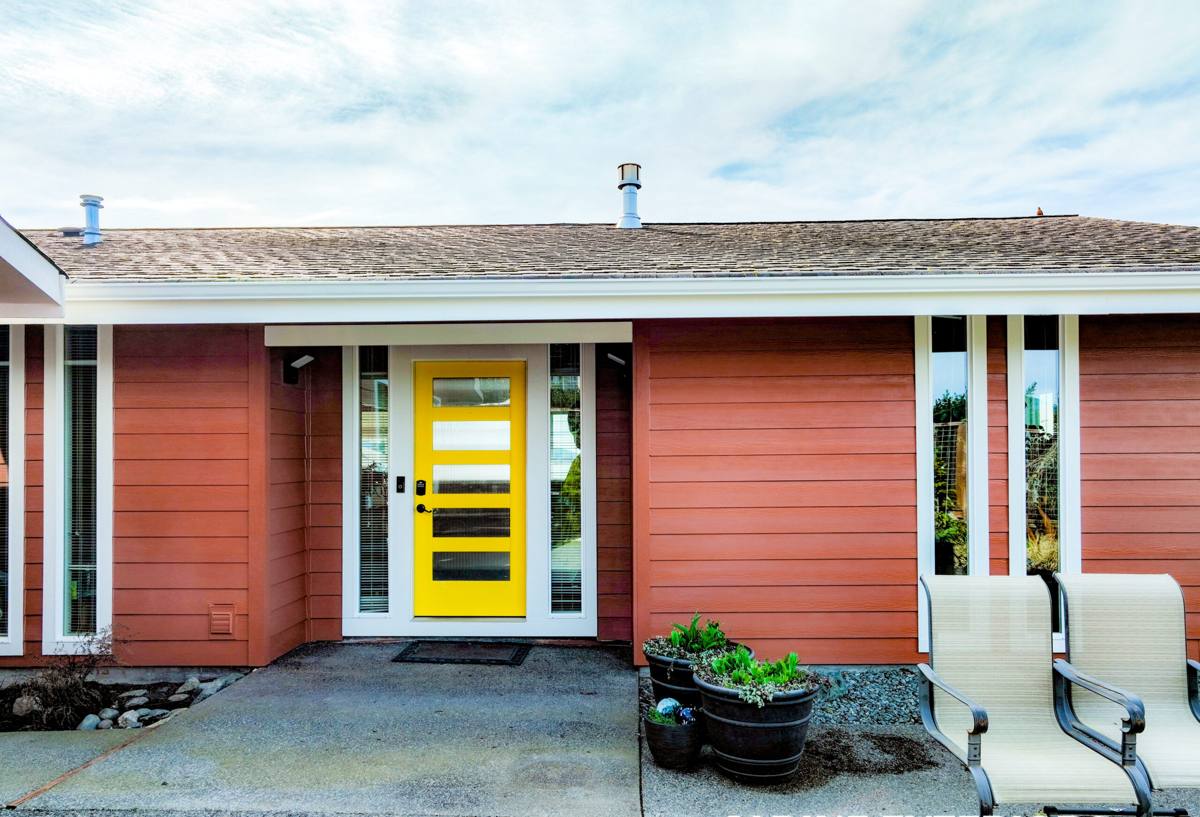
What Bellingham-Area Climate Does to Old Windows
Salt Air and Metal Components
Aluminum frames, hardware, and fasteners near the water corrode faster than the same materials would inland. Balances stick, locks get stiff, and pitting on frame surfaces becomes a slow entry point for moisture. It's not dramatic — it's gradual, which is exactly why it gets missed until a window won't seal properly anymore.
Driving Rain and Wind Exposure
Storms coming off the water don't just fall straight down — wind pushes rain sideways into wall assemblies, testing every seal and flashing detail around a window opening. A window that's watertight in calm weather can still leak under wind-driven rain if the flashing and sill pan weren't done correctly. This is one of the most common causes of hidden water damage we find in older Ferndale homes.
Moss, Mildew, and the Long Wet Season
Whatcom County's moss season isn't limited to roofs. Sills, exterior trim, and any horizontal or slow-draining surface near a window can grow moss and mildew if water isn't shedding cleanly. Once organic growth takes hold on wood trim or a compromised sill, it holds moisture against the material and accelerates rot underneath.
Condensation and Indoor Humidity
Older single-pane or early double-pane windows in this climate often show heavy interior condensation in fall and winter. That moisture doesn't stay on the glass — it works into the sill and the wall cavity below the window over years, which is one of the quieter reasons homeowners end up needing replacement sooner than expected.
Signs a Ferndale Home Needs Window Replacement, Not Just Repair
- Fogging or moisture trapped between panes — the seal has failed and the insulated glass unit can't be repaired, only replaced
- Soft, discolored, or spongy wood at the sill or bottom corners of the frame
- Windows that are difficult to open, close, or lock, especially after damp weather
- Visible daylight or a noticeable draft around the frame when it's windy
- Paint that keeps failing or bubbling on the interior or exterior trim near the window
- A musty smell in the room, which often points to hidden moisture at the sill or header
- Noticeably higher heating bills compared to similar-sized rooms with newer windows
Some of these can be addressed with repair or reglazing if caught early. Once moisture has reached the framing or the seal has failed inside the glass unit itself, replacement is the honest recommendation — patching those problems just delays a bigger repair later.
What a Correct Window Replacement Involves Here
The window unit itself matters, but in this climate the installation detailing is what determines whether that window performs for the next 20-plus years. A quality window installed poorly will leak. A mid-range window installed correctly, with proper flashing and drainage, will consistently outperform it.
Removal Without Hidden Damage
We remove the old unit carefully and inspect the rough opening before anything new goes in. This is where problems from years of water intrusion usually show up — soft sheathing, rotted framing members, or old flashing that was never installed correctly in the first place. Any of that gets addressed before the new window is set, not covered over.
Flashing and Drainage Built for Wind-Driven Rain
Given how much of our regional rain arrives sideways rather than straight down, proper sill pan flashing and a correctly lapped weather-resistive barrier around the opening aren't optional details — they're the actual difference between a window that stays dry and one that eventually doesn't. We flash every opening so water is directed out, not trapped behind the trim.
Sealing and Insulation
Gaps around the window frame are insulated and sealed with materials suited to the movement and moisture conditions here, not just caulked over. A poorly insulated gap is both an energy loss point and a condensation risk.
Hardware and Frame Material Suited to Coastal Exposure
Given the salt air factor, we pay attention to hardware finish and frame material corrosion resistance, particularly on homes closer to the water. It's a small line-item decision that has an outsized effect on how well locks, balances, and cranks keep working over the years.
Comparing Frame Materials for Ferndale's Climate
| Frame Material | Performance in Salt Air / Coastal Rain | Maintenance |
|---|---|---|
| Vinyl | Good — won't corrode or rot, handles moisture well | Low; occasional cleaning |
| Fiberglass | Very good — dimensionally stable, resists moisture and corrosion | Low |
| Wood (clad exterior) | Good exterior protection, but any breach in the cladding exposes wood to rot | Moderate to high; watch seams and joints |
| Aluminum | More prone to corrosion and pitting near salt air over time | Moderate; hardware needs monitoring |
We'll talk through these trade-offs honestly for your specific home rather than pushing one option — the right frame material depends on your budget, the home's exposure to weather, and how it needs to match existing trim and architecture.
Our Process for a Ferndale Window Replacement
- On-site assessment — we look at existing windows, sills, and any visible moisture or rot before quoting anything
- Honest scope and estimate — you'll know upfront if we're recommending replacement, repair, or a mix, and why
- Removal and opening inspection — old units come out carefully and we check the rough opening for hidden damage
- Any needed framing or sheathing repair — addressed before the new window goes in, never covered over
- Proper flashing, sill pan, and weather barrier integration — built for wind-driven rain, not just standard install
- Window setting, insulation, and sealing — leveled, shimmed, insulated, and sealed to spec
- Interior and exterior trim finish — matched to your home so the new window doesn't look like a patch job
- Final walkthrough — we check operation, sealing, and cleanup with you before calling it done
Why a Crew That Already Works Ferndale Matters
Anyone can install a window on a dry, calm day inland and have it look fine. The real test is how that installation holds up through a Whatcom County winter of driving rain and a summer of salt-laden marine air. A crew that works this specific area regularly already knows which details can't be shortcut here — sill pan flashing, drainage planes, and material choices that hold up near the water — because we've seen what happens when those details get skipped on older homes we're called back to fix.
We're not guessing at regional building practice from a manual. We're applying what consistently works on homes in Bellingham, Ferndale, and the rest of Whatcom County, and adjusting for each home's specific exposure — closer to the water, more shaded and moss-prone, older original framing, whatever the situation calls for.
A Few Practical Notes Before You Decide
- Replacing all windows on a home at once isn't always necessary — sometimes a phased approach starting with the worst-exposed windows makes more financial sense
- North and west-facing windows in Ferndale typically show wear first due to prevailing wind and rain direction
- New windows won't fix an existing moisture problem in the wall — if there's already rot, that needs to be addressed as part of the job, not after
- Energy efficiency gains are real, but the bigger long-term win in this climate is stopping water intrusion before it becomes a structural repair
If you're noticing drafts, fogged glass, sticky operation, or soft spots around your window sills, it's worth having someone look before the next wet season adds to the damage. We're happy to come out, give you a straight assessment, and put together a free, no-pressure estimate for your Ferndale home.