 Bellingham Exterior
 Siding That Has to Work in Lynden's Climate, Not Just Look Good on Day One
Lynden sits inland from Bellingham Bay in the Nooksack River lowlands, but "inland" in Whatcom County doesn't mean dry. Homes here still take on months of steady Pacific Northwest rain, damp ground fog off the farmland, and long stretches where siding simply doesn't get a chance to fully dry out between storms. Add in the salt-tinged marine air that rolls in off the Sound and up through the county, and you have an exterior environment that punishes any siding product with weak seams, poor paint adhesion, or a tendency to hold moisture against the wall.
We install fiber cement siding in Lynden because it's the one exterior product built specifically to handle this combination of driving rain, humidity, and moss growth without becoming a five-year maintenance project. This page covers what that actually means for a Lynden home — the climate demands, the installation details that matter, and how our process works from first estimate to finished wall.
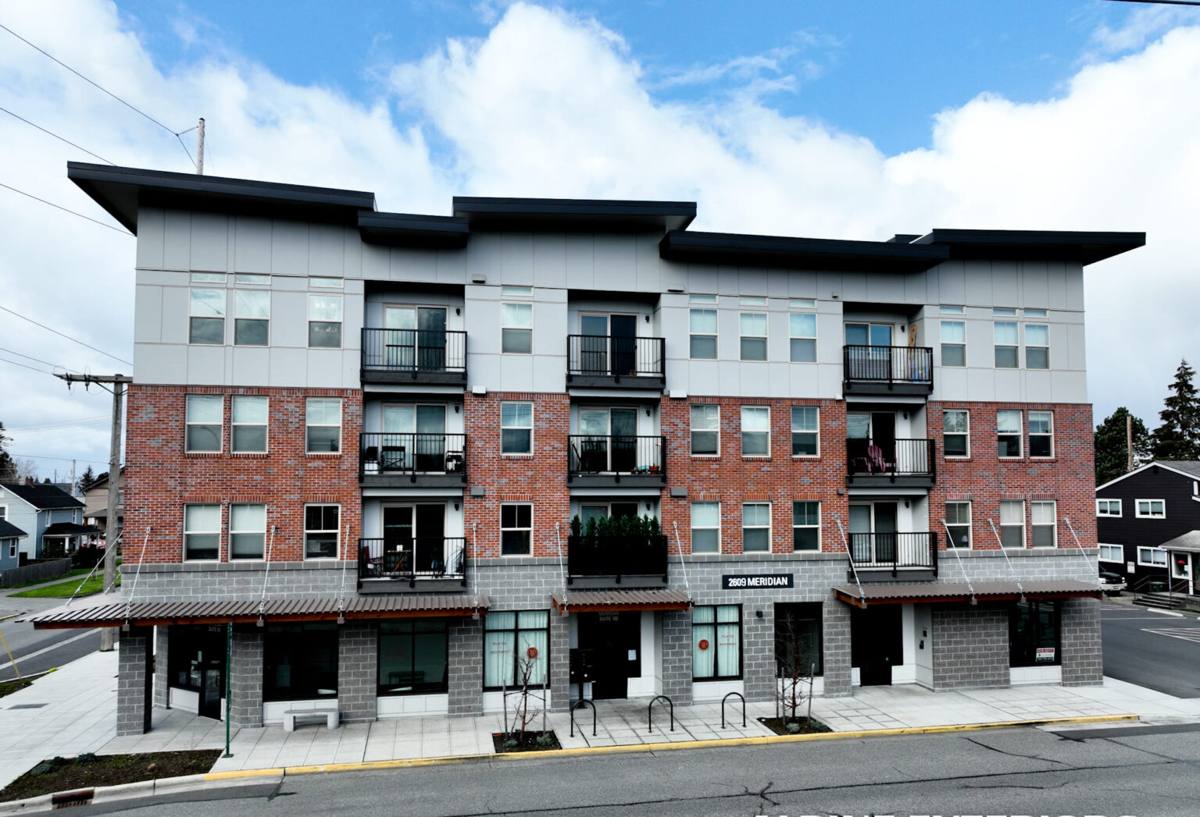
What Whatcom County's Climate Actually Does to Exterior Walls
Driving Rain and Wind-Driven Moisture
Storms coming off the water don't just fall straight down — wind pushes rain sideways into wall assemblies, especially on gable ends, around window trim, and at inside corners. Any siding product with loose-fitting joints, gapped caulk lines, or fasteners that back out over time gives that wind-driven rain a path behind the cladding. Once water gets behind a wall, it doesn't matter how good the surface looks; the sheathing, framing, and insulation underneath start to suffer.
Moss, Algae, and the Long Wet Season
Western Washington's moss season isn't a few weeks — it's most of the year. North-facing walls, shaded elevations near trees, and anywhere siding stays damp longer than it should are prime real estate for moss and algae growth. Softer or more porous siding materials give moss something to grip and grow into; a dense, factory-finished fiber cement surface gives it far less to hold onto, and what does grow sits on the surface where it can be washed off instead of working into the material.
Humidity and Slow Drying Cycles
Between rain events, Whatcom County's marine humidity means walls dry slowly. Products that absorb moisture — even a little — stay damp longer, which accelerates rot, delamination, and paint failure. This is the core reason we standardized on one product line instead of offering several: the material has to be engineered for exactly this drying pattern, not just tolerant of an occasional wet week.
Why We Install James Hardie and Nothing Else
We don't carry LP SmartSide, vinyl, Cemplank, Allura, primed spruce, or cedar. That's a deliberate professional standard, not a sales preference. James Hardie's fiber cement is engineered specifically for the Pacific Northwest through its HZ5 climate-designated product line, which accounts for the freeze-thaw cycles, extended moisture exposure, and coastal air found throughout Whatcom County.
Non-Combustible Core
Fiber cement is made from cement, sand, and cellulose fibers — it doesn't burn, warp in heat, or provide fuel the way wood-based or engineered-wood siding products can. That matters for insurance considerations and for long-term peace of mind, especially as wildfire smoke seasons have become a more regular part of summer in this region.
ColorPlus Factory Finish
Rather than field-painting siding after installation, Hardie's ColorPlus finish is baked on in a controlled factory environment through multiple coats, giving it far better adhesion and UV resistance than a job-site paint job. In a climate where a poorly bonded paint layer peels or chalks within a few seasons, that factory finish is one of the biggest reasons Hardie holds up here.
Warranty Backing
Hardie backs its siding with a strong, transferable limited warranty on the substrate and a separate finish warranty on ColorPlus color — protection that follows the house if it sells, which matters to buyers doing due diligence on a home's exterior condition.
What a Correct Fiber Cement Installation Actually Involves
Fiber cement siding is only as good as the installation behind it. A huge share of the "siding problems" homeowners in this region deal with trace back not to the material, but to shortcuts taken during installation. A correct job includes:
- A properly lapped and sealed weather-resistive barrier behind the siding, with all penetrations flashed before a single board goes up
- Correct fastener type, spacing, and embedment depth — under-driven or over-driven nails are one of the most common causes of premature failure
- Manufacturer-specified clearances at the ground, roofline, and any hard surfaces, so the siding never sits in standing water or gets buried by soil, mulch, or pavement
- Butt joints and corners caulked and flashed per Hardie's installation instructions, not just caulked over and painted
- Proper gapping at window and door trim to allow for expansion without cracking the finish
- Field-cut edges sealed with the correct touch-up product so raw, unsealed fiber cement is never left exposed to weather
Skipping any one of these doesn't show up immediately — it shows up two or three winters later, as staining, soft trim, or paint failure at the joints. That's exactly why we treat installation detail as seriously as the material choice itself.
Our Process on a Lynden Job
1. On-Site Assessment
We start by walking the exterior with you, checking existing siding condition, trim, flashing, and any signs of moisture that's already gotten behind the wall. On older Lynden homes, this often turns up soft sheathing or rot around windows and at the base of walls that needs to be addressed before new siding goes on — covering that up would just trap the problem.
2. Tear-Off and Wall Prep
Old siding comes off, and we inspect and repair sheathing as needed. This is the point where the weather-resistive barrier and flashing details get installed correctly — the part of the job that's invisible once siding is up, but does most of the actual work of keeping water out.
3. Hardie Installation
Boards, panels, or shingles go up per Hardie's fastening and clearance specifications, with attention to every joint, corner, and penetration. We select the HZ5 product line appropriate for this climate zone.
4. Trim, Caulking, and Finish Detail
Trim work, caulking, and touch-up on any field cuts are finished last, so the whole assembly — siding, trim, and flashing — works together as one weatherproof system rather than a collection of parts.
5. Final Walkthrough
We walk the finished exterior with you before calling the job done, so you know exactly what was installed and what basic upkeep, if any, to expect going forward.
Comparing Siding Options for a Lynden Home
Homeowners often ask why we won't quote alternatives. Here's an honest look at how the main options stack up under this region's conditions:
| Material | Moisture Behavior in Wet Climates | Moss/Algae Resistance | Finish Durability |
|---|---|---|---|
| James Hardie Fiber Cement (HZ5) | Engineered for wet-climate exposure; dense composition resists water absorption | Dense surface gives moss little to grip; factory finish sheds algae growth more easily | Factory-baked ColorPlus finish, multi-coat process, separate finish warranty |
| Vinyl Siding | Doesn't rot, but seams and panels can allow water intrusion behind the material; can warp in temperature swings | Smoother surface but joints and laps can trap moisture and organic growth | Color is through the material but fades over time; cannot be repainted easily to refresh |
| LP SmartSide (engineered wood) | Wood-based core is more moisture-sensitive; edge sealing and maintenance are critical | More susceptible to moisture-related organic growth if seals fail | Field or factory finish varies; edge and cut-end sealing is essential and easy to miss |
| Cedar | Natural material that absorbs and releases moisture; needs consistent upkeep in wet climates | Prone to moss and algae without regular cleaning and treatment | Requires ongoing staining or sealing to maintain appearance and protection |
This isn't about any of these products being poorly made — it's about which one is built to spend a Whatcom County winter against a wall with the least ongoing intervention from the homeowner.
Cost Factors for a Lynden Fiber Cement Project
Every home is different, but the same handful of factors drive cost on most Lynden jobs:
| Factor | Why It Affects Cost |
|---|---|
| Tear-off and wall condition | Rot repair or sheathing replacement found during tear-off adds labor and material |
| Siding profile | Lap siding, panel siding, and shingle-style products differ in material and install time |
| Trim and detail work | Homes with more corners, windows, and architectural trim take more time to flash and finish correctly |
| Color and finish selection | Standard ColorPlus colors vs. custom or premium selections can shift material pricing |
| Access and site conditions | Multi-story sections, tight lot lines, and landscaping can affect staging and labor time |
We don't quote a number without seeing the house — anyone who does is guessing. What we can promise is a written estimate that spells out exactly what's included, with no vague allowances hiding behind it.
Keeping Fiber Cement Siding Looking Right in This Climate
One of the real advantages of correctly installed Hardie siding is how little upkeep it demands compared to the alternatives — but "little" isn't "none." A simple annual routine goes a long way in this climate:
- Rinse siding annually with a garden hose or low-pressure wash to clear pollen, dust, and early moss growth before it takes hold
- Check caulk lines at trim, corners, and penetrations yearly for cracking or separation
- Keep gutters clear so overflow doesn't run down the siding face or pool at the base of walls
- Trim back vegetation and maintain clearance between siding and soil, mulch, or hardscaping
- Address any paint chips or field-cut touch-ups promptly rather than letting raw edges sit exposed
None of this requires a professional visit most years — it's the kind of maintenance any homeowner can handle in an afternoon, which is part of why fiber cement pencils out well over the long run.
Why Hiring a Crew That Already Works in Lynden Matters
Installation quality is what actually determines whether siding performs for thirty years or ten. A crew that regularly works Whatcom County homes has already seen how local moisture patterns, moss exposure, and wind-driven rain play out on real houses — not just in a training manual. That translates into better judgment on flashing details, clearance decisions, and where to spend extra attention on a given elevation.
It also means straightforward logistics: material delivery, scheduling around the region's wetter months, and permitting familiarity with the jurisdictions covering Lynden and the surrounding Whatcom County area. None of that is glamorous, but all of it affects whether a project runs smoothly and finishes correctly.
Get a Straightforward Estimate for Your Lynden Home
If your siding is showing moss buildup, soft trim, peeling paint, or you're simply planning ahead for a replacement, we're happy to take a look and give you an honest read on condition and options. There's no pressure and no obligation — just a clear assessment and a written estimate for James Hardie fiber cement siding built for what this climate actually demands. Use the form below to request your free estimate.