 Bellingham Exterior
 Roofing in a Silver Beach Microclimate
Silver Beach sits inside one of the wetter, greener pockets of Bellingham, and that setting shapes how roofs age here. Heavy tree cover keeps shingles shaded and damp longer after a storm than roofs out in the open. Moisture-laden air moving in off the water sits over Whatcom County for long stretches of the year, and it doesn't take much of that combination — shade, humidity, and driving rain — before moss and algae get a foothold on north-facing slopes and anywhere debris collects. None of this means a roof is doomed. It means repairs here have to account for conditions that a roof in a drier inland town simply doesn't face.
We work on homes throughout this neighborhood and the surrounding streets, and the repair calls we get tend to follow a pattern: slow leaks that started small and got ignored, flashing that failed quietly around a chimney or skylight, and moss that was left to grow until it started lifting shingles instead of just staining them. Catching these early is the difference between a repair bill and a replacement bill.
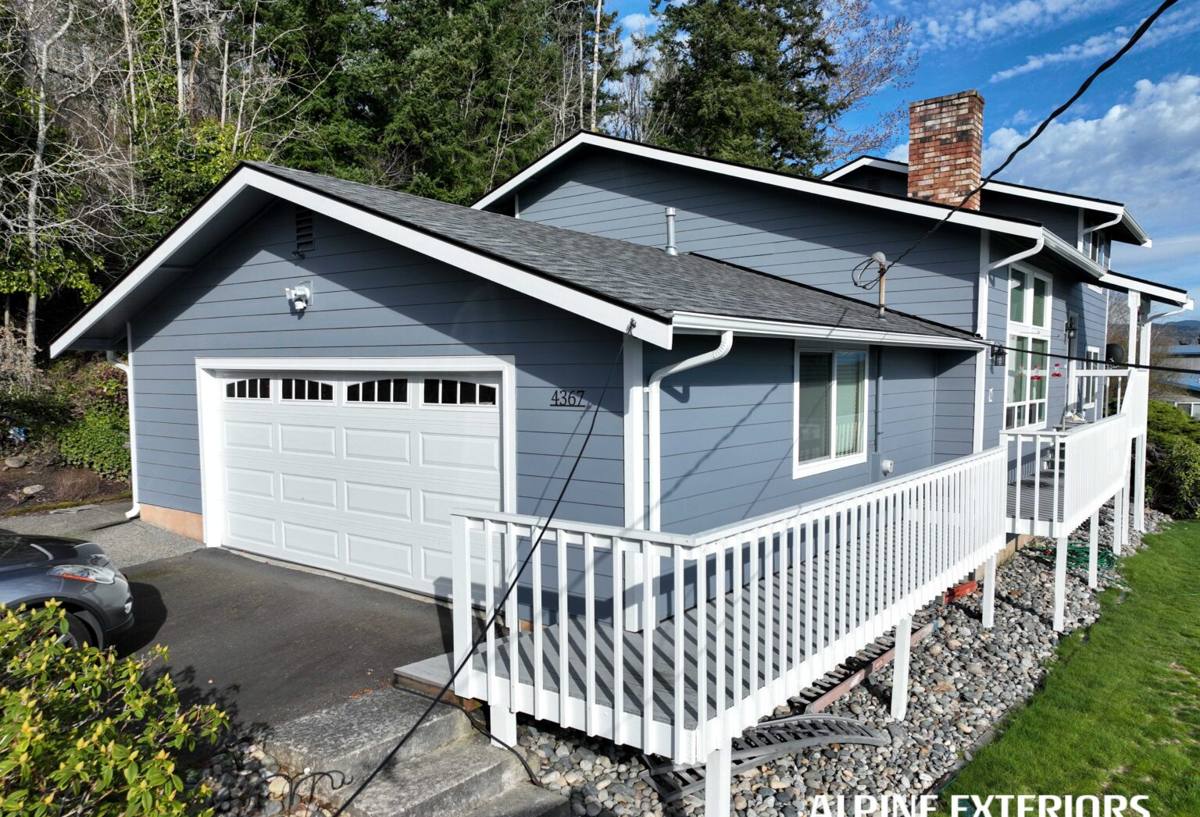
What Counts as a Repair (and When It Doesn't)
"Roof repair" covers a wide range of work — from resealing a single boot flashing to replacing an entire section of decking after a slow leak went undetected. The honest answer to "can this be repaired?" depends on how contained the damage is and what caused it in the first place. A roof with one bad valley or a cracked pipe boot is usually a straightforward repair. A roof where moss has been growing under the shingle tabs for a few seasons, or where multiple leaks have started showing up in different rooms, is often telling you the underlying materials are wearing out everywhere, not just in the spot where water finally found its way in.
Part of our job on every repair call is telling you honestly which category your roof falls into. We're not interested in patching something that's going to leak again in six months, and we're not going to push a full replacement on a roof that has years of life left in it. We'll walk the roof, explain what we find, and give you the repair option and the replacement option side by side if both are realistically on the table.
Signs You Likely Need a Repair, Not a Full Roof
- A single leak traced to one clear source — a boot, a valley, a chimney flashing, a nail pop
- Isolated moss or algae growth on part of the roof, not spread across most slopes
- Shingles that are cracked, curled, or missing in a small, defined area
- The roof is under roughly 15-20 years old and otherwise in decent shape
- No soft spots, sagging, or visible decking damage when the area is opened up
The Most Common Repairs We See on Silver Beach Homes
Moss and Debris-Related Damage
Moss doesn't just sit on top of a roof — its roots work under shingle edges and hold moisture against the material, and over a wet Bellingham winter that moisture has time to do real damage. By the time you can see moss from the ground, it's often been established for a season or more. Repair work here usually means removing the growth carefully (not power-washing, which can strip granules and shorten shingle life), assessing what's underneath, and replacing any shingles that have lifted or degraded.
Flashing Failures
Flashing — the metal that seals roof penetrations and transitions like chimneys, skylights, and roof-to-wall joints — is the single most common source of leaks we're called out for. It's a small, inexpensive part of the roof system, but when it fails, water gets in fast. Driving rain off the water pushes moisture sideways under poorly sealed flashing in a way that a light, straight-down rain never would, which is part of why this fails more often here than in drier regions.
Valley and Gutter-Adjacent Leaks
Valleys carry more water than any other part of the roof, and they collect the falling needles and leaves that are constant in a neighborhood with mature tree cover. When debris dams a valley, water backs up under the shingles instead of running off. Clogged or undersized gutters make the same problem worse at the roof edge. A lot of "roof leaks" we investigate actually start as a drainage problem, not a shingle problem.
Ventilation and Condensation Issues
Less visible, but common in this climate: attics that don't vent properly trap warm, moist air against the underside of the roof deck. Over time that shows up as damp sheathing, mold smell, or premature shingle aging from the inside out. It's not always obvious from a roof-level inspection alone, which is why we check attic conditions as part of a repair visit whenever a leak's source isn't immediately clear from outside.
How We Handle a Repair Call
1. Inspection
We get on the roof (not just look at it from the ground) and check the suspect area along with the rest of the roof system — flashing, valleys, vents, and the attic if there's access. A leak's entry point is often several feet from where the stain shows up inside, since water travels along the decking before it drips.
2. Diagnosis and a Straight Estimate
You get a plain explanation of what's causing the problem, what it'll take to fix it, and an honest range. If we find something bigger than the original call — soft decking, spreading moss, a roof nearing the end of its service life — we'll tell you before starting work, not after.
3. The Repair
We match materials to what's already on the roof where possible, replace what's damaged, and reseal or re-flash the trouble area properly rather than just caulking over the symptom. A repair that just covers a leak without addressing the cause tends to fail again in the next wet season.
4. Cleanup and Walkthrough
We clear debris, haul away old material, and walk you through what was done and what to keep an eye on going forward — especially if part of the issue was maintenance-related, like moss or clogged valleys, that can recur if it's not managed.
Repair vs. Replacement: What Actually Drives the Decision
| Factor | Points Toward Repair | Points Toward Replacement |
|---|---|---|
| Roof age | Well within expected shingle lifespan | At or past the material's typical service life |
| Damage extent | Isolated to one area or cause | Multiple leaks, widespread wear, or moss over most slopes |
| Decking condition | Solid, dry sheathing under the damaged shingles | Soft, delaminated, or rotted decking found on inspection |
| Shingle condition elsewhere | Rest of the roof is flat, granulated, and flexible | Widespread curling, cracking, or granule loss |
| History of repairs | First or second repair call on this roof | Recurring leaks in different spots over recent years |
None of these factors on their own settle the question — it's the combination that matters, and it's why an honest inspection matters more than a quick look from the driveway.
Materials We Use and Why
For repair work, we generally match the existing roofing material rather than introducing something different, since mixed materials and mismatched flashing metals are a common cause of future leaks. Where we do have some choice — replacement flashing, underlayment, or moss-resistant shingle caps — we lean toward materials that hold up to sustained moisture rather than materials that look good on day one and struggle after a few wet seasons.
On flashing specifically, we favor durable metal (galvanized steel or aluminum, depending on what's compatible with the existing roof) properly lapped and sealed, over relying on caulk or sealant alone. Caulk has its place as a finishing step, but it isn't a substitute for correctly installed metal — sealant degrades with UV and temperature swings, and once it cracks, the leak comes right back. That's a standard we hold ourselves to, not a knock on any particular brand of sealant.
A Maintenance Checklist for Silver Beach Homeowners
A lot of the repair calls we get could have been smaller jobs — or avoided altogether — with a bit of regular attention. This is worth doing once or twice a year, especially heading into the wet season:
- Clear leaves and needles out of valleys and gutters before fall rains set in
- Look for moss or algae starting on shaded, north-facing slopes and address it early rather than letting it spread
- Check flashing around chimneys, skylights, and vent pipes for gaps, rust, or lifted edges
- Watch for ceiling stains or musty attic smells after heavy rain — early signs of a slow leak
- Trim back branches that overhang the roof to reduce debris buildup and shade
- Confirm attic vents aren't blocked by insulation or debris
Why It Helps to Hire a Crew That Already Works This Neighborhood
Roofing problems in Silver Beach follow patterns that show up here more than in drier, more open parts of Bellingham — the shaded moss growth, the flashing that takes a beating from wind-driven rain, the valleys that clog faster under heavy tree cover. A crew that's already repaired roofs on nearby streets isn't guessing at what's likely causing your leak; they've usually seen the same failure a few streets over. That translates into faster, more accurate diagnosis and fewer surprises once the repair is underway.
It also means we're realistic about timing. Whatcom County's wet season isn't the time to leave a roof half-fixed, and moss removal done in the wrong conditions can do more harm than good. Local experience helps us plan repair work around what the weather is actually doing, not just what the calendar says.
If you've got a leak, a soft spot, or moss that's gotten out of hand, we're happy to take a look and give you a straight answer — repair or otherwise. Reach out for a free, no-pressure estimate using the form below.