 Bellingham Exterior
 Why Roofs in Edgemoor Wear on Their Own Timeline
Edgemoor sits close to the water on the south side of Bellingham, and that setting shapes how a roof ages here. The combination of salt-laden air off Bellingham Bay, heavy tree cover, and a moss season that can stretch for the better part of a year puts a different kind of stress on a roof than you'd see on an open, inland lot. It's not that Edgemoor roofs fail faster because the materials are worse — it's that the environment asks more of them.
Salt air is corrosive to exposed metal — fasteners, flashing, and any hardware that isn't rated for coastal exposure will show it years before it would inland. Add in Whatcom County's long stretch of driving rain each fall and winter, and every flashing detail, seam, and penetration on a roof gets tested repeatedly under real pressure, not just occasional storms. Homes under mature conifers add shade that keeps roof surfaces damp longer after every rain, which is exactly the condition moss and algae need to take hold.
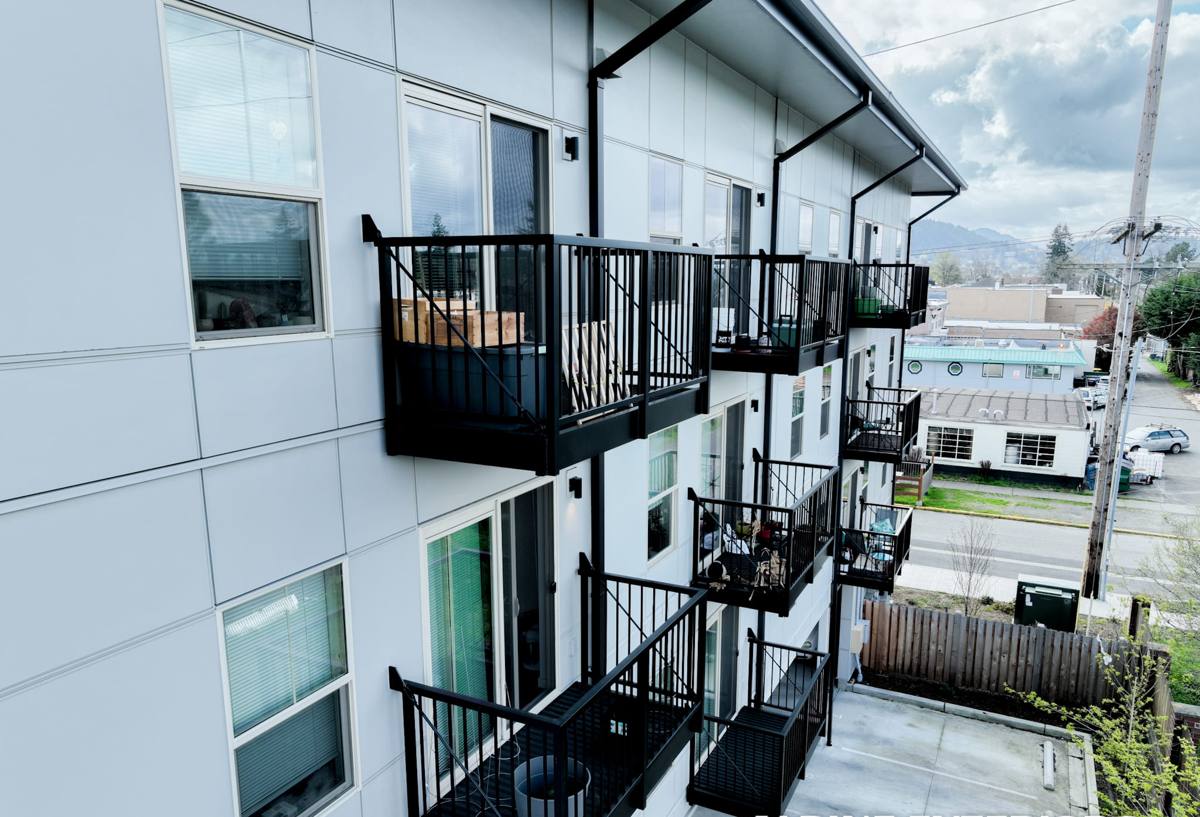
What Edgemoor's Wooded, Water-Facing Lots Mean for a Roof System
Shade and Moisture Retention
Tree canopy is one of the defining features of Edgemoor, and it's a mixed blessing for a roof. Shade keeps homes cooler in summer, but it also means roof surfaces dry more slowly after rain, needles and debris collect in valleys and behind chimneys, and moisture sits longer in those spots than it would on an unshaded roof. Over time, that trapped moisture is what drives granule loss, decking rot, and moss growth that lifts shingle edges.
Salt Air and Exposed Components
Proximity to the bay means airborne salt settles on roof surfaces and hardware even on days without a storm. Standard fasteners and flashing can corrode faster in this environment than the same materials would a few miles inland. It's a detail that's easy to overlook when a roof is installed but expensive to ignore once it starts leaking at a rusted flashing seam.
Signs an Edgemoor Roof Needs Full Replacement, Not Another Repair
Repairs make sense when a roof has isolated damage and the rest of the system is sound. Replacement becomes the honest recommendation when the roof as a whole is past the point where patching adds real service life. Here's what we look for:
- Granule loss heavy enough to show bald or shiny patches on the shingle surface
- Moss established under shingle tabs, not just on the surface — this lifts shingles and lets water track underneath
- Soft, spongy, or bouncy spots when walking the roof, which usually means the decking underneath has taken on moisture
- Daylight visible through the roof boards from inside the attic
- Leaks that keep reappearing in different spots after repairs, rather than staying fixed
- Widespread curling, cracking, or cupping shingles, especially on south- and west-facing slopes
- Asphalt shingles at or past the 20–25 year mark, which is a realistic service life for this climate even with good maintenance
- Chronic staining or wear concentrated in valleys and around chimneys or skylights
If a roof shows two or three of these at once, replacement is almost always the more cost-effective path than continuing to chase individual repairs.
Choosing a Roofing Material for This Climate
There's no single "best" roofing material — the right choice depends on how much moss and salt exposure a specific lot deals with, the roof's pitch and shade level, and what the homeowner wants to maintain long-term. Here's how the common options compare for a shaded, coastal Whatcom County lot:
| Material | Moss/Algae Resistance | Salt Air Durability | Maintenance | Typical Lifespan |
|---|---|---|---|---|
| Architectural asphalt shingle (standard) | Moderate | Good with coated fasteners/flashing | Periodic moss treatment recommended | 20–25 years |
| Algae-resistant asphalt shingle | Higher — built in | Good with coated fasteners/flashing | Lower than standard shingle | 25–30 years |
| Standing seam metal | High — sheds moisture, little for moss to grip | Excellent when coastal-rated coatings/fasteners are used | Low | 40–50+ years |
| Cedar shake | Low without diligent upkeep | Fair — needs regular treatment | High — regular cleaning and treatment required | 20–30 years with upkeep |
Why We Steer Most Edgemoor Homeowners Toward Algae-Resistant or Metal Options
This isn't a knock on any manufacturer or product — it's about matching the material to the site. Cedar shake is a beautiful, traditional roofing material, but it performs best in drier, sunnier conditions where it can dry out fully between rains. On a shaded Edgemoor lot with year-round moisture, cedar needs a level of ongoing treatment and cleaning most homeowners don't want to keep up with, and neglecting that maintenance shortens its life significantly. Algae-resistant asphalt shingles use copper- or zinc-infused granules that slow moss and algae growth at the surface, and standing seam metal simply gives moss very little to hold onto in the first place. Both are honest, lower-maintenance answers to this specific climate.
What a Correct Tear-Off and Replacement Actually Involves
A roof replacement is only as good as what happens underneath the shingles. On an Edgemoor project, the details that matter most are the ones that address moisture and wind-driven rain directly:
- Full tear-off to bare decking, with the deck inspected board by board for soft spots or rot before anything new goes down
- Any damaged decking replaced — never covered over
- Ice-and-water shield membrane at eaves, valleys, and around penetrations, where wind-driven rain is most likely to work its way under standard felt
- A synthetic underlayment rated for extended exposure and wet-climate performance
- New flashing at every chimney, skylight, dormer, and wall intersection — reusing old flashing is a common shortcut that leads to leaks within a few years
- Corrosion-resistant fasteners appropriate for a coastal environment
- A fastening pattern and drip edge detail sized for wind exposure off the water
Ventilation: The Detail That Determines How Long the New Roof Lasts
Ventilation doesn't get much attention from homeowners, but it's often the difference between a roof that meets its expected lifespan and one that fails early. A roof needs balanced intake (typically at the soffits) and exhaust (typically at the ridge) so warm, moist air escapes the attic instead of condensing against the underside of the decking. Under heavy tree cover, with humidity already elevated for much of the year, poor ventilation compounds the problem — trapped moisture can rot decking from underneath even while the shingles above look fine. We check and correct ventilation as part of every replacement, not as an upsell after the fact.
What Drives the Cost of a Roof Replacement in Edgemoor
Every roof is priced on its own specifics, but the factors that move the number are consistent. Rather than quote figures that don't mean much without seeing the roof, here's what actually affects cost:
| Factor | Why It Matters |
|---|---|
| Roof pitch and complexity | Steep or cut-up rooflines with multiple valleys and dormers take longer and require more flashing work |
| Number of existing layers | Removing multiple old layers adds labor and disposal cost versus a single-layer tear-off |
| Decking condition | Rot or soft spots found during tear-off mean replacement boards, which is billed as it's found, not guessed at upfront |
| Material choice | Standard asphalt, algae-resistant asphalt, and metal carry different material and installation costs |
| Site access | Tree cover, slope, and tight or shared driveways common in Edgemoor can affect staging and disposal logistics |
| Permitting | Permit and inspection requirements add a modest cost but are a standard, necessary part of the process |
Our Process for an Edgemoor Roof Replacement
- On-site assessment. We inspect the existing roof, attic ventilation, and decking condition, and walk the property to account for tree cover, slope, and access.
- Material and scope review. We go over the material options above in plain terms, matched to the shade and exposure of that specific roof, and put together a written scope.
- Site protection. Landscaping, decks, and driveways get covered or protected before tear-off begins — a real consideration on wooded, tightly landscaped lots.
- Tear-off and deck inspection. Old roofing comes off down to the decking, which is inspected and repaired as needed before anything new is installed.
- Installation. Underlayment, flashing, ventilation, and the finish material go in to manufacturer specification, with extra attention to valleys, penetrations, and edges.
- Cleanup and magnetic sweep. The site is cleared of debris and swept for stray nails and fasteners before we consider the job done.
- Final walkthrough. We review the finished roof with the homeowner and cover any care or warranty details before wrapping up.
Why Hiring a Crew That Already Works in Edgemoor Matters
A roofer who hasn't worked this neighborhood before is learning on your project — figuring out how to stage material on a wooded lot, how steep the driveway access really is, or which flashing details actually hold up against salt air and driving rain off the bay. A crew that already knows Edgemoor's lots, Bellingham's permitting process, and Whatcom County's wet-climate demands isn't guessing at any of that. That familiarity shows up in fewer surprises during the project and a roof that's built correctly for the site it's actually on, not a generic installation.
If you're weighing repair versus replacement, or just want an honest look at what your roof needs, we're glad to come out and take a look. The estimate is free, there's no pressure, and you'll get a straight answer about what your roof actually needs — use the form below to get started.