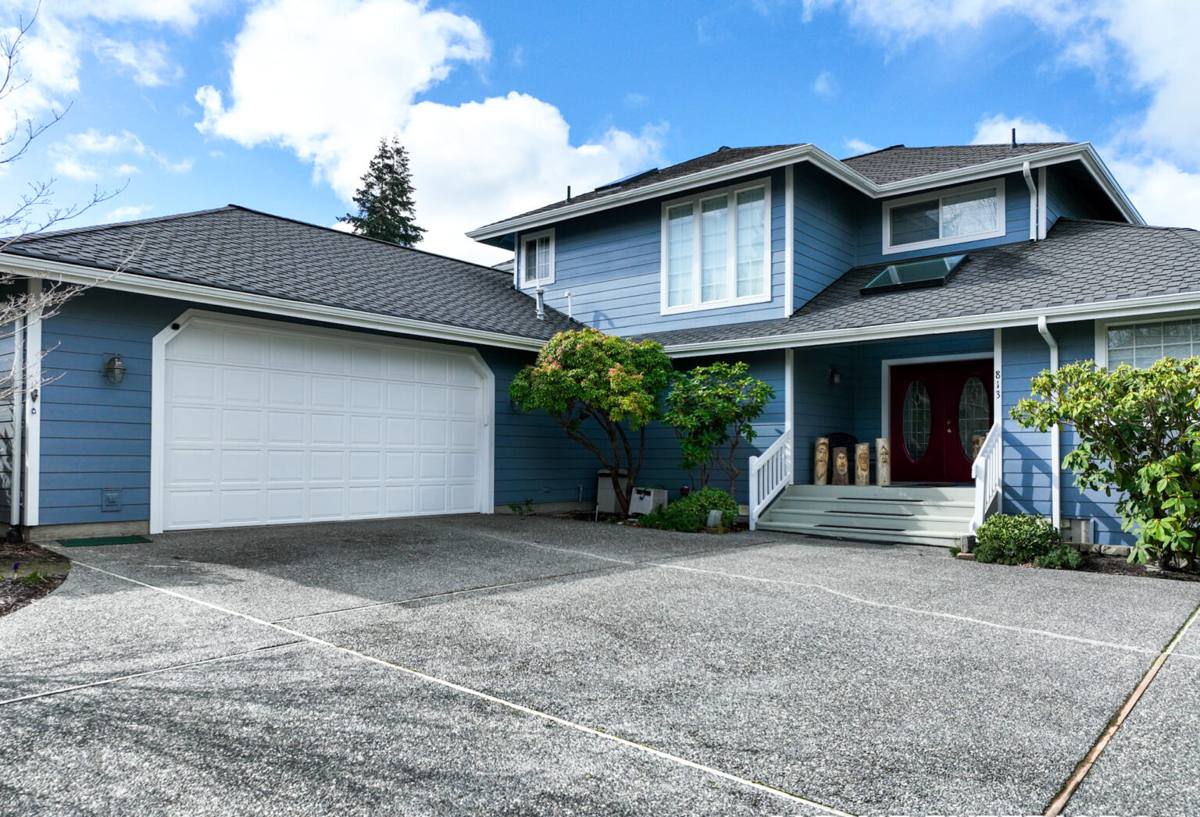
 Bellingham Exterior
 Windows Built for Sehome's Hillside Climate
Sehome sits on rising ground above downtown Bellingham, close enough to Bellingham Bay that salt-laden air reaches the neighborhood on a regular basis, and shaded enough by mature trees that moisture lingers longer than it does in more open parts of Whatcom County. That combination is hard on windows. Salt air accelerates corrosion on hardware and fasteners, driving rain off the bay tests every seal and flashing detail, and the long moss season keeps humidity high against exterior walls for months at a time. Windows that were installed correctly shrug this off for decades. Windows that were installed with shortcuts start failing within a handful of years — fogging between panes, soft trim, drafts that show up the first cold snap of the season.
We install windows in Sehome the way this climate demands, not the way a generic install guide describes. That means paying close attention to flashing sequence, drainage, and sealant choice on every job, whether it's one window or a full-house replacement.
How the Local Climate Actually Damages Windows
Salt Air and Hardware
Homes closer to the bay see faster corrosion on window hardware — hinges, cranks, locks, and screws — than homes further inland. Cheaper fastener packages and unprotected steel components corrode from the inside out, which is why hardware quality matters as much as the glass package itself.
Driving Rain
Storms moving in off the water don't just fall straight down; wind-driven rain gets pushed sideways into wall assemblies and window openings. A window can be plumb, level, and square and still leak if the flashing and weather-resistive barrier underneath it weren't integrated correctly. Most leaks we're called to diagnose in this neighborhood trace back to flashing, not the window unit itself.
Moss Season and Shade
Sehome's tree cover keeps a lot of exterior wall area shaded and slow to dry after a storm. Extended dampness against siding and trim is exactly the environment moss, algae, and eventually wood rot need to get established. Window openings framed in wood or with wood trim are especially exposed if the surrounding siding isn't shedding water away from the opening.
Signs Your Sehome Home's Windows Need Attention
- Fogging or a milky haze between the panes of a double- or triple-pane unit — the seal has failed and the gas fill is gone
- Soft, discolored, or spongy trim and sill material around the frame
- Visible daylight or a draft you can feel with your hand along the frame edge
- Windows that are difficult to open, close, or lock — often a sign the frame has shifted or swollen
- Paint or finish that's peeling from the inside face of the frame, which usually points to trapped moisture
- Musty smell or visible mold near the window stool or lower corners of the opening
- Noticeably higher heating bills without another explanation
What a Correct Window Installation Actually Involves
A window installation is a wall assembly project, not just a box swapped into a hole. The window itself is often the easy part. Getting the surrounding opening right is what determines whether it lasts.
The Opening
Before a new window goes in, the opening gets inspected for rot, checked for square and level, and prepped so the window sits in a plane that sheds water outward. On older Sehome homes this step sometimes turns up rot or old, undersized framing that needs correction before the window can be trusted to perform.
Flashing and Drainage
Flashing tape and pan flashing at the sill direct any water that gets past the window back out of the wall, rather than letting it pool against framing. This is the single most important step for driving-rain performance, and it's also the step that's most often skipped or rushed on lower-quality jobs.
Weather Barrier Integration
The window's flanges need to be woven into the house's weather-resistive barrier in the correct shingle-lap order — bottom, sides, then top — so water always drains down and out rather than getting trapped behind the barrier.
Insulation and Air Sealing
Gaps around the frame get sealed with a low-expansion foam or backer rod and sealant, never packed tight with fiberglass alone, which does little to stop air movement and nothing to stop bulk water.
Interior and Exterior Finish
Trim, sill, and caulk lines are finished so they look right and so every joint that could let water in is sealed with an appropriate exterior-grade sealant, not just painter's caulk.
Choosing the Right Window for This Climate
Material and glass package both affect how a window holds up to salt air and sustained damp. There's no single right answer for every home — it depends on budget, the home's age and style, and how exposed the opening is.
| Factor | Vinyl | Fiberglass | Wood-Clad |
|---|---|---|---|
| Upfront cost | Lowest | Mid to upper | Highest |
| Coastal hardware exposure | Good with quality hardware | Very good | Good, needs more upkeep |
| Maintenance | Low | Low | Higher — periodic finish upkeep |
| Dimensional stability | Moderate — expands/contracts with temp swings | High — closest to wood's expansion rate | High |
| Best fit | Budget-conscious replacements | Higher-exposure walls, long-term owners | Older or architecturally detailed homes |
For glass, we default to argon-filled double-pane low-E units for most Sehome homes — Bellingham's climate doesn't usually justify the added cost of triple-pane unless a homeowner has a specific noise or energy goal, though we'll spec it if that's what the project calls for. We steer away from certain composite trim and cladding products in high-moisture, low-sun locations not because the products are bad in general, but because they carry more installation sensitivity and maintenance obligation than we think is a fair trade-off for a shaded wall that stays damp for days after a storm. That's a judgment call we're glad to walk through on a specific home.
Our Installation Process
- On-site assessment — we look at the existing openings, siding condition, and any signs of past water intrusion before quoting anything
- Product selection — we walk through material, glass package, and grille options that fit the home's age and your budget
- Written estimate — clear scope, materials, and price, no vague allowances
- Opening prep — removal of the old unit, framing repair if needed, and inspection for hidden rot
- Flashing and install — pan flashing, weather barrier integration, and the new window set plumb, level, and square
- Insulation, sealing, and trim — air sealing, interior/exterior trim, and final caulk lines
- Walkthrough — we check operation on every window with you before we call the job done
Why Hire a Crew That Already Works in Sehome
Sehome has a mix of older homes with original wood-frame openings and newer infill construction, often on lots with mature trees and hillside grading that affects how water moves around the foundation and walls. A crew that's worked this neighborhood before recognizes the difference between a wall assembly that needs a straightforward window swap and one that needs framing repair first — and quotes accordingly instead of finding out mid-job. We're also familiar with Bellingham's permit requirements for window replacement, which keeps the project moving instead of stalling on paperwork.
Just as important: we know what this specific stretch of Whatcom County throws at a window install. A crew based somewhere drier or more inland can install a technically fine window and still miss the flashing detail that matters most for wind-driven rain off the bay, or underestimate how long a shaded wall stays wet after a storm.
Keeping New Windows Performing in a Coastal-Adjacent Climate
- Rinse hardware and tracks periodically to clear salt residue, especially on homes with more direct bay exposure
- Check exterior caulk lines once a year and re-seal any that have cracked or pulled away
- Keep gutters and downspouts clear so water isn't sheeting down the wall past window openings
- Trim back vegetation that's shading a window opening and keeping it from drying out between storms
- Operate every window a few times a season, even ones you rarely open, so hardware doesn't seize
- Address any soft trim or discoloration right away rather than waiting — moisture damage compounds quickly in a shaded, damp wall
What to Expect for Timeline and Disruption
Most single-window replacements are a same-day job. A full-house replacement is typically staged over several days so the home isn't left with open walls overnight, and we sequence work around weather when driving rain is in the forecast. We'll give you a realistic schedule up front, including how many windows we can reasonably do per day given the prep each opening needs.
If your Sehome home has windows that fog, draft, or stick, or you're planning a full replacement and want it done right the first time, we're happy to take a look and put together a straightforward, no-pressure estimate. Use the form below to get started.