 Bellingham Exterior
 Window Installation in Lynden: What Local Homes Are Up Against
Lynden sits inland from the Sound, but that doesn't spare it from what Whatcom County weather does to a house. Wind-driven rain off the water still pushes through this part of the county for months at a time, humidity sits high in the shoulder seasons, and the long stretch of gray, wet months every year gives moss and algae plenty of time to take hold on anything that stays damp. Windows are one of the first places all of that shows up, because a window is really a hole in the wall with moving parts and seals that are only as good as the installation behind them.
We install windows on Lynden homes as part of our regular Whatcom County work, not as a side trip. That matters because window installation done right isn't really about the window itself — it's about how it's tied into the wall, flashed against the weather, and sealed so water has nowhere to go but back outside.
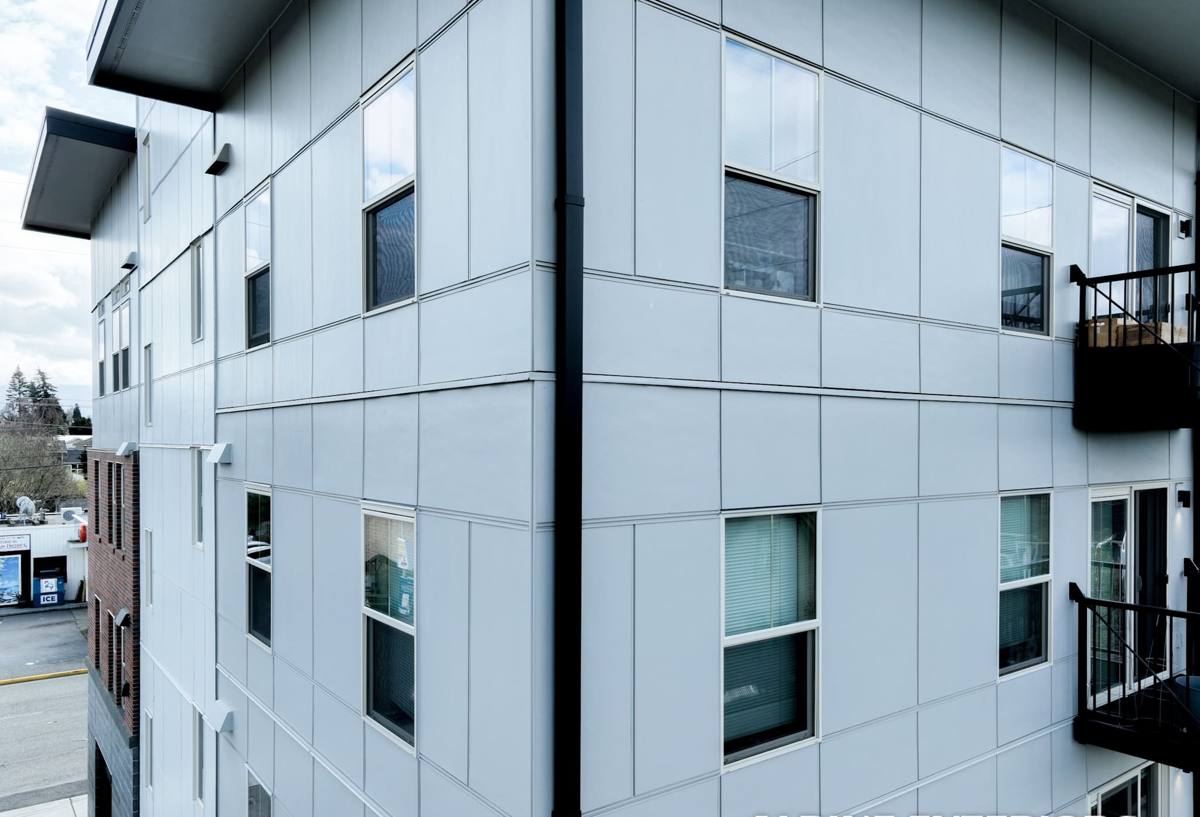
What This Climate Does to Old Windows Over Time
Driving Rain and Wind-Driven Moisture
Rain that falls straight down is easy to shed. Rain that's being pushed sideways by wind is a different problem — it gets forced up under trim, into gaps around the frame, and behind flashing that was never lapped correctly in the first place. Older installations, especially ones done before proper flashing tape and sill pans were standard practice, are the ones most likely to show water staining, soft trim, or a slow rot problem building inside the wall cavity long before it's visible from indoors.
Moss, Algae, and a Long Damp Season
Whatcom County's moss season isn't limited to roofs and siding. Wood sills, sash tracks, and exterior trim around older windows collect the same organic growth when they stay damp for weeks at a stretch. Beyond the cosmetic issue, moss and algae hold moisture against wood and painted surfaces, which speeds up rot and paint failure right at the joints where a window is most vulnerable.
Temperature Swings and Condensation
Whatcom County doesn't get brutal cold, but it does get a lot of damp, chilly nights followed by milder wet days, and that swing is exactly what drives condensation on single-pane and older double-pane glass. Persistent condensation between the panes is a sign the seal has already failed — it's not a cleaning problem, it's a sign the insulated glass unit needs to be replaced.
Signs a Lynden Home Needs Window Replacement, Not Just Repair
Not every window problem calls for full replacement. But when several of these show up together, patching individual symptoms usually costs more over time than doing the job right once.
- Fog or moisture trapped between the panes of double-pane glass
- Wood sills or jambs that are soft, spongy, or visibly rotted
- Windows that are difficult to open, close, or lock — often a sign the frame has shifted
- Visible daylight or a draft around the frame when the window is fully closed
- Paint that keeps failing or bubbling in the same spots season after season
- Noticeably higher heating bills in a home with older, single-pane, or aluminum-frame windows
- Moss or dark staining building up on the sill or lower trim year after year
What a Correct Window Installation Actually Involves
Removal Without Damaging What's Around It
Pulling an old window out cleanly, without tearing up the siding or sheathing around the opening, sets the tone for the whole job. Rushing this step is how small existing damage gets hidden instead of found and fixed — and hidden damage is exactly what causes problems two or three years later.
Flashing and Weatherproofing — the Part No One Sees
This is the step that actually determines whether a window will leak in five years. A correct installation includes a sloped sill pan so any water that gets past the glass drains back outside instead of into the wall, side and head flashing that's properly lapped with the house's weather-resistive barrier, and flashing tape sequenced so every layer sheds water downward onto the layer below it — never the other way around. Skipping or rushing this step is the single most common cause of window-related water damage we see in older Whatcom County homes.
Insulation, Air Sealing, and Fit
The gap between the window frame and the rough opening needs to be filled with a proper low-expansion insulating foam or backer rod and sealant — not stuffed with fiberglass batting, which does little to stop air movement and nothing to stop bulk water. A window that fits square and plumb in its opening also operates more smoothly and seals better over the long run than one that was forced into a slightly out-of-square hole.
Trim, Caulking, and Finish Work
Exterior trim gets reinstalled or replaced, joints get caulked with a sealant rated for exterior exposure, and interior trim and sills get finished cleanly. This is also the point where a good installer checks that the window operates correctly under its own weight and hardware before calling the job done.
Choosing Window Materials for This Climate
There's no single "best" window material — the right choice depends on your home's age, siding, budget, and how much upkeep you want to take on. Here's how the common options actually compare for a wet, moss-prone climate like this one.
| Frame Material | Moisture Performance | Maintenance |
|---|---|---|
| Vinyl | Doesn't rot, swell, or need repainting; performs well in wet climates | Low — occasional cleaning |
| Fiberglass | Very stable in wet/dry cycles, resists warping | Low — can be painted if desired |
| Wood (clad exterior) | Good insulation, but exposed wood needs protection from driving rain | Moderate to high — finish upkeep, especially on the exterior face |
| Aluminum | Prone to condensation and thermal transfer in our climate unless thermally broken | Low, but performance trade-offs are significant here |
For most Lynden homes, we lean toward vinyl or fiberglass because they hold up to sustained wet weather without the ongoing finish maintenance that wood exteriors demand. We'll still install what fits your home and your goals — this is about giving you the honest trade-offs, not steering everyone to one product.
Our Window Installation Process
- On-site assessment. We look at your existing windows, the condition of the surrounding trim and sheathing, and how the home is oriented to wind and rain before recommending anything.
- Written estimate. You get a clear scope of work and price before any work is scheduled — no surprise add-ons mid-project.
- Careful removal. Old units come out without unnecessary damage to siding, trim, or interior finishes.
- Inspection of the opening. Any rot, soft sheathing, or prior flashing mistakes get addressed before the new window goes in — not covered up.
- Installation, flashing, and sealing. The new window is set square and plumb, flashed correctly, insulated around the frame, and sealed.
- Trim and finish work. Exterior and interior trim are completed and the site is cleaned up.
- Final walkthrough. We check operation, hardware, and seals with you before we consider the job finished.
What Window Installation Costs in Lynden — and Why
Pricing varies by project, but the same handful of factors drive most of the difference between jobs. We'll walk through these with you during your estimate rather than quoting a number blind.
| Factor | Why It Affects Price |
|---|---|
| Number and size of windows | More openings and larger glass units mean more material and labor |
| Frame material | Vinyl, fiberglass, and clad-wood units are priced differently per unit |
| Condition of the existing opening | Rot or prior flashing damage found during removal adds repair work before the new window goes in |
| Full-frame vs. insert replacement | Full-frame replacement (removing down to the rough opening) costs more than an insert but is often the right call when the old frame or flashing is compromised |
| Glass package | Low-E coatings, gas fills, and impact-rated glass all add cost but affect efficiency and durability |
| Trim and siding tie-in | Matching or repairing surrounding trim and siding adds time and material |
Why Hire a Crew That Already Works in Lynden
A window installer who works regularly in Whatcom County has already seen how houses of this area's common ages and construction types tend to be built, where flashing mistakes typically hide, and how much moss and moisture exposure a given exterior actually deals with over a normal year. That's not a guess — it's pattern recognition built from doing this work locally, repeatedly, in this specific climate rather than a generic install anywhere in the country.
It also matters for accountability. A crew based in the region isn't disappearing after the invoice clears — if a seal needs a second look or a question comes up six months later, you're not chasing down a company that only passed through once.
If your windows are drafty, fogged, hard to operate, or just overdue, we're happy to take a look and give you a straight answer about what's actually needed — no pressure, no inflated scope. Use the form below to request a free estimate for your Lynden home.