 Bellingham Exterior
 Windows Built for the Silver Beach Climate
Silver Beach homes sit close enough to the water and tree cover that they take a different kind of weather beating than houses further inland. Between the salt-laden air moving in off the water, driving rain that hits siding and window walls at an angle for months at a time, and a moss season that can stretch from fall through spring, the building envelope around a window opening works harder here than in drier parts of Whatcom County. Window installation in this neighborhood isn't just about picking a product and setting it in the hole — it's about managing water and moisture at every layer of the assembly, because a window that's installed even slightly wrong will show it within a year or two.
We've worked on enough homes in and around Silver Beach to know the patterns: single-pane wood windows original to the house that have gone soft at the sill, aluminum-frame replacements from decades past that sweat and fog in winter, and newer vinyl units that were installed without proper flashing and are already letting water into the wall cavity. The fix isn't always "replace the window" — sometimes it's fixing how the opening was built in the first place.
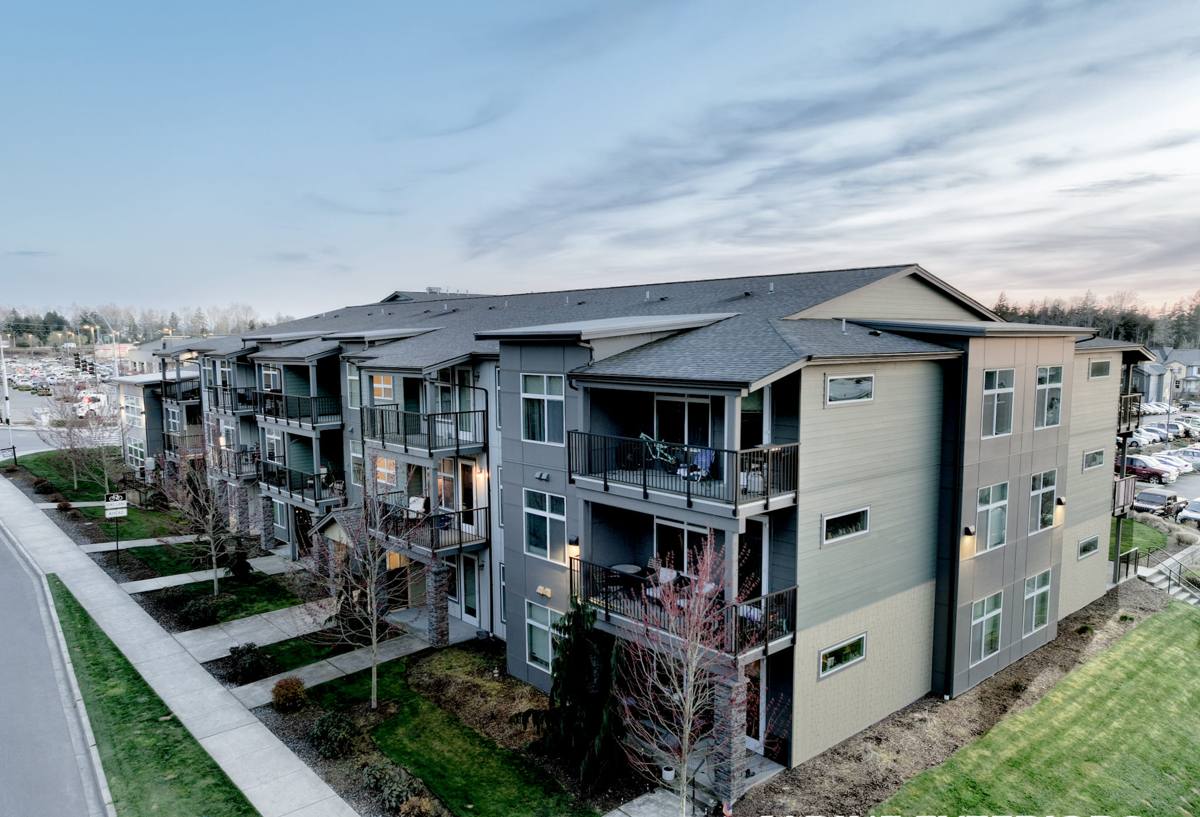
What Local Homes Need From a Window Installation
Moisture Management First
In a climate with this much sustained rain, the single most important part of a window installation is what you don't see once the trim is back on: the flashing, the sill pan, and how the window ties into the weather-resistant barrier (housewrap or building paper) behind the siding. Water that gets behind a window opening in a marine climate doesn't dry out on its own between storms — it sits, and it rots sheathing and framing from the inside out.
Standing Up to Salt Air
Homes closer to the water deal with airborne salt that accelerates corrosion on hardware, fasteners, and some window frame materials. That means choosing corrosion-resistant fasteners and hardware, and being honest with homeowners about which frame materials hold up better in a marine environment versus which ones need more upkeep.
Fighting Moss and Algae Growth
A long, damp moss season means anything with a horizontal ledge — a window sill, a mulled unit's connecting bar, an exterior trim cap — becomes a place for moss and algae to take hold if it doesn't shed water properly. Sill design and slope matter more here than in a drier climate, and so does using trim and cladding materials that don't stay wet for days after a storm.
Signs a Silver Beach Home Needs New Windows
- Visible fog, moisture, or mineral staining between the panes of a double-pane window (a failed seal)
- Soft, spongy, or discolored wood at the sill or lower corners of the frame
- Windows that are difficult to open, close, or lock — often a sign the frame has racked or swollen
- Moss or dark streaking building up on the sill or the siding directly below the window
- Noticeable drafts or cold spots near the window on windy, rainy days
- Peeling paint or bubbling on interior or exterior trim around the window opening
- Higher heating bills that don't match the age or size of the home
Getting the Installation Right
Removal and Opening Inspection
We don't just pull the old window and drop in a new one. Once the old unit is out, we inspect the rough opening for rot, insect damage, or past water intrusion. On older Silver Beach homes this step regularly turns up soft framing that needs to be addressed before a new window goes in — installing a new window into a compromised opening just hides the problem for a few more years.
Flashing and Sill Pan
A correctly flashed opening directs any water that gets past the window back out, rather than into the wall. That means a sloped sill pan, properly lapped flashing tape at the jambs and head, and a clean tie-in to the existing weather-resistant barrier so water sheds down and out rather than pooling at the bottom of the opening.
Setting, Shimming, and Insulating
The window has to be plumb, level, and square, shimmed at the right points to support its weight without distorting the frame, and insulated around the perimeter with a material that won't compress over time or trap moisture. Overfilling the gap with the wrong foam is a common mistake that can actually bow window frames inward.
Sealing and Trim
Exterior sealant has to be rated for sustained wet exposure and applied only where it should be — sealant in the wrong place (like across the bottom of a flashing detail) can trap water instead of letting it drain. Trim goes back on last, sloped and caulked to shed water rather than collect it.
Choosing the Right Window for This Climate
There's no single "best" window material — there's a best fit for the home, its exposure, and the owner's tolerance for maintenance. Here's how the common options generally compare for a marine, high-rainfall climate like this one:
| Material | Moisture Performance | Maintenance | Typical Lifespan |
|---|---|---|---|
| Vinyl | Good — won't rot, handles moisture well | Low | 20-30 years |
| Fiberglass | Very good — dimensionally stable in wet/dry cycling | Low | 30-40+ years |
| Wood (clad exterior) | Good exterior protection, but interior wood still needs care | Moderate to high | 20-40 years with upkeep |
| Aluminum | Prone to condensation and corrosion near salt air unless thermally broken | Moderate | 15-25 years |
For homes closer to the water, we generally steer clients away from bare aluminum frames and uncoated hardware because of how salt air accelerates corrosion over time — that's a maintenance and longevity call, not a knock on the material everywhere it's used. Vinyl and fiberglass tend to be the lower-maintenance choices for this specific setting, while clad-wood windows remain a solid option for homeowners who want a wood interior look and are willing to keep up with painting or staining.
Energy Performance in a Pacific Northwest Winter
Whatcom County winters aren't extreme by national standards, but the combination of dampness and wind means a poorly sealed window costs more in comfort and heating bills than the U-factor rating alone suggests. We generally recommend double-pane, low-E glass as the practical baseline for this climate, with attention paid to the whole-window U-factor and air infiltration rating — not just the glass package — since a great pane of glass in a poorly sealed frame still leaks air.
Our Process for Silver Beach Projects
- On-site assessment — we look at existing windows, siding condition, and any signs of past water intrusion before recommending anything
- Honest scope and estimate — a clear breakdown of what's being replaced, what the flashing and sealing plan is, and what it costs
- Careful removal — old units come out without unnecessary damage to surrounding siding or trim
- Opening repair if needed — any rot or damage found gets addressed before the new window goes in
- Installation to manufacturer and code specifications — proper flashing, shimming, insulation, and sealing
- Site cleanup and walkthrough — we show the homeowner the finished work and how everything operates
Why a Crew That Already Works Silver Beach Matters
A window installer who works this neighborhood regularly has already seen how the local combination of driving rain, salt air, and moss season affects window openings over the years — which framing details tend to fail first, which sill designs actually shed water, and which materials hold up without turning into a maintenance project. That local pattern recognition is hard to replicate on a one-off job from a crew that doesn't normally work this stretch of Bellingham. It also means faster response if a warranty question or minor adjustment comes up after the install, rather than waiting on a company with no regular presence in the area.
What to Ask Before Hiring Anyone for This Job
- Do you flash and seal the opening yourselves, or is that left to a subcontractor?
- What's your plan if you find rot or water damage once the old window is out?
- What warranty covers the installation itself, separate from the manufacturer's product warranty?
- Are you licensed and insured to do this work in Washington State?
- Can you explain, in plain terms, why you're recommending a specific frame material for this house?
If you're seeing fogged glass, soft sills, or drafts around your windows in Silver Beach, we're glad to take a look and give you a straightforward, no-pressure estimate — just fill out the form below and we'll get back to you.