 Bellingham Exterior
 Roof Repair in Barkley: A Different Set of Problems Than Inland Homes
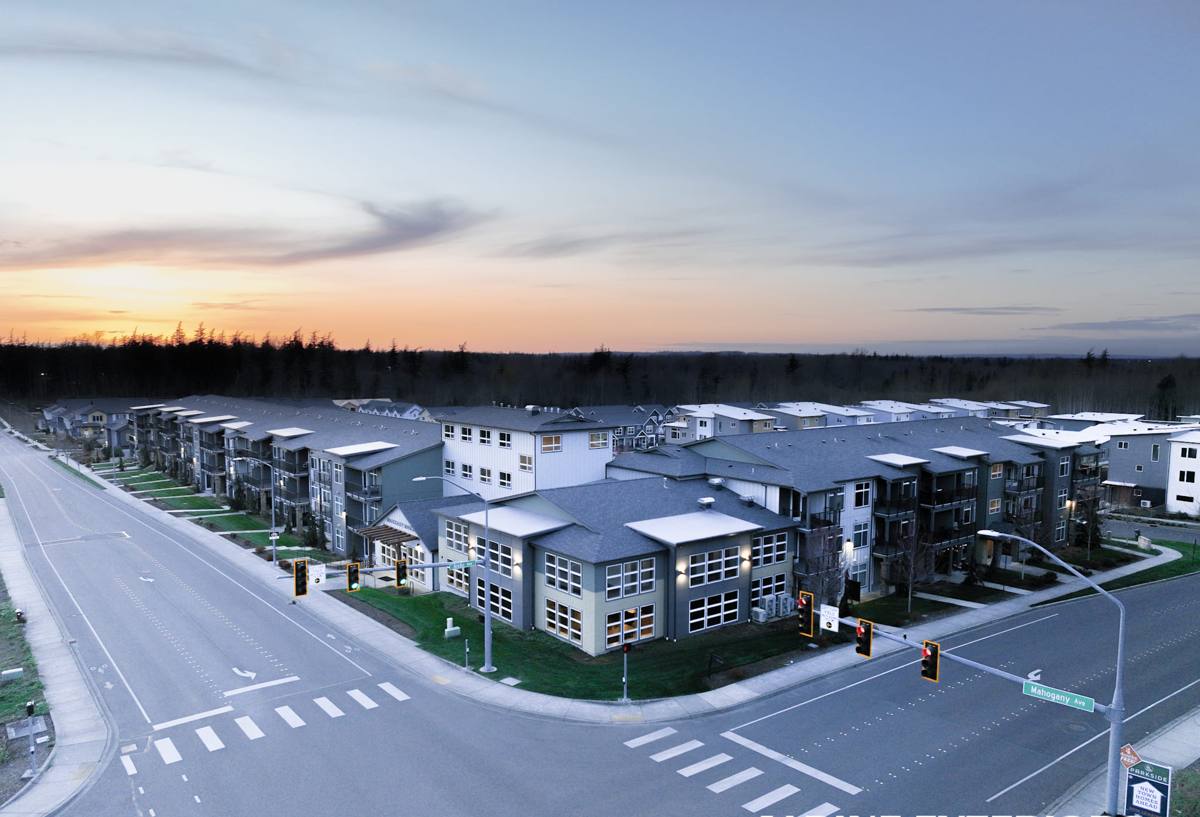
Barkley is one of Bellingham's more established mixed residential areas, with a blend of newer builds and older homes that have been through a few decades of Whatcom County weather. Roofs here don't fail the way roofs fail in drier parts of the country. They fail slowly, from the top down, through moisture that never fully dries out, metal that corrodes a little more every winter, and moss that takes hold faster than most homeowners expect. A repair that doesn't account for that climate reality is a repair that gets redone in two or three years.
We work on roofs across Bellingham and the surrounding Whatcom County area, and Barkley homes see the same core issues over and over: valleys and flashing that let water in during driving rain, shingles that lose their granules early because of constant damp, and moss that spreads across north-facing slopes almost every year. A good repair fixes the actual problem, not just the leak you happened to notice.
What Bellingham's Climate Does to a Roof Over Time
Salt Air and Slow Corrosion
Bellingham sits close enough to Bellingham Bay and the Salish Sea that salt-laden air is part of daily life for every roof in the area, Barkley included. Salt air speeds up corrosion on anything metal — flashing, fasteners, roof vents, gutter hardware. A nail or flashing seam that would last twenty years somewhere inland can start rusting and losing its seal in half that time here. Once corrosion starts on a fastener or a flashing edge, it doesn't stop on its own, and it's usually where the next leak shows up.
Driving Rain and Wind-Driven Water
Whatcom County storms don't just drop rain straight down — wind pushes it sideways, up under shingle edges, and into any gap in flashing or trim. A roof that would shed a light, straight-down rain just fine can still leak in a wind-driven storm if the underlayment, flashing laps, or shingle overlaps aren't installed with that in mind. This is one of the most common reasons a roof "randomly" leaks only during certain storms — it's not random at all, it's wind direction finding a weak point.
The Long Moss Season
Bellingham's moss season runs long — shaded, north-facing, and low-slope roof sections can stay damp for months at a stretch, which is exactly what moss and algae need to take hold. Moss doesn't just look bad. It lifts shingle edges, holds moisture against the roof deck, and works its way into seams over time. Left alone, a mossy roof section ages faster than the rest of the roof and starts leaking well before it should.
Common Roof Repair Calls We Get in Barkley
Moss and Organic Growth Damage
Thick moss growth on shaded slopes, usually paired with granule loss underneath and soft spots where moisture has been sitting against the deck the longest.
Flashing Failures at Valleys, Chimneys, and Skylights
Flashing is where most real leaks start. Valleys collect the most water on a roof, and any gap, rust-through, or improperly lapped seam around a chimney or skylight becomes an entry point during heavy or wind-driven rain.
Fastener and Metal Corrosion
Rusted nail heads, corroded drip edge, and pitted flashing are common on older Barkley roofs that were built or last re-roofed before corrosion-resistant fasteners and flashing were standard practice.
Gutter and Roof-Edge Rot
Where gutters overflow or hold standing water because of debris and moss runoff, the fascia and roof edge behind them can soften and rot, which turns a gutter problem into a roofing problem.
What a Correct Repair Actually Involves
A roof repair that's done right starts with figuring out where the water is actually coming from, not just where it's showing up inside the house. Water travels — a stain on a bedroom ceiling can trace back to a flashing gap six feet away. Skipping that step is how homeowners end up paying for the same leak twice.
- Tracing the leak or damage back to its actual source, not just the visible symptom
- Checking the roof deck underneath for soft spots, rot, or moisture damage before closing anything back up
- Matching shingle type, color, and profile as closely as possible so the repair doesn't stand out
- Using corrosion-resistant fasteners and flashing appropriate for a salt-air coastal climate
- Re-sealing and re-lapping flashing correctly rather than relying on caulk or sealant as the primary fix
- Clearing moss and treating the surface so growth doesn't immediately return in the repaired area
Caulk and roofing cement have their place, but they're not a substitute for proper flashing and shingle work. A repair that leans on sealant alone tends to fail again within a season or two, especially with the amount of wind-driven rain this area gets.
Our Roof Repair Process
Inspection and Diagnosis
We start on the roof itself, not just the ceiling stain inside. That means checking flashing, valleys, penetrations, moss coverage, and the general condition of the surrounding shingles or roofing material, since a leak is rarely an isolated problem.
A Clear, Written Estimate
Before any work starts, you get a straightforward explanation of what's actually wrong, what we recommend to fix it, and what that will cost — no vague line items, no pressure to upgrade to a full replacement unless the roof genuinely needs it.
The Repair Itself
Repairs are done to match the existing roof as closely as possible and built to hold up to the same wind-driven rain and salt air that caused the original damage, not just to look fixed on a dry day.
Cleanup and Follow-Up
We clear debris, old materials, and moss buildup from the work area, and we're straightforward about what to keep an eye on afterward — especially if the rest of the roof is getting close to needing attention.
Repair or Replace? How We Help You Decide
Not every damaged roof needs to come off. The table below covers the general signals we weigh when advising a Barkley homeowner one way or the other — every roof is judged on its own condition, not a fixed rule.
| Signal | Usually Points to Repair | Usually Points to Replacement |
|---|---|---|
| Age of roof | Well within expected lifespan | At or past expected lifespan for the material |
| Extent of damage | Isolated to one section or feature | Spread across multiple slopes or the whole roof |
| Decking condition | Solid, no widespread rot | Soft, rotted, or damaged in multiple areas |
| Moss and granule loss | Localized, surface-level | Widespread, with visible shingle deterioration |
| Leak history | First occurrence or isolated cause | Recurring leaks in different spots over time |
What Affects the Cost of a Roof Repair
Costs vary a fair amount depending on the specifics of the job, but the main factors are consistent from house to house. We break these down clearly in every estimate rather than giving a single number with no explanation behind it.
| Factor | Why It Matters |
|---|---|
| Size and location of the damaged area | Small, accessible spot repairs cost far less than large or hard-to-reach sections |
| Roof pitch and access | Steeper roofs and limited access require more time, staging, and safety equipment |
| Roofing material | Asphalt shingle, metal, and cedar shake each require different repair techniques and materials |
| Underlying deck condition | Rotted decking discovered during the repair adds material and labor to replace it |
| Flashing and detail work involved | Valleys, chimneys, and skylights take more time and precision than open field shingle repair |
| Moss or debris removal needed | Heavy growth adds cleanup time before the actual repair can begin |
Working With Different Roof Types Around Barkley
Barkley homes are covered mostly in asphalt shingle, with a fair number of metal roofs and some older cedar shake still in place. Each material behaves differently in this climate, and repairs need to reflect that.
Asphalt shingle is the most common and generally the most straightforward to repair and color-match, provided the existing shingle line isn't too discontinued or weathered to blend a patch. Metal roofing holds up well against moss but is more sensitive to fastener corrosion and seam integrity, so repairs focus heavily on sealing and matching the existing panel profile. Cedar shake looks good and has its fans, but it's also the material most affected by our long moss season and constant damp — it needs more frequent maintenance to keep moisture from working into the wood, and we're upfront with homeowners about that maintenance burden when we're asked about it versus other options. None of that means cedar is a bad choice, only that it comes with a higher ongoing care requirement in this specific climate.
Why Hiring a Crew That Already Works in Barkley Matters
A roofer who works across Bellingham and Whatcom County regularly sees how local weather actually behaves on a roof — which slopes hold moss longest, which flashing details tend to fail first in wind-driven rain, and how fast salt air corrodes different metals. That's the difference between a repair that's built for this specific climate and one that's built for weather this area doesn't get.
Local also means faster response when a leak shows up during a storm, and a crew that's easy to reach again down the road if a question comes up about the work. We're not passing through — we're doing roof repairs in this same area on an ongoing basis.
Signs Your Barkley Roof Needs Attention Now
- Water stains or damp spots on ceilings, especially ones that appear only during heavy or wind-driven rain
- Visible moss patches, particularly on north-facing or shaded slopes
- Granules collecting in gutters or at downspout outlets
- Curling, cracked, or missing shingles
- Rust streaks near flashing, vents, or metal roof panels
- Sagging sections along the roofline or around valleys
- Daylight visible through the roof deck from inside the attic
If your roof is showing any of these signs, it's worth having it looked at before the next storm rather than after. We offer free, no-pressure estimates for roof repair in Barkley and the surrounding Bellingham area — fill out the form below and we'll take a look and give you a straight answer on what's actually going on.