 Bellingham Exterior
 Custom Windows Built for How Birchwood Actually Weathers
Birchwood homes sit within a stretch of Bellingham that gets the full range of what Whatcom County weather can throw at a house: salt-tinged air moving in off the water, long stretches of driving rain in the fall and winter, and a moss season that seems to start earlier and last longer every year. Windows are one of the first building components to show the wear from that combination, and they're also one of the most expensive to get wrong. This page is about what a correctly done custom window project looks like specifically for homes in this neighborhood — not a generic "why replace your windows" pitch.
Whether you're dealing with old aluminum-frame windows that fog and stick, wood windows with rot starting at the sill, or you're simply ready to upgrade a home's efficiency and comfort, the approach has to account for local exposure, not just the window unit itself.
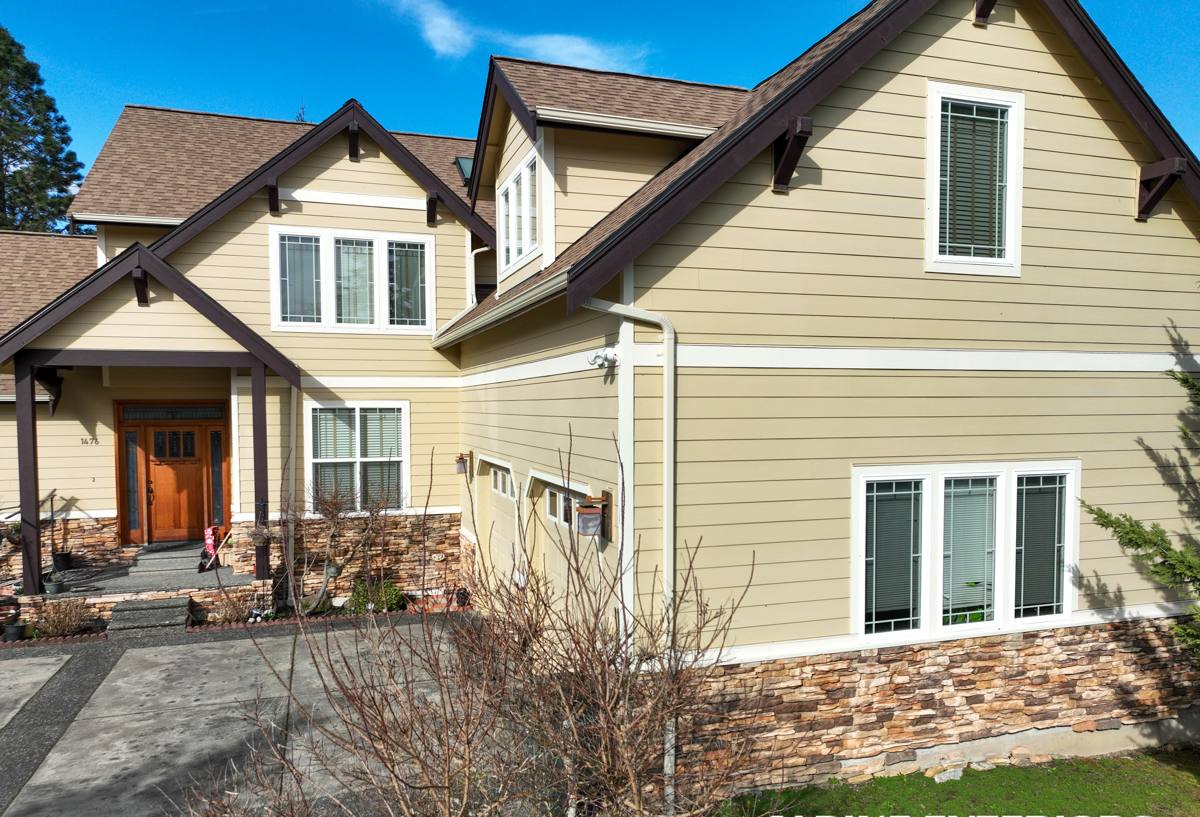
What Birchwood's Climate Does to Windows Over Time
Three conditions do most of the damage here, and they compound each other:
- Salt air: Even homes not directly on the water pick up airborne salt that accelerates corrosion on hardware, fasteners, and unprotected metal frames. Over years this shows up as pitted or seized locks, cranks, and hinges long before the glass itself fails.
- Driving rain: Whatcom County storms don't just fall straight down — wind-driven rain hits windows at an angle, which means flashing, sill pans, and sealant details matter far more here than in a drier climate. A window that would be fine in a low-rain region can leak within a few seasons if it was installed without proper water management.
- Moss and moisture retention: Long damp seasons keep moss and algae established on north-facing walls, trim, and sills for much of the year. That constant moisture load stresses caulk joints, wood trim, and any gaps in the weather barrier around a window opening.
None of these problems are dramatic on their own. They're slow. That's exactly why so many Birchwood homes end up with window damage that's worse than it looks from the outside — the moisture has been working on the framing and sill for years before paint bubbles or a frame goes soft.
Signs a Birchwood Home's Windows Need Attention
You don't need to wait for a window to fail outright. Common early signs we see in this area include:
- Soft or spongy wood at the sill or bottom corners of the frame
- Persistent condensation between panes on double-glazed units (a sign the seal has failed)
- Hardware — cranks, locks, hinges — that's stiff, corroded, or won't fully latch
- Visible moss or dark staining building up on sills or trim that won't stay clean
- Drafts or a noticeable temperature difference near the window in winter
- Peeling or bubbling paint on interior or exterior trim near the frame
Any one of these is worth a look. A few together usually means water has already gotten past the surface and into the framing.
What a Correct Custom Window Installation Involves
"Custom" doesn't just mean a non-standard size — it means the window is built and installed to fit the specific opening, framing condition, and exposure of that wall. For Birchwood homes, a correct job includes:
Accurate Measurement and Opening Assessment
Older homes settle and framing is rarely perfectly square. We measure the actual opening, not the nominal size, and check the condition of the framing and sill before ordering anything. If there's hidden rot or moisture damage, that gets addressed before a new window goes in — installing a good window into a compromised opening just hides the problem for a few more years.
Proper Flashing and Water Management
Given how much wind-driven rain this area sees, the flashing detail around a window matters as much as the window itself. That means a sill pan or sloped sill flashing to direct water back out, correctly lapped house wrap or weather barrier integration, and head flashing that sheds water away from the top of the unit rather than letting it pool.
Sealing and Insulation
Gaps around the frame get sealed with the right materials — low-expansion foam or backer rod and sealant, not just caulk smeared over a gap. This affects both energy efficiency and how well the window resists moisture intrusion over time.
Hardware and Finish Suited to Coastal Air
Where salt air exposure is a factor, we pay attention to hardware finish and material — stainless or coated components hold up longer than bare or lightly finished metal.
Choosing a Frame Material for This Climate
There's no single "best" window material for every home — it depends on the home's style, budget, and how exposed the wall is. Here's how the common options compare for Birchwood's conditions:
| Frame Material | Moisture & Salt Air Performance | Maintenance | Best Fit |
|---|---|---|---|
| Vinyl | Good — won't rot or corrode, holds up well in damp climates | Low — occasional cleaning | Budget-conscious replacements, rental or resale-focused updates |
| Fiberglass | Excellent — dimensionally stable, resists moisture and salt exposure well | Low | Homes with high exposure to wind-driven rain or coastal air |
| Wood (properly clad or maintained) | Fair — needs a sound exterior cladding or consistent upkeep to prevent rot | High if unclad; moderate if clad | Historic or traditional homes where wood interior sightlines matter |
| Aluminum (uncoated/older style) | Poor over time — prone to corrosion and thermal transfer in this climate | Moderate to high | Generally not what we recommend for new installs in this area |
| Aluminum-clad wood | Good — wood interior with a protective exterior shell | Low to moderate | Homes wanting a wood interior look with better weather resistance |
We don't push one material on every job. The right call depends on which wall the window sits on, how much direct weather it takes, and what look you want from inside the house.
Our Process for Birchwood Custom Window Projects
- On-site assessment: We look at the existing windows, framing, and any signs of water intrusion before recommending anything.
- Honest scope discussion: If it's one problem window or a full-home upgrade, we're clear about what's actually needed versus what's optional.
- Accurate custom measurement: Every opening is measured individually — no assuming uniform sizes across a home.
- Proper removal and opening prep: Old units come out carefully, and any hidden rot or damage found during removal is addressed before the new window goes in.
- Installation with correct flashing and sealing: Built around the water-management details this climate demands.
- Final check and walkthrough: Operation, seal, and finish are checked before we call it done.
Why It Matters to Hire a Crew That Already Works in Birchwood
Window installation done wrong doesn't always show up right away — a poorly flashed window can look fine for a year or two before water finds its way in. A crew that regularly works homes in this part of Bellingham has already seen how the local exposure plays out on different wall orientations, roof lines, and framing types common in the area. That familiarity means fewer surprises during the job and installation details that are built for the rain and salt air this neighborhood actually gets, not generic textbook conditions.
It also means we're a known, reachable local outfit if a question comes up after the job is done — not a crew that installed windows here once and moved on.
What Affects the Cost of a Custom Window Project
| Factor | Why It Matters |
|---|---|
| Number and size of openings | More or larger windows means more material and labor |
| Frame material chosen | Vinyl, fiberglass, wood, and clad options carry different material costs |
| Condition of existing framing | Rot repair or reframing adds labor before the new window can go in |
| Access and wall height | Second-story or hard-to-access windows take more time and equipment |
| Custom shapes or sizes | Non-standard openings cost more than stock sizing |
| Trim and finish work | Matching existing interior or exterior trim adds finish labor |
Costs for a single custom window replacement in this area typically range from the low thousands per window for standard vinyl or fiberglass units, up to considerably more for larger, custom-shaped, or wood-clad units with extensive trim work. We'll always give you a specific number for your actual home rather than a vague estimate.
A Simple Checklist Before You Call for an Estimate
- Note which windows are drafty, foggy, or hard to open
- Check sills and trim for soft spots or visible staining
- Take note of any rooms that feel noticeably colder near the window in winter
- Think about whether you want to match existing window style or update the look
- Have a rough idea of your priority: energy efficiency, appearance, or fixing active water damage
Bringing this information to your estimate helps us give you a more accurate scope and price on the first visit.
Ready for an Honest Look at Your Windows?
If you're in Birchwood and dealing with drafty, foggy, or aging windows — or just planning ahead before the next wet season sets in — we're glad to come take a look. The estimate is free, there's no pressure, and you'll get a straight answer about what your home actually needs. Use the form below to get started.