 Bellingham Exterior
 Siding Replacement Built for Birchwood's Climate
When siding on a Birchwood home finally reaches the end of its life, it rarely goes out with one dramatic failure. It's usually a slow accumulation — a soft spot near the bottom of a wall, paint that won't hold anymore no matter how often it's redone, seams that have opened up just enough to let moisture behind the surface. In this part of Bellingham, that slow decline is shaped by a specific combination of stresses: salt-tinged marine air drifting in off the water, rain that gets driven sideways into walls instead of falling straight down, and a moss season that settles in on shaded siding runs and doesn't fully let go until well into the warmer months. None of that means siding replacement has to be a recurring event every decade. It means the replacement has to be done as a system, with materials and installation details chosen for exactly what this climate does to a wall over time.
This page covers what full siding replacement actually involves for a Birchwood home — how to tell when repair isn't enough, what a correct install looks like underneath the visible surface, and how we run the job from the first walkthrough to the final cleanup.
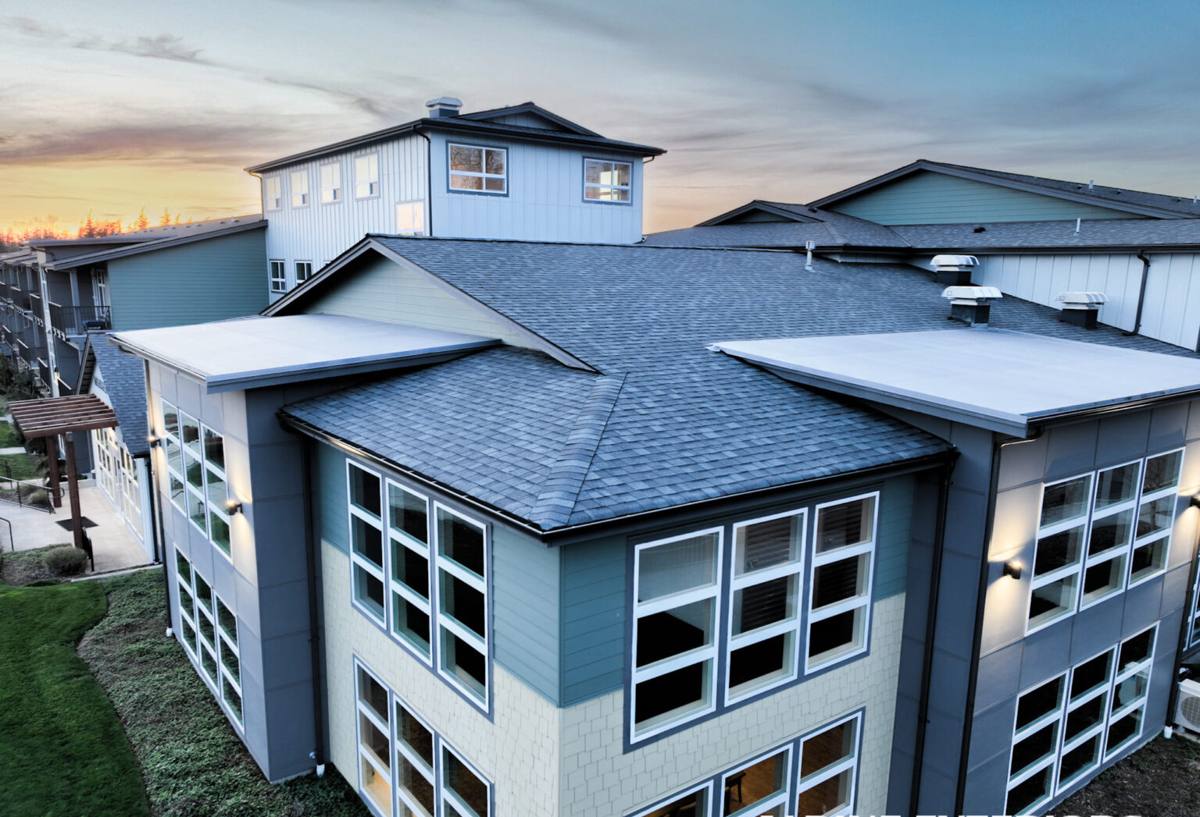
Signs a Birchwood Home Is Ready for Replacement, Not Repair
Siding problems often start small and stay hidden behind a coat of paint or a caulk gun for longer than they should. The line between "this needs a repair" and "this needs a full replacement" usually comes down to how far the damage has spread and whether the underlying wall assembly is still sound.
- Soft, spongy, or crumbling siding when pressed, especially near the base of walls or below windows
- Paint or finish that fails again within a year or two of repainting, no matter the product used
- Visible gaps, warping, or cupping at seams and panel edges
- Persistent moss or dark streaking on shaded walls that returns quickly after cleaning
- Rising utility bills with no other clear cause, which can point to moisture-compromised insulation behind the siding
- Interior signs — soft drywall, musty smell, or staining near exterior walls — that suggest moisture has already worked its way inside
One or two of these on their own might point to a targeted repair. Several showing up together, or any sign that moisture has reached the sheathing or framing behind the siding, is usually the point where patching stops being a real fix and full replacement becomes the more honest recommendation.
What Birchwood's Climate Asks of a Replacement Wall
Salt-Tinged Marine Air
Air moving through this stretch of Whatcom County carries a mild salt content that works quietly on exposed fasteners, trim metal, and lower-grade finishes over years of exposure. It's not dramatic in any single season, but it adds up — corroding fastener heads, dulling finishes faster than they should fade, and shortening the effective life of any material that isn't built to resist it.
Driving Rain
Rain in this area doesn't reliably fall straight down and run off. Wind pushes it sideways and forces it up under laps, around trim, and into seams that were never meant to take water head-on. A wall built for a climate where rain falls gently and drains away will underperform here; the details that keep water out have to assume it's coming from an angle, not just from above.
A Long Moss Season
Shaded and tree-covered walls in Birchwood stay damp longer than sun-exposed ones, and that extended damp window is exactly what moss and mildew need to establish themselves. Siding that holds moisture at the surface rather than shedding it quickly gives moss more time to take hold before the next dry stretch arrives, and once established, it tends to come back faster each year unless the wall itself is drying properly.
Why We Only Install James Hardie Fiber Cement
We install James Hardie fiber cement siding exclusively. We don't install LP SmartSide, vinyl siding, Cemplank, Allura, primed spruce, or cedar. That's a professional standard we've settled on, not a sales angle — each of those products has a place in the broader market and plenty of homeowners elsewhere are satisfied with them, but on homes dealing with this specific mix of salt air, driving rain, and a long moss season, we'd rather install one system we can fully stand behind than offer a lower-cost option that shifts long-term maintenance and moisture risk back onto the homeowner.
- Non-combustible core: Fiber cement doesn't feed a fire the way wood-based siding products can, which matters for both safety and, often, insurance considerations.
- Factory-applied ColorPlus finish: The color is baked on in a controlled factory process rather than applied on site, which holds up better against marine air and repeated wet-dry cycling than field-applied paint or stain.
- Climate-engineered HZ product lines: Hardie's HZ5 formulation is built specifically for regions with heavy moisture exposure, which fits Birchwood's conditions closely.
- Dimensional stability: Fiber cement doesn't swell, cup, or warp at seams the way engineered wood or lower-grade materials can after repeated wetting.
- Strong transferable warranty: Hardie backs correctly installed siding with one of the more substantial warranty structures in the industry, and that warranty follows the home if it's sold.
What a Correct Siding Replacement Involves
Replacing siding is not just a matter of stripping off the old material and screwing up new panels. Done correctly, it's a layered job that addresses the wall assembly itself, not just its visible surface.
Full Tear-Off and Sheathing Inspection
Removing the old siding down to the sheathing is the only way to find rot, soft spots, or hidden moisture damage that's been developing quietly behind the old wall covering — damage that's often invisible until the old siding actually comes off. Installing new siding over compromised sheathing just buries an existing problem under a new surface.
Weather-Resistive Barrier and Drainage
A properly lapped weather-resistive barrier behind the siding gives the wall a real secondary line of defense, and a drainage gap or rainscreen behind the siding lets any moisture that does get past the surface actually dry out instead of sitting against the wall. That drainage detail matters more here than in a drier climate, where a wall might tolerate the occasional wetting without consequence.
Flashing at Windows, Doors, and Transitions
Most siding failures don't start out in the open field of a wall — they start at penetrations and transitions. Windows, doors, corner boards, and the base of the wall all need flashing that's properly integrated with the weather-resistive barrier and lapped correctly, not caulked over as an afterthought once the siding is already up.
Fastening to Manufacturer Spec
Fastener type, spacing, and placement need to follow Hardie's published installation requirements for this climate zone, not a generic national shortcut. Correct fastening is part of what keeps the manufacturer's warranty intact and what keeps panels locked down under wind-driven rain rather than working loose at the edges over time.
Comparing Siding Materials for a Birchwood Replacement
| Material | Moisture Behavior | Maintenance in This Climate | Realistic Lifespan |
|---|---|---|---|
| James Hardie fiber cement | Dimensionally stable; resists swelling, cupping, and warping | Low; factory finish resists fading and moisture intrusion | 30+ years with correct installation |
| Vinyl siding | Can trap moisture behind panels in poorly ventilated walls | Low upfront cost, but seams stay damp longer near marine air | Variable; shorter on exposed elevations |
| LP SmartSide / engineered wood | Wood-based core is moisture-sensitive at cut edges and joints | Moderate to high; edge sealing is critical in sustained dampness | Depends heavily on installation quality and upkeep |
| Cedar / primed wood | Absorbs and releases moisture readily | High; needs regular refinishing on exposed or shaded walls | Shorter without consistent, disciplined maintenance |
Cost Factors in a Birchwood Siding Replacement
Two bids for the same house can land thousands of dollars apart, and the gap is almost always real scope, not padding on one side. Understanding what actually drives the price makes it much easier to compare estimates that look nothing alike on paper.
| Factor | What It Affects |
|---|---|
| Extent of tear-off | Whether hidden sheathing damage gets found and repaired before new siding goes on |
| Sheathing and framing repair | Cost rises if moisture damage is found once old siding comes off |
| Weather-resistive barrier and drainage detailing | How well the finished wall resists wind-driven rain over time |
| Siding profile and trim complexity | More corners, windows, and transitions mean more cutting and flashing labor |
| Material grade and finish | Affects expected lifespan and long-term maintenance needs |
| Wall height and access | Staging, scaffolding, and safety requirements on multi-story or steep-lot homes |
A written estimate that itemizes these components separately tells you far more than a single lump-sum number. It's worth asking any contractor to walk through exactly what's included before comparing two prices side by side.
Our Process
- In-person walkthrough: We inspect the exterior ourselves, wall by wall, rather than estimating from a photo or a square-footage average.
- Written estimate: You get a clear, itemized bid covering tear-off, sheathing repair, weather barrier, flashing, material selection, and cleanup — not one vague line item.
- Scheduling around weather: We build reasonable flexibility into the timeline, since wet-season delays are a normal part of working in this region.
- Tear-off and sheathing repair: Old siding comes off completely, and any damage we find underneath gets addressed before anything new goes up.
- Weather barrier, flashing, and siding installation: Each layer goes on to manufacturer specification, with extra attention at windows, corners, and the base of the wall.
- Final walkthrough and cleanup: We review the finished exterior with you in person and do a full site cleanup before considering the job done.
Why Hiring a Crew That Already Works in Birchwood Matters
A crew that regularly replaces siding on homes in and around Birchwood has already seen firsthand how marine air corrodes underspecified fasteners, how wind-driven rain finds its way past improperly lapped weather barriers, and which walls hold moss longest through the wet months. That's practical, earned knowledge that shows up in dozens of small decisions over the course of a job — decisions a crew unfamiliar with this specific stretch of Whatcom County might not think to make at all.
It also matters after the job wraps up. A workmanship warranty is only as good as the company standing behind it years later, and a contractor with an established, ongoing presence in the area is one you can actually reach if a question comes up down the road.
A Practical Checklist Before You Choose a Siding Contractor
- Do they perform a full tear-off with sheathing inspection, not siding installed directly over the old wall?
- Does the estimate specify weather-resistive barrier and drainage detailing, not just "new siding"?
- Is flashing work at windows, doors, and corners explicitly written into the bid?
- Do they carry current WA contractor licensing, liability insurance, and workers' compensation?
- Can they point to recent, real work in or near Birchwood?
- Does the bid clearly separate the manufacturer's material warranty from the contractor's own workmanship warranty?
If you'd like an honest, no-pressure look at your Birchwood home's siding and a written estimate you can compare against anything else you've received, we're glad to come take a look. Use the form below to request a free estimate.