 Bellingham Exterior
 Why Columbia Homes Need Siding Built for This Climate
The Columbia neighborhood sits close enough to Bellingham Bay that salt-laden air is a constant, low-grade stressor on exterior building materials, even on days when you can't smell the water. Add Whatcom County's long, wet winters — months of driving rain pushed sideways by wind off the Strait — and you have a climate that punishes anything less than a properly engineered siding system. Mix in the tree canopy that shades many of Columbia's older lots, and you get extended damp periods that feed moss and algae growth on north- and west-facing walls for a good chunk of the year.
None of this is unusual for Bellingham. But it means siding decisions that might be fine in a drier inland climate can fail here in five to ten years instead of thirty. Homeowners in Columbia are often dealing with houses built decades ago, re-sided at some point with whatever material was cheapest or most fashionable at the time, and now showing the predictable results: soft trim, peeling paint, swollen panel edges, and moss creeping up from the ground line.
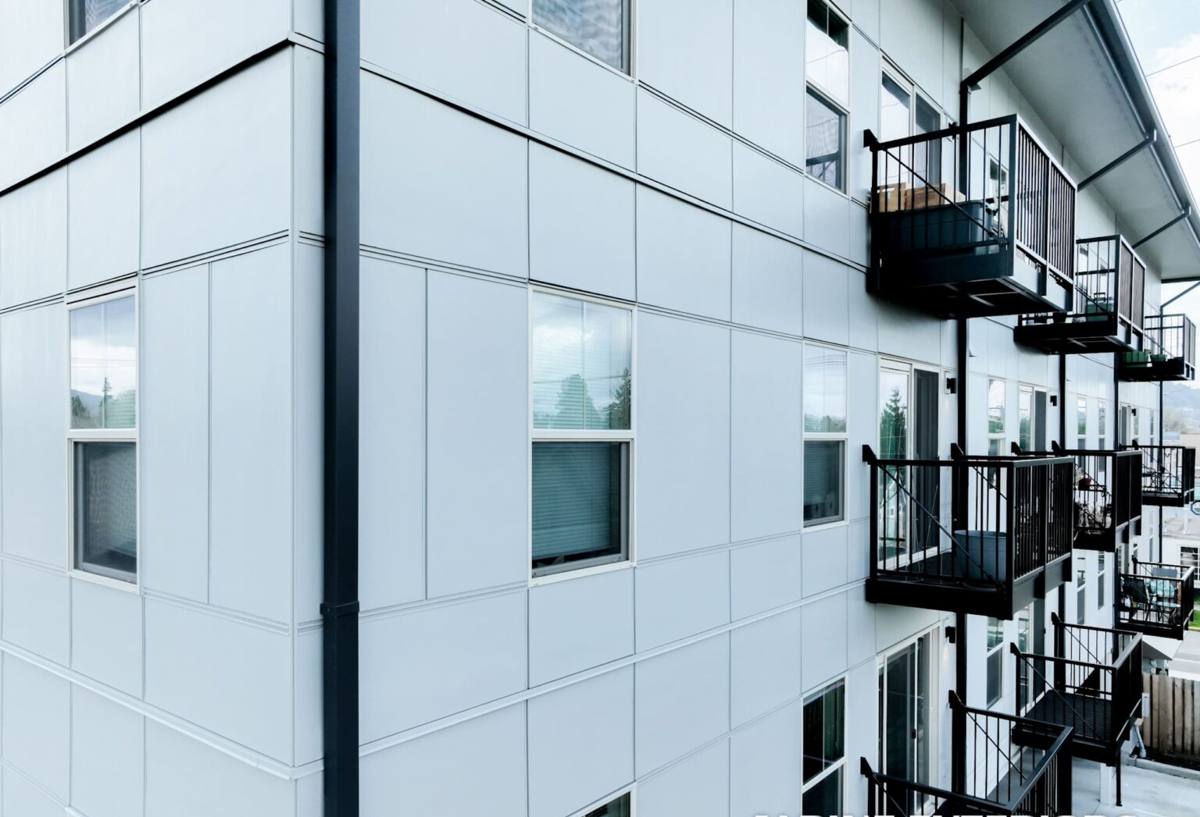
What "Correct" Looks Like for Fiber Cement in This Neighborhood
Fiber cement siding is not a material you can install the same way everywhere and expect the same results. In a marine climate like ours, correct installation is less about the product itself and more about the details around it — the parts you don't see once the job is done.
Moisture Management Comes First
A weather-resistive barrier installed correctly behind the siding, proper flashing at every window and door opening, and a drainage plane that actually lets bulk water escape are non-negotiable in a climate that gets this much driving rain. Fiber cement is far more dimensionally stable and moisture-resistant than wood-based alternatives, but it still relies on the assembly behind it to shed water that gets past the surface.
Fastening and Clearances
Manufacturer-specified fastener spacing, correct nail penetration into framing, and the right clearance between the bottom edge of the siding and grade, roofing, decks, or paved surfaces all matter more here than in a dry climate, because any shortcut becomes a wicking point for moisture during our wet season. Bellingham's rain isn't just frequent — it's often horizontal, which means gaps and clearances that would be forgiving elsewhere aren't forgiving here.
Caulking and Sealant Details
Every joint, seam, and penetration needs the right sealant applied correctly, not just applied. Cheap or improperly applied caulk is one of the most common failure points we see on re-siding jobs in older Bellingham neighborhoods — it looks fine for a year or two, then cracks and lets water behind the cladding where it can sit against sheathing and framing for months at a time.
Salt Air, Driving Rain, and Moss: The Three Local Stressors
It's worth breaking these down individually, because each one degrades a different part of a siding system.
| Stressor | What It Attacks | Why Fiber Cement Handles It Better |
|---|---|---|
| Salt air | Fasteners, metal flashing, paint/finish adhesion | Non-combustible, dimensionally stable substrate holds a factory finish far longer than wood or many composites |
| Driving rain | Seams, laps, trim joints, ground-level clearances | Engineered HZ product lines and correct lap coverage resist wind-driven water intrusion |
| Moss/algae season | Shaded walls, north/west exposures, anything porous | Factory ColorPlus finish is far less hospitable to moss growth than raw or field-painted wood surfaces |
Moss deserves its own note. In Columbia's shadier yards, moss and algae growth on siding isn't cosmetic laziness — it's a byproduct of tree cover and marine humidity that no siding material fully escapes. What differs is how each material responds. Porous or field-finished surfaces give moss something to grip and hold moisture against; a dense fiber cement substrate with a baked-on factory finish gives it far less to work with, and what does grow is easier to rinse off without damaging the surface underneath.
Why We Only Install James Hardie
We standardized on James Hardie fiber cement for every siding job we do, including here in Columbia, and we don't install vinyl, LP SmartSide, or other fiber cement or composite brands. That's a deliberate professional standard, not a sales pitch. Hardie's HZ5 product line is specifically engineered for climates like ours — freeze-thaw cycles, sustained moisture, and coastal exposure — and the ColorPlus factory finish process gives a more consistent, longer-lasting bond than most site-applied paint systems. It's also non-combustible, which matters more every wildfire season, even on the wetter west side of the state. When we put our name on an installation, we want the material underneath it to hold up to everything this specific climate throws at it for decades, not years.
How the Job Actually Runs
A fiber cement re-side or new install on a Columbia home generally follows the same sequence, though the details shift based on the home's age, existing siding, and exposure.
1. On-Site Assessment
We walk the exterior, check for soft spots, moisture damage, and rot around windows, trim, and the ground line, and look at how the house is actually oriented relative to wind and rain exposure. A wall facing the prevailing weather needs more attention to flashing and drainage detail than a sheltered wall.
2. Tear-Off and Substrate Check
Once old siding comes off, we can see the sheathing and framing underneath. This is where hidden problems from a previous inferior installation usually surface — soft sheathing, missing or failed house wrap, rusted fasteners. These get addressed before anything new goes up; siding over a damaged substrate just hides a bigger problem.
3. Weather-Resistive Barrier and Flashing
A new drainage plane goes on correctly lapped, with flashing integrated at every window, door, and penetration so water is directed out and down, not trapped behind the cladding.
4. Hardie Installation
Panels or lap siding go up to manufacturer spec — correct fastener type, spacing, and clearances at grade, roof lines, and decks — followed by trim and caulking at every seam.
5. Final Walkthrough
We check clearances, caulk lines, and finish quality with the homeowner before calling the job done.
Problems We Commonly Find on Older Columbia Homes
Because Columbia has a mix of older housing stock alongside newer construction, our assessments turn up a recurring set of issues when we're asked to look at existing siding:
- Trim and fascia boards soft or delaminating from years of trapped moisture behind siding that lacked proper flashing
- Siding installed with insufficient clearance above grade, decks, or roof lines, wicking moisture upward
- Failed or missing caulking at window and door trim, allowing water intrusion that isn't visible from the outside
- Heavy moss and algae buildup on shaded north- and west-facing walls, sometimes masking surface deterioration underneath
- Paint failure and chalking on field-finished wood or older composite siding that never fully dried between rain events
None of these are unusual for a marine climate. They're just the predictable result of siding systems, or installation details, that weren't built with Whatcom County's weather in mind.
Maintenance That Actually Matters Here
Fiber cement reduces maintenance compared to wood, but "low-maintenance" isn't "no-maintenance," especially with our moss season. A few habits keep a Hardie installation performing the way it's designed to:
- Rinse siding annually, more often on shaded or tree-covered walls, to keep moss and algae from establishing
- Keep gutters clear so overflow doesn't run down the wall surface during heavy rain events
- Trim back vegetation and tree branches that keep a wall surface shaded and damp longer than it needs to be
- Inspect caulk lines at trim and penetrations every couple of years and re-seal where it's cracked or pulled away
- Keep mulch, soil, and plantings from building up against the bottom edge of the siding
What to Check Before Hiring a Siding Crew in Bellingham
Not every contractor working in Whatcom County installs to the same standard, and siding is one of those trades where poor work doesn't show up as a problem until years later. Before hiring anyone for a fiber cement job in Columbia or elsewhere in Bellingham, it's worth confirming:
| What to Ask | Why It Matters |
|---|---|
| Are they James Hardie certified or factory-trained? | Correct installation detail is what makes the manufacturer warranty enforceable |
| Do they carry current WA contractor licensing and insurance? | Protects you if something goes wrong during or after the job |
| Will they show you the flashing and drainage plan before siding goes up? | These hidden details determine whether the job lasts 10 years or 40 |
| Have they worked in this specific neighborhood or exposure type? | Salt air and shaded, moss-prone lots need different attention than a dry, open lot |
| What's covered under warranty, and for how long? | Labor and material warranties should both be spelled out in writing |
Why a Crew That Already Works Columbia Matters
A contractor who's worked other homes in this neighborhood already knows which walls take the worst of the weather off the bay, which lots hold onto moss the longest under mature tree cover, and where older Bellingham homes tend to hide moisture damage behind old siding. That local pattern recognition shows up in small decisions during a job — where to add extra flashing attention, which trim details need reinforcing, how a particular exposure should be handled — that a crew unfamiliar with the area might miss entirely. It's the difference between a siding job that looks right at handoff and one that's actually built for what Columbia's climate will do to it over the next twenty years.
If your Columbia home's siding is showing moss, soft trim, or paint failure, or you're planning ahead for a re-side, we're happy to take a look and give you a straightforward, no-pressure estimate — no obligation, just an honest read on what your home actually needs.