 Bellingham Exterior
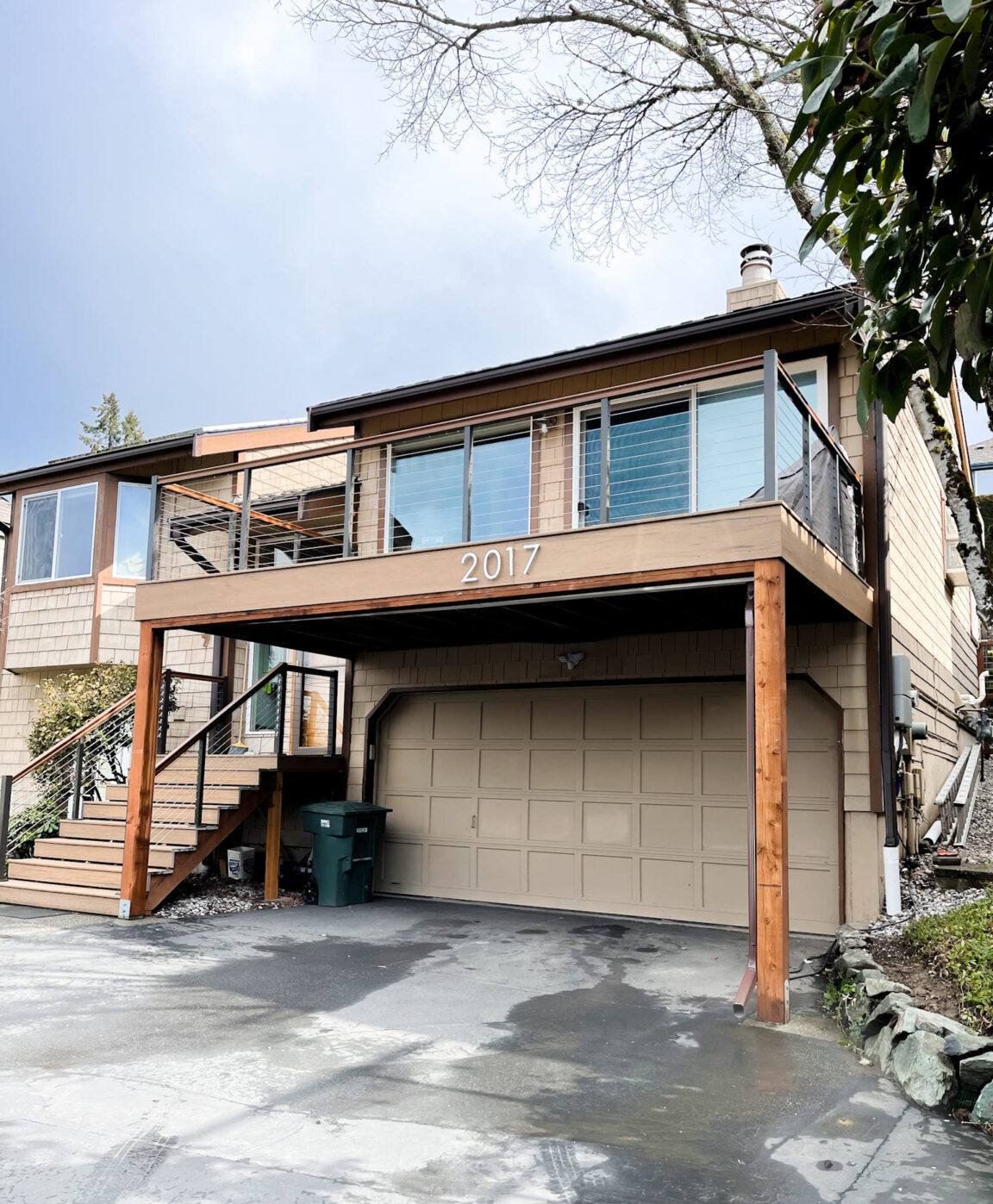
 Deck Building in York, Bellingham
York is one of Bellingham's older, established neighborhoods, and that shows in its housing stock — a mix of early-to-mid-century homes with mature landscaping, established trees, and lots that have settled over decades. A deck built for a York home has to work with that context: shade from mature canopy, older foundations and ledger conditions, and a climate that doesn't let up on wood, fasteners, or footings for most of the year. We build and rebuild decks in this neighborhood knowing what that combination actually does to a structure over time, not just what it looks like on install day.
This page covers deck building specifically for York — new decks, replacement decks, and structural rebuilds — and what separates a deck that holds up here from one that starts failing in five or six years.
What Whatcom County's Climate Does to a Deck
Bellingham sits close enough to the water that salt-laden air is a real factor, and Whatcom County's rain isn't the gentle, straight-down kind — much of it comes in sideways with the prevailing wind, driving moisture into joints, fastener heads, and ledger connections that a drier climate would never test. Add a long stretch of low sun angle and shaded, moss-friendly conditions from late fall through spring, and you get a set of stressors that compound on each other.
The main risks for York decks
- Ledger board rot — where the deck attaches to the house is the single most common failure point when flashing is missing or improperly lapped.
- Fastener corrosion — coastal air accelerates rust on anything less than fully rated hardware, leading to streaking and eventually weakened connections.
- Moss and algae buildup — shaded decking under tree canopy stays damp longer, and moss holds moisture against the wood surface long after a storm passes.
- Post-base rot — posts set in or too close to soil, or without a proper standoff base, wick moisture upward over years.
- Joist hanger failure — under-spec or corroding hangers are a hidden problem until they're not; failure here is structural, not cosmetic.
None of this is unique to York, but the neighborhood's older housing stock and established trees mean we see these issues concentrated — mature landscaping is great for privacy and shade, and it also means more moisture retention and more organic debris settling into deck boards and gaps than on a newer, more exposed lot.
What a Correctly Built Deck Involves Here
A deck that's going to hold up in this climate isn't just about picking a good decking material — the structure underneath and the details at every connection point matter more than what you see from the yard.
Ledger and flashing
The ledger-to-house connection is where we see the most callbacks from other builders' work. Correct practice means through-bolted (not just lag-screwed) ledgers where the deck isn't self-supporting, proper flashing that sheds water away from the house sheathing, and a gap or drainage plane so water doesn't sit trapped against the rim joist.
Footings and posts
Footings need to go below frost depth and bear on undisturbed soil — on older York lots this sometimes means dealing with fill, root systems, or previous structures that weren't fully removed. Posts should sit on standoff bases that keep end grain off concrete and out of standing water, not buried or set flush with grade.
Fasteners and hardware
Given the salt air exposure this close to the water, we use stainless or heavy hot-dip galvanized hardware rated for coastal and ground-contact use, not the minimum-spec fasteners that are fine two hours inland but start streaking and weakening here within a few seasons.
Drainage and airflow
Board spacing, joist spacing, and any under-deck skirting need to allow airflow so wood can actually dry between rain events. A deck that's tight to the ground or boxed in without ventilation stays damp for days after a storm, which is exactly the condition moss and rot need.
Decking Material Options for York Homes
There's no single right material for every deck — it depends on budget, how much shade the site gets, and how much maintenance you actually want to do.
| Material | Upfront Cost | Maintenance | How It Handles Moss & Moisture |
|---|---|---|---|
| Pressure-treated wood | Lowest | Annual cleaning, periodic sealing | Prone to moss in shaded spots if not cleaned; needs consistent upkeep |
| Cedar | Moderate | Regular sealing/staining to hold color and resist moisture | Naturally rot-resistant but still needs airflow and cleaning to prevent moss |
| Composite decking | Higher | Occasional washing, no sealing/staining | Resists rot well; can still grow surface moss/algae in deep shade if not rinsed periodically |
| PVC/capped composite | Highest | Lowest — mostly just washing | Best moisture resistance of the group; still benefits from airflow underneath |
We won't push a premium composite on a shaded, low-traffic deck if pressure-treated with a good maintenance plan gets the same result for less money — and we're equally honest when a heavily shaded, moss-prone spot in York is exactly the situation where paying more for a low-maintenance capped product actually pays for itself in saved weekends.
Our Process for a York Deck Project
1. On-site assessment
We walk the lot, check the ledger location and house framing, evaluate sun/shade exposure and tree canopy, and look at drainage patterns around where the deck will sit or currently sits.
2. Design and material selection
We talk through decking material, railing style, and layout based on how you'll actually use the space — and we're upfront about which choices affect long-term maintenance versus which are purely aesthetic.
3. Permitting
Most new decks and significant rebuilds in the City of Bellingham require a permit, particularly for anything attached to the house or above a certain height. We handle that process rather than leaving it to you to sort out.
4. Demolition (for replacements)
On rebuild projects, we remove the old deck and inspect the ledger, rim joist, and framing behind it — this is often where we find rot that wasn't visible from the deck surface, and we address it before anything new goes up.
5. Build
Footings, framing, ledger and flashing work, decking, and railing, in that order, with inspections at the structural stages that require them.
6. Walkthrough
We go over basic care — cleaning schedule, what to watch for near tree cover, how to keep drainage clear — so the deck holds up the way it's supposed to.
New Deck vs. Replacing an Existing One
If you're replacing an aging deck, the decking boards on top are rarely the real problem — it's what's underneath. A deck that looks tired on the surface but has solid framing might only need new boards and hardware. One with soft spots near the ledger, a post that moves when you push on it, or visible staining/streaking at connection points usually needs a structural rebuild, not a resurface.
Signs it's time for a rebuild rather than a refresh
- Ledger board feels soft when probed, or shows dark staining along the house wall
- Any post or beam that flexes or shows movement under weight
- Joist hangers with visible rust, pulling away from wood, or missing entirely in spots
- Persistent moss growth on the structure itself (not just the surface boards)
- Deck is more than 15-20 years old and was built before modern flashing standards were common
Why a Crew That Works York Matters
Bellingham's neighborhoods aren't uniform — a deck detail that works fine on an exposed, sunny lot near the water can fail fast on a shaded, tree-covered York lot, and vice versa. Knowing the difference between a spec that's adequate for Whatcom County generally and one that's right for a specific lot's sun exposure, drainage, and soil condition is the difference between a deck that needs attention every year and one that doesn't. We've built and repaired decks across this neighborhood's mix of older and newer homes, and we bring that context into every estimate rather than applying a one-size-fits-all approach.
Maintaining Your Deck After It's Built
- Sweep debris and standing leaves off the surface regularly, especially under tree canopy
- Rinse or lightly scrub moss and algae before it gets established, particularly in shaded corners
- Keep gutters and downspouts near the deck clear so runoff isn't dumping directly onto it
- Check railing and stair connections annually for movement or loosening
- Reseal or restain wood decking on the manufacturer's recommended schedule, not just when it looks faded
- Look underneath once a year for signs of moisture, rust, or soft wood near posts and the ledger
A few minutes of seasonal maintenance is a lot cheaper than catching a rot problem after it's spread into the framing.
If you're planning a new deck or need an honest look at whether your current one needs a rebuild, we're glad to come take a look. Reach out for a free, no-pressure estimate — use the form below to get started.