 Bellingham Exterior
 Why Sehome Homes Need Windows Built for This Climate
Sehome sits close enough to Bellingham Bay that salt-laden air, wind-driven rain, and the long gray stretch of moss season all leave their mark on a house. Older double-hung and slider windows in this neighborhood — especially in homes built before modern low-E glazing was standard — tend to show it first around the sash corners and sills: soft wood, foggy glass, drafts you can feel with a hand held near the frame on a windy evening. None of that is unusual for a Whatcom County house of a certain age. It's just what happens when a building envelope wasn't designed for this much sustained moisture.
Energy-efficient windows solve more than a heating bill problem here. In Sehome's climate, the real payoff is a window that keeps water out, resists the fungal growth that thrives in our wet winters, and holds its seal instead of degrading after a few damp seasons. The energy savings are real, but for most homeowners the bigger win is a dry, draft-free house that doesn't need window repairs every couple of years.
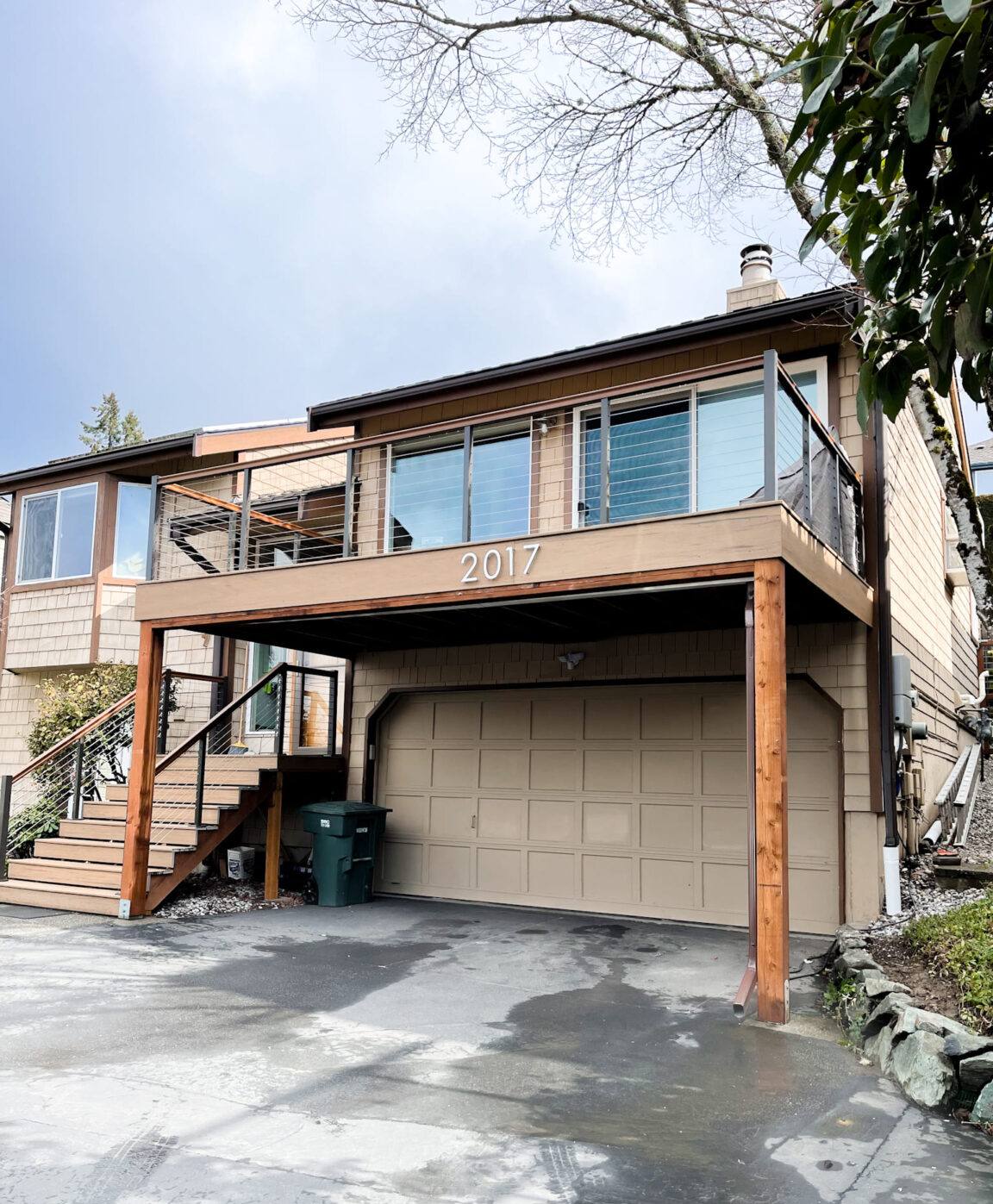
What "Energy-Efficient" Actually Means for a Bellingham Home
The term gets used loosely in the window industry, so it's worth being specific about what actually matters for a house in this part of Washington.
U-Factor Matters More Than Marketing Stickers
U-factor measures how well a window resists heat transfer — lower is better. In our marine climate, where temperatures rarely swing to extremes but stay damp and cool for months at a stretch, a good U-factor keeps interior surfaces warmer, which cuts down on both heat loss and condensation. We look at the whole window's rated U-factor, not just the glass package, since frame material and construction affect the number as much as the glazing does.
Condensation and Moisture Control
Sehome's humidity means interior condensation is a bigger practical concern for a lot of homeowners than summer heat gain. A properly specified insulated glass unit with a warm-edge spacer reduces the cold-glass effect that causes moisture to bead on the inside of a window in January. If you're seeing consistent condensation or a foggy haze between the panes, that's a sign the seal has already failed — a repair won't fix it, only replacement will.
Air Sealing Is Where Most Homes Actually Leak
A high-performance glass package installed with sloppy flashing or a gappy rough opening will still perform poorly. In driving rain — which this area gets plenty of — a window's real-world performance depends as much on how it's installed as what's printed on the label.
Common Window Problems We See Around Sehome
Every neighborhood has its own patterns based on housing stock and exposure, and Sehome has a few recurring ones:
- Wood sills and lower sash rails softened by years of wind-driven rain, especially on west- and south-facing walls
- Aluminum-frame windows from the 1970s-90s with almost no thermal break, cold to the touch and prone to interior condensation
- Failed seals on double-pane units, visible as fogging or a milky ring around the glass edge
- Moss and algae staining on sills and exterior trim, a sign that water is sitting where it shouldn't
- Painted-shut sashes and worn balances on older double-hung windows, which usually points to a house that hasn't had its windows touched in decades
None of these are emergencies on their own, but they compound. A window that's already letting in moisture around the frame will fail faster once the seal starts to go, and vice versa.
What a Correct Window Replacement Actually Involves
Removal and Opening Inspection
We don't just pull the old sash and drop in a new unit. Once a window is out, we check the rough opening framing and sill for rot or water staining — this is often the only time anyone gets a real look at what's happening behind the trim. If there's hidden moisture damage, we address it before anything new goes in. Skipping this step is the single most common reason a "new" window ends up with problems again in a few years.
Flashing and Weatherproofing
This is the part that matters most in our climate and the part that's easiest to shortcut. Proper flashing directs any water that gets behind the siding back out and away from the framing, using a shingled, gravity-fed sequence — sill pan, jamb flashing, then head flashing lapped correctly over the housewrap. In a neighborhood that sees this much driving rain off the bay, a window installed without a sill pan or with reversed flashing laps is a leak waiting to happen, even if the window itself is a good one.
Setting, Shimming, and Sealing
The window has to be plumb, level, and square, shimmed at the right points so the frame isn't racked or bowed — a slightly out-of-square frame puts stress on the sash and shortens the life of weatherstripping and balances. Insulation around the frame and correct interior and exterior sealant complete the job. We don't rely on caulk alone to do a flashing detail's job; caulk fails, flashing sheds water regardless.
Choosing the Right Window Type and Material
There's no single "best" window — the right choice depends on the house, the budget, and how much upkeep you want to take on. Here's how the common options stack up for a Sehome home:
| Material | Moisture Performance | Maintenance | Typical Fit |
|---|---|---|---|
| Vinyl | Won't rot; seams are the main weak point if not welded well | Low — occasional cleaning | Most homes; best value for the performance |
| Fiberglass | Excellent; dimensionally stable in wet/dry cycling | Low | Homes wanting a higher-end, longer-life frame |
| Wood-clad | Good if cladding is intact; interior wood still needs protection | Moderate — watch cladding seams and interior finish | Historic or traditional-style homes where wood interior trim matters |
| Bare aluminum | Poor thermal performance; condensation-prone in our climate | Low physical upkeep, high energy cost | Generally not recommended for replacement here |
We steer most Sehome homeowners toward vinyl or fiberglass for exposed elevations because they don't give moisture anything to feed on. Wood-clad is still a solid choice when it matches the house, but it asks for more attention over time — inspecting cladding seams and keeping interior wood finished is worth doing annually in a climate this wet.
Glass Packages Worth Asking About
For this area, a double-pane unit with a low-E coating and argon fill is the practical baseline. Triple-pane adds cost and weight for a modest performance gain in our moderate temperature range — it's worth it for a north-facing wall that gets constant wind, but it's not automatically the right call for every window on the house. We'll walk through which openings actually benefit.
Our Process From Estimate to Final Walkthrough
- On-site assessment — we look at each window's condition, the wall assembly, and any signs of existing moisture problems before recommending anything
- Written estimate with material and glass options explained in plain terms, no pressure to upgrade beyond what the house needs
- Scheduling that accounts for weather — we don't open up wall assemblies during a stretch of driving rain if we can help it
- Removal, opening inspection, and any needed repair to sill or framing before the new window goes in
- Correct flashing sequence, setting, shimming, and sealing
- Interior and exterior trim finish work
- Final walkthrough where we check operation, seals, and cleanup before we consider the job done
Signs It's Time to Replace, Not Just Repair
Not every window issue means full replacement. Here's a rough guide to what usually can be fixed versus what usually can't:
- Fogging or haze between panes — seal has failed, replacement glass unit or full window needed
- Drafts you can feel by hand along the frame — often a weatherstripping or flashing fix, not always full replacement
- Soft or spongy wood at the sill or lower sash corners — usually points to replacement, since the damage tends to run deeper than it looks
- Window won't stay open or balances have failed — often repairable on newer frames, less so on very old wood windows
- Visible moss or persistent staining on the exterior sill — worth an inspection even if the window still operates fine, since it signals water is lingering somewhere it shouldn't
- Single-pane glass with no storm window — almost always worth replacing for both comfort and moisture control in this climate
Why Hiring a Crew That Already Works in Sehome Matters
A window installer who mostly works drier inland climates can still do competent work, but the details that matter most here — flashing sequencing for wind-driven rain, sill pan use, material choices that hold up to salt air and constant moisture — are things you learn by doing them repeatedly in this exact climate, not by reading a manufacturer's install guide once. A crew that regularly works in Bellingham and around Whatcom County has already seen how a given product ages under our conditions over several winters, which shapes what we recommend and how we install it.
There's also a practical side: knowing the typical housing stock in a neighborhood like Sehome — the era of construction, common framing quirks, how additions and remodels were typically flashed — means fewer surprises once a window comes out and faster, more accurate estimates going in.
Maintenance That Protects Your Investment
Even a well-installed, high-quality window benefits from basic upkeep in this climate:
- Clean weep holes on vinyl and fiberglass frames each fall so drainage paths don't clog with debris
- Wipe down sills periodically during moss season to keep organic growth from taking hold
- Check exterior caulking annually where trim meets siding, and touch up before winter rains set in
- Operate every window at least a few times a year, even ones you rarely open, so balances and hardware don't seize
- Watch for any new staining or soft spots at the sill — catching it early is a lot cheaper than catching it late
If you're weighing whether your Sehome home's windows need attention, we're happy to take a look and give you a straight answer — including telling you when a repair is the more sensible move. Fill out the form below for a free, no-pressure estimate.