 Bellingham Exterior
 Window Installation for Columbia Homes
Columbia is one of Bellingham's older, established neighborhoods, and that shows in its housing stock — a mix of early-to-mid-century homes, postwar additions, and newer infill sitting close together on tree-lined streets. A lot of those original windows are well past the point where storm sashes or a fresh coat of paint can fix what's wrong. When we install windows in Columbia, we're not just swapping glass — we're dealing with decades-old framing, settled openings, and a coastal Whatcom County climate that has been working against those windows the entire time they've been in place.
This page is specifically about window installation for Columbia properties, not a generic rundown of window brands. If you own a home in this neighborhood and you're noticing drafts, fogged glass, swollen sashes, or windows that won't stay open, the information below should help you understand what's actually going on and what a correct fix looks like.
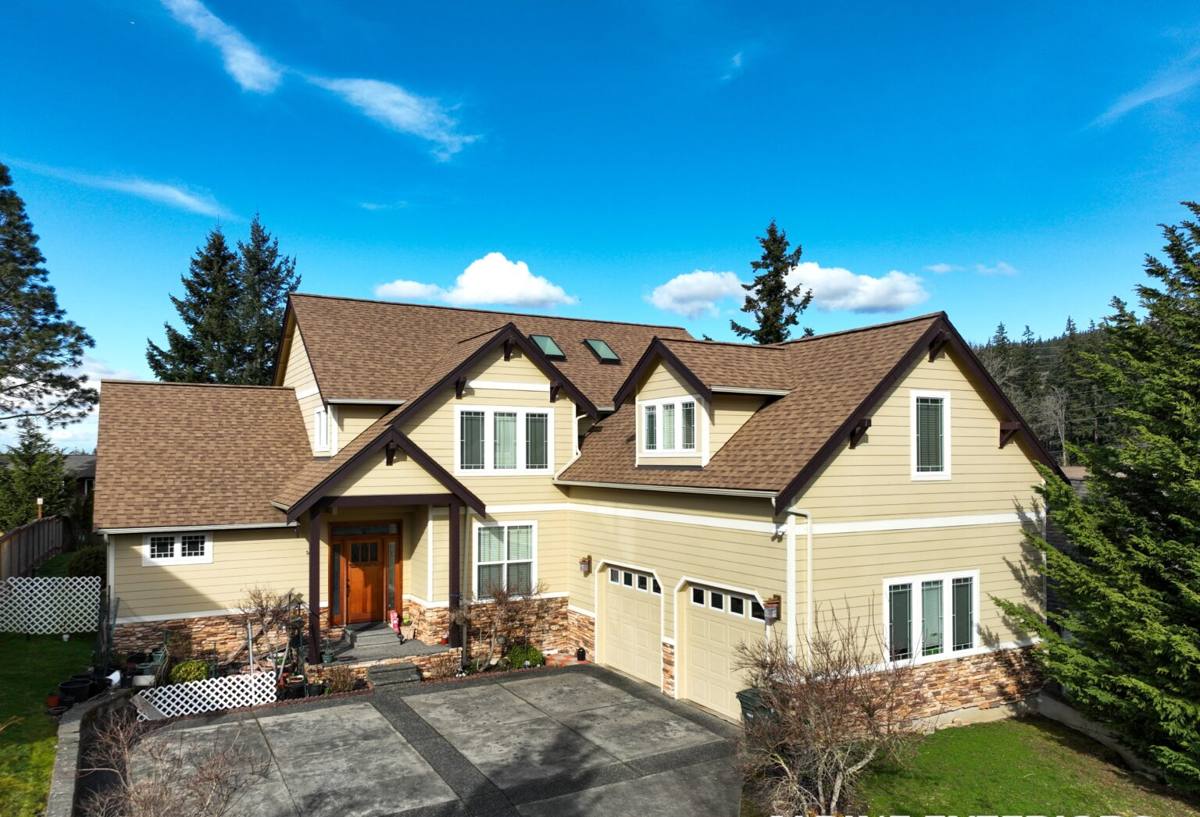
Why Columbia's Climate Is Hard on Windows
Bellingham sits right on Bellingham Bay, and Columbia is close enough to the water to feel the effects of salt-laden air, especially on west- and south-facing exposures. Add in Western Washington's long wet season — months of driving rain that can push moisture sideways into wall assemblies — and you have two forces working together against window seals, sills, and framing. Then there's moss. Whatcom County's moss season isn't limited to roofs; it colonizes window sills, tracks, and the wood trim around older window units, holding moisture against the surface far longer than open air would allow.
Individually, none of these factors would ruin a window quickly. Together, over years, they're exactly why so many Columbia homes need window replacement earlier than homeowners expect, even when the windows "look fine" from the street.
What This Actually Does to a Window Over Time
- Salt-influenced moisture accelerates corrosion on aluminum frames, hardware, and older window balances
- Wood-framed windows without good drainage detailing absorb rain at the sill and swell, making sashes stick or bind
- Moss and organic buildup on sills and tracks trap moisture against wood and finish, leading to rot from the outside in
- Repeated wet-dry cycles break down old glazing putty and weatherstripping faster than in drier climates
- Condensation between panes signals a failed seal — common in original single-pane or early dual-pane units common in older Columbia homes
Signs a Columbia Home Needs Window Installation
Most homeowners don't call about windows until something is obviously wrong, but by then the damage is often bigger than the window itself. Watch for these signs:
- Visible fog, haze, or moisture trapped between panes of glass
- Windows that are difficult to open, close, or lock, especially after rain
- Soft, discolored, or spongy wood at the sill or lower frame
- Visible daylight or a noticeable draft around the frame when the window is closed
- Paint that repeatedly bubbles or peels at the sill, regardless of how recently it was painted
- A noticeable jump in heating costs with no other explanation
- Moss or dark staining building up on the sill or lower sash faster than it should
Any one of these on its own might just need a repair. Several together, especially on the same window, usually mean the window assembly itself has reached the end of its useful life.
What Correct Window Installation Involves
Window installation is not just fitting a new unit into an old hole. In a wet coastal climate like Bellingham's, the installation details matter as much as the window itself — arguably more, because a good window installed poorly will still leak, and a mediocre window installed correctly will outperform it.
Our Process
- Assessment. We inspect the existing window, the framing around it, and the wall assembly for hidden rot or moisture damage before quoting anything. This is where we catch problems a simple measurement would miss.
- Removing the old unit carefully. We take out the old window without tearing up more of the surrounding wall or siding than necessary, and we check the rough opening once it's exposed.
- Addressing what we find. If there's soft framing, failed flashing, or rot behind the old window, we deal with it before the new window goes in. Installing a new window over damaged framing just hides the problem for a while.
- Flashing and drainage. This is the step that determines whether a window survives Whatcom County's rain season. Proper sill pan flashing, correctly lapped house wrap or building paper, and a clear drainage path keep wind-driven rain from getting behind the window and into the wall.
- Setting and shimming the window plumb, level, and square. An out-of-square window binds, doesn't seal evenly, and wears out its hardware faster.
- Insulating the gap between the window frame and rough opening without overpacking it, which can bow the frame and cause operational problems.
- Sealing and trimming with appropriate exterior sealant and trim details that shed water rather than trap it against the frame.
- Final operation check — every window should open, close, and lock smoothly before we consider the job finished.
Skipping or rushing any one of these steps is how you end up with a window that looks new for a year or two and then starts showing the same symptoms as the one it replaced.
Choosing Materials for a Coastal, Wet Climate
There's no single "best" window material for every home — it depends on the house, the exposure, and the budget. What we won't do is recommend a product based on hype rather than how it actually performs in this climate. Here's an honest comparison of the common options for Columbia homes:
| Frame Material | How It Handles Bellingham's Climate | Maintenance | Typical Trade-Offs |
|---|---|---|---|
| Vinyl | Good moisture and salt-air resistance; won't rot or corrode | Low — occasional cleaning | Frame can't be repainted; color options are more limited |
| Fiberglass | Very stable in temperature and moisture swings; holds up well long-term | Low to moderate | Higher upfront cost than vinyl |
| Wood (clad exterior) | Good performance if the exterior cladding is intact; interior wood adds warmth | Moderate — exterior clad protects wood, but any breach needs prompt attention | More sensitive to installation quality; cladding damage can expose wood to rot |
| Aluminum | Prone to corrosion in salt-influenced air over time; conducts cold | Moderate to high | We use this selectively and don't default to it near the bay |
For most Columbia homes we work on, vinyl or fiberglass end up being the practical choice given the salt air and rain exposure, but we'll walk through your specific home, its orientation, and your budget before recommending anything.
Cost Factors for Columbia Window Projects
We're not going to quote a number here that doesn't apply to your house, but these are the real factors that move the price up or down on a Columbia window installation:
- Number and size of windows being replaced in a single project versus one at a time
- Frame material chosen (vinyl, fiberglass, or clad wood)
- Condition of the existing framing — hidden rot or water damage adds repair time before the new window can go in
- Window style — double-hung, casement, sliding, and picture windows all install differently
- Access and exterior finish — siding type and how much has to be removed and restored around each opening
- Whether it's a retrofit or full-frame replacement — full-frame costs more but is often the right call when framing is compromised
The only way to get an honest number is to have someone look at the actual windows and openings — which is what a free estimate is for.
Retrofit vs. Full-Frame Replacement
This decision matters more than most homeowners realize, and it's one of the first things we evaluate. A retrofit (or "pocket") replacement fits a new window into the existing frame, which is faster and less invasive when that frame is still sound. A full-frame replacement removes the old frame down to the rough opening, which costs more and takes longer but is the right call when there's rot, poor flashing, or drafts that a retrofit can't solve.
In a neighborhood like Columbia, where a meaningful share of the housing stock predates modern window flashing standards, we see more situations calling for full-frame replacement than a homeowner might expect going in. We'll tell you honestly which one your home needs rather than defaulting to the cheaper option if it won't actually solve the problem.
Before Your Installation: A Practical Checklist
- Note which windows are giving you trouble and when (after rain, in cold weather, etc.) — this helps us diagnose faster
- Clear furniture and window coverings from the work area ahead of time
- Ask about interior and exterior trim matching if your home has custom or older-style trim
- Ask whether your project needs a permit — larger replacement jobs in Bellingham may require one, and we handle that coordination
- Plan for a few days of exterior access around the work area, weather permitting
Why Hire a Crew That Already Works in Columbia
Window installation done right depends on understanding how a specific home in a specific location behaves in weather — not just following a generic install manual. A crew that regularly works in Columbia and the surrounding Bellingham neighborhoods already knows the patterns: which exposures take the worst of the driving rain, how moss and moisture tend to collect on older sills in this part of Whatcom County, and what kind of framing issues to expect opening up a home from this era. That local pattern recognition means fewer surprises mid-project and a flashing and drainage detail that's actually built for what this specific climate throws at it, not a generic install spec written for a drier region.
We also stand behind the installation itself, not just the window product. A manufacturer's warranty covers the window; it doesn't cover a leak caused by poor flashing or a bad seal. That's on us, and it's why we don't cut corners on the steps that don't show once the trim is back on.
Get a Free, No-Pressure Estimate
If your Columbia home has windows that are drafty, hard to operate, fogged, or showing signs of moisture damage at the sill, we're happy to take a look. There's no obligation and no pressure — just an honest assessment of what's going on and what it would take to fix it right. Fill out the form below to get started.