 Bellingham Exterior
 Why Birch Bay's Waterfront Climate Is Hard on Siding
Birch Bay sits right on the water, and that proximity changes what siding has to deal with compared to a house a few miles inland in Bellingham or Ferndale. Salt-laden air moves off the bay and settles on everything it touches, including exterior walls, trim, and fasteners. Add in the wind-driven rain that comes through Whatcom County during fall and winter storms, and siding here is under near-constant moisture pressure from two directions at once — airborne salt and driving precipitation that gets pushed sideways into seams, laps, and corners that a calmer climate would never test.
Then there's moss. The Pacific Northwest's long, wet, low-sun season is ideal moss and algae growing conditions, especially on the shaded, north-facing walls that most homes have somewhere. Moss holds moisture against a wall surface for months at a time. On a material that can absorb water or that relies on a field-applied paint film to keep water out, that's a slow, steady path to trouble. None of this means Birch Bay is a bad place to own a home — it just means the siding has to be chosen and installed with this specific combination of salt, wind, rain, and shade in mind, not a generic set of assumptions.
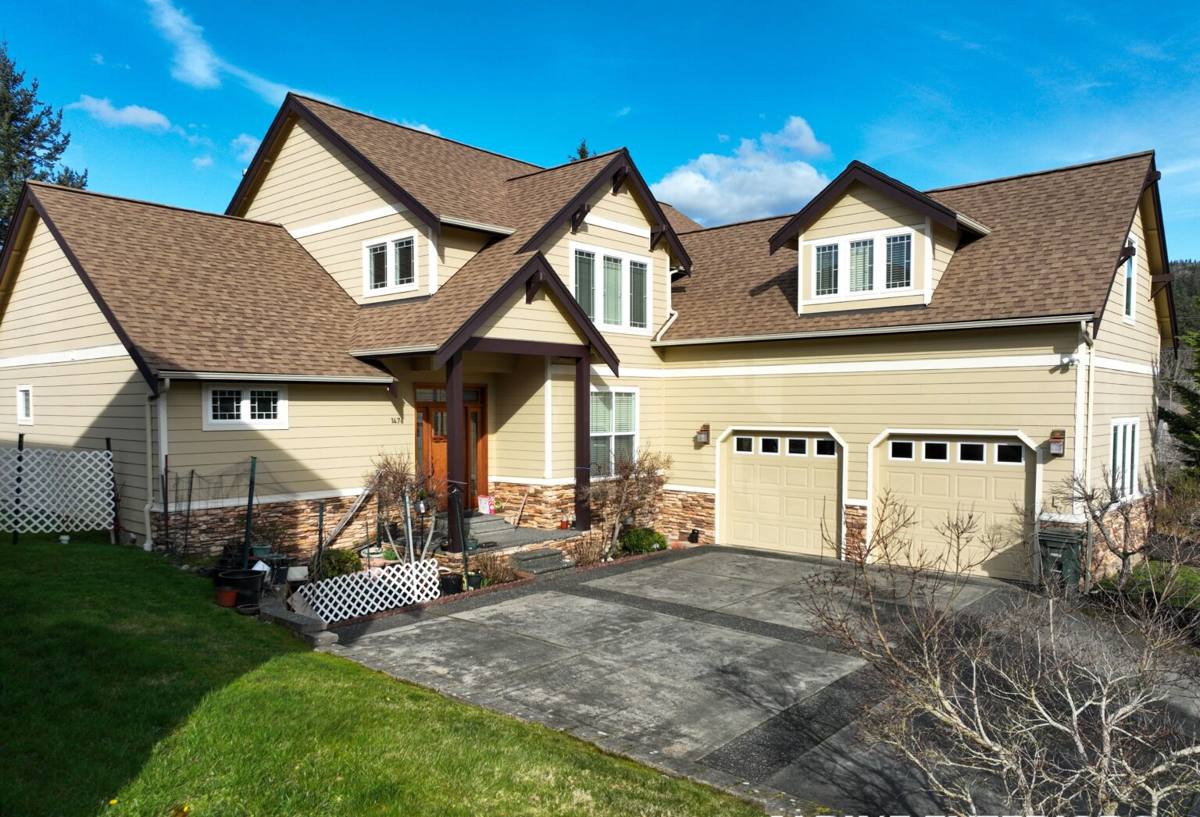
What Birch Bay Homes Actually Need From Their Siding
A lot of homes in Birch Bay are close enough to the water that wind exposure is a real factor in how siding performs, not just how it looks. Whether a house is a full-time residence or a seasonal place that sits empty for stretches at a time, the siding needs to hold up without someone checking on it every week. That means:
- A factory finish that resists salt-air fading and chalking, rather than a field-applied paint job that starts breaking down in a few years near the water.
- Fasteners and trim details that won't corrode or telegraph rust stains down the face of the siding.
- A panel system engineered to shed wind-driven rain at laps, corners, and penetrations rather than one that depends on caulk alone to stay dry.
- A material that won't feed moss, algae, or rot even on the damp, shaded sides of the house that rarely see direct sun.
These aren't abstract concerns — they're the specific failure points we see when siding wasn't matched to this environment in the first place.
Why We Install Only James Hardie Fiber Cement
We don't install vinyl, LP SmartSide, Cemplank, Allura, primed spruce, or cedar. That's a deliberate standard, not a lack of options. Vinyl can warp and fade in sun and wind cycling and simply isn't built to shrug off salt air the way fiber cement is. Wood and primed-wood products look good on day one but ask a lot of ongoing maintenance to stay ahead of moisture, and in a moss-prone, high-humidity environment like Birch Bay, that maintenance burden only grows. Other fiber cement brands exist, but we've standardized on James Hardie because of the specific combination of a non-combustible core, a factory-applied ColorPlus finish, and product engineering built around real climate zones — not because it's the only fiber cement on the market.
What "Climate Engineered" Actually Means
James Hardie makes different formulations for different parts of the country. The HZ5 product line is engineered for the cold, wet Pacific Northwest — designed to resist moisture-related damage in a climate that sees a lot of rain and relatively few freeze-thaw extremes, but a lot of sustained dampness. That's a better technical match for Whatcom County's coastal conditions than a one-size-fits-all siding product, and it's a big part of why we don't treat "fiber cement" as an interchangeable category.
What a Correct Fiber Cement Installation Involves
Fiber cement siding is only as good as the installation behind it. The material itself resists moisture and salt exposure well, but a sloppy install can undermine all of that. On a Birch Bay project, the details that matter most include:
- Proper clearance between the bottom of the siding and grade, decks, patios, and roof lines — too little clearance traps moisture and invites rot at the wall's most vulnerable edge.
- A correctly lapped weather-resistive barrier and flashing at every window, door, and penetration, so wind-driven rain has a drainage path instead of a way in.
- Corrosion-resistant fasteners, driven correctly — not overdriven, not underdriven — since fastener failure is one of the most common causes of premature siding problems near the water.
- Correct panel gaps and joint treatment so the material can handle normal expansion and contraction without opening up seams.
- Field-applied caulking used only where it's actually needed, not as a substitute for proper flashing and lap details.
Common Mistakes We Watch For
The most frequent issues we find on re-siding jobs in coastal Whatcom County homes are siding installed too close to grade or a deck surface, missing or reversed flashing at windows, and fasteners that were never rated for the exposure. Every one of these is invisible from the street for the first year or two — which is exactly why they're dangerous. They show up later as soft trim, staining, or moisture damage that's expensive to trace back to its source.
Our Process for a Birch Bay Siding Project
Every project starts with a walk-around of the existing exterior, checking sheathing condition, moisture history, and any soft spots — especially around window corners and the base of walls facing the water. From there:
- Remove old siding and inspect sheathing; repair or replace any water-damaged sections before anything new goes up.
- Install a correctly lapped weather-resistive barrier and flash all windows, doors, and penetrations.
- Install James Hardie panels or lap siding to manufacturer spec, with attention to clearances, fastening, and joint treatment specific to a wind- and salt-exposed site.
- Finish trim, caulk only where appropriate, and do a final walk-through before cleanup.
We don't skip the sheathing inspection step to save time, even when it means finding something the homeowner didn't know about. Covering up a moisture problem with new siding just delays a much bigger repair.
Fiber Cement vs. Other Siding Options for a Coastal Site
| Material | Salt Air / Moisture Resistance | Maintenance | Typical Lifespan |
|---|---|---|---|
| James Hardie Fiber Cement | Strong — non-combustible, factory ColorPlus finish resists fading and salt exposure | Low — periodic gentle washing | Decades when installed to spec |
| Vinyl Siding | Moderate — can warp or fade faster under sun/wind cycling near water | Low, but limited repair options if damaged | Variable, shorter in harsh exposure |
| Cedar / Untreated Wood | Weak — absorbs moisture, prone to rot and moss growth in shade | High — regular refinishing and moisture monitoring | Shorter without diligent upkeep |
| Primed Spruce / Engineered Wood | Moderate to weak — depends heavily on field finish holding up | Moderate to high | Shorter if finish fails at seams or edges |
This isn't a claim that other materials are unusable everywhere — it's why, specifically for a site like Birch Bay, we've settled on one product system and installation standard instead of offering several.
Living With Moss Season: Maintenance That Actually Matters
No siding is completely maintenance-free in this climate, but the maintenance load looks very different depending on the material. With correctly installed Hardie siding, upkeep is mostly about keeping moss and algae from building up rather than worrying about the siding itself absorbing water. That means an occasional gentle rinse on shaded, north-facing walls, keeping shrubs and trees trimmed back so walls get some airflow and sun, and making sure gutters are clear so water isn't running down the face of the house. None of that is heavy work, and none of it involves repainting or refinishing the siding itself — the factory finish is doing that job.
Why Hiring a Crew That Already Works Birch Bay Matters
Siding installation near the water isn't identical to siding installation a few miles inland. A crew that already works Birch Bay knows which walls typically take the worst of the wind and rain, understands how close a home sits to salt spray exposure, and doesn't treat every job as if it were happening in a sheltered Bellingham neighborhood. That local pattern recognition shows up in small decisions — fastener choice, flashing detail, where to spend extra care — that a generic install wouldn't necessarily catch.
Questions Worth Asking Any Contractor Before You Hire
- Do they install to the manufacturer's published specifications for clearance, fastening, and flashing — and can they explain what those are?
- Do they carry current licensing and insurance for exterior work in Washington?
- Will they register the manufacturer's warranty on your behalf, and do they understand what voids it?
- Have they worked on homes with similar wind and water exposure, not just siding in general?
- Are they willing to walk you through what they find once the old siding comes off, before covering it back up?
A correct installation is the difference between fiber cement siding that lives up to its reputation for decades and one that runs into avoidable problems in year five because a detail got rushed.
If you're weighing a siding project on a Birch Bay home, we're happy to take a look and give you a straightforward, no-pressure estimate — no upsell into products we don't stand behind, just an honest read on what your house needs.