 Bellingham Exterior
 Deck Building Built for Happy Valley's Climate
Happy Valley sits close enough to Bellingham Bay and the surrounding tree cover that decks here take on a specific kind of punishment: salt-laden air drifting in off the water, long stretches of driving rain through fall and winter, and shaded, damp yards that stay wet long after the sun comes out elsewhere in Whatcom County. A deck that would hold up fine in a drier climate can start showing problems within a few seasons here if it wasn't built with this environment in mind. That's the difference between a deck built to a generic plan and one built for this neighborhood specifically.
We're not talking about exotic construction methods. We're talking about getting the ordinary details right — flashing, fastener choice, spacing, drainage — because in a marine climate like ours, the ordinary details are exactly what fail first.
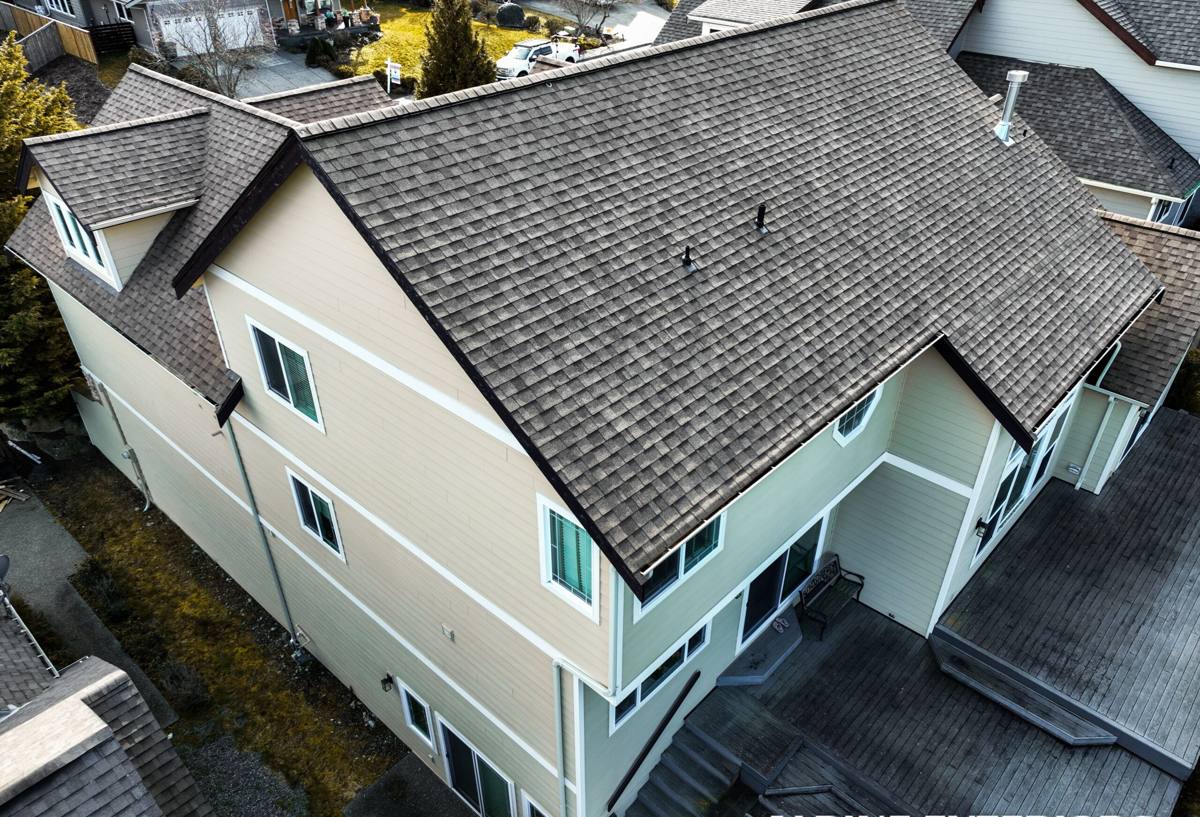
What Happy Valley Homes Actually Need From a Deck
Many homes in this part of Bellingham sit on lots with mature trees, sloped grading, or partial shade from neighboring structures. That combination — moisture plus reduced sun exposure — means decking surfaces and structural framing stay damp longer after rain than they would on an open, sunny lot. A few things matter more here than they would in a drier part of the state:
- Airflow underneath and around the deck so wood and framing can actually dry out between rain events
- Fasteners and hardware rated for coastal or high-moisture exposure, since salt air accelerates corrosion on standard-grade hardware
- Surface materials that resist moss and algae growth, or at least don't trap moisture against the board
- Proper slope and drainage so water sheds off the deck instead of pooling on it or running back toward the house
None of this is unusual for the Pacific Northwest, but it's easy for a builder unfamiliar with local conditions to underbuild these details — especially fastener grade and ventilation — because they don't cause visible problems on day one. They show up two or three years later.
Where Deck Problems Actually Start: Framing and the Ledger
Almost every serious deck failure we get called out to inspect traces back to one of two things: a poorly flashed ledger board, or undersized/poorly protected framing. The ledger — the board that attaches the deck to the house — is the single most important connection on the entire structure, and it's also the point where water intrusion does the most damage if it's not flashed correctly. Water working behind an improperly flashed ledger doesn't just rot the deck; it can work its way into the house's rim joist and wall framing.
On the framing side, we look at joist spacing, beam sizing, and post footings relative to the actual load the deck will carry — furniture, hot tubs, gatherings — not just the minimum the framing lumber could technically support. In our climate, we also treat every cut end, notch, and fastener penetration in pressure-treated lumber as a place water can get in, and seal or protect those points rather than leaving raw cuts exposed.
Footings and Post Bases
Ground contact posts and undersized footings are a common shortcut on older or budget-built decks in this area. In wet, sometimes poorly draining soil, a footing that isn't set below frost depth and properly poured can shift over a few winters, leading to a deck that feels solid when it's new but develops a noticeable lean or bounce within several years. We set posts on proper footings with post bases that keep the wood itself off the concrete and out of standing water.
Choosing a Decking Material for This Climate
There's no single "best" decking material — there's a best fit for your budget, your maintenance tolerance, and how much shade and moisture your specific lot deals with. Here's how the common options actually compare for a Happy Valley setting:
| Material | Upfront Cost | Maintenance in Our Climate | Moss/Mildew Resistance |
|---|---|---|---|
| Pressure-treated wood | Lowest | Annual cleaning and re-sealing recommended | Low — needs regular treatment to resist growth |
| Cedar | Moderate | Periodic staining/sealing to maintain appearance and resist moisture | Moderate — naturally rot-resistant but still needs upkeep |
| Capped composite | Higher | Occasional washing, no staining or sealing | Good — cap layer resists moisture absorption |
| PVC decking | Highest | Occasional washing, no staining or sealing | Best — fully synthetic, doesn't absorb moisture |
We don't push homeowners toward the most expensive option by default. A well-built pressure-treated deck that gets cleaned and sealed on a reasonable schedule will last for years in this climate. The tradeoff is honest: wood costs less up front and asks more of you over time; composite and PVC cost more up front and ask less of you later. Where we do set a standard is on installation quality — proper hidden fastener systems, correct board spacing for drainage, and manufacturer-approved substructure spacing — regardless of which material a homeowner chooses, because a good material poorly installed still fails early.
Moss, Mildew, and Long-Term Drainage
Bellingham's moss season isn't a minor nuisance — on a shaded deck near Happy Valley's tree cover, moss and algae can establish within a single wet season if board spacing and airflow weren't planned for it. A few design choices make a real difference over the life of the deck:
- Board spacing wide enough to let water drain through rather than sit on the surface
- Deck height and skirting designed to allow airflow underneath, not sealed boxes that trap ground moisture
- Gutter and downspout placement coordinated so roof runoff doesn't dump directly onto or under the deck
- Grading beneath the deck that directs water away from posts and footings instead of pooling around them
We also talk homeowners through a realistic maintenance schedule based on the material they choose — what a wood deck needs annually versus what a composite deck needs occasionally — so there are no surprises about upkeep after the project is done.
Permits and Code Requirements
Most new deck construction in Bellingham and unincorporated Whatcom County requires a building permit, particularly for decks attached to the house or built above a certain height off grade. Requirements can also touch on guardrail height, stair geometry, and footing depth. Rather than guess at current code specifics, we pull permits and coordinate inspections as part of the job, so the finished deck is documented and compliant rather than something that could complicate a future home sale or insurance claim.
How Our Deck Building Process Works
- On-site assessment — we look at your lot's grading, shade, tree proximity, and how the deck will connect to the house before recommending a design
- Design and material selection — sizing, layout, railing style, and decking material chosen around your budget and how you'll use the space
- Permitting — we handle the paperwork and schedule required inspections
- Demolition or prep — removal of any existing structure and site prep, including grading for drainage
- Framing — ledger flashing, footings, posts, beams, and joists built to the load and moisture demands of this climate
- Decking and railing installation — surface material and railing installed with attention to fastener grade and drainage spacing
- Final walkthrough — we go over care and maintenance specific to the material you chose before we consider the job finished
What to Ask Before You Hire a Deck Builder
- Do you pull permits and schedule inspections, or is that left to me?
- What fastener and hardware grade do you use, and is it rated for coastal/high-moisture exposure?
- How do you flash and waterproof the ledger board connection?
- Can you show me examples of decks you've built in this area, in this climate?
- What maintenance will this specific material require, and how often?
Why It Matters to Hire a Crew That Already Works Happy Valley
A deck builder who works regularly in this part of Bellingham has already seen how the local combination of shade, salt air, and rain plays out over years, not just during construction. That means fewer assumptions and more decisions grounded in what actually happens to decks in Whatcom County's climate — which fasteners hold up, which drainage details prevent moss buildup, and which framing shortcuts show up as problems two winters later. It also means we're not learning on your project; we're applying what we already know works here.
If you're planning a new deck or replacing one that's showing its age, we're happy to take a look and talk through honest options for your lot, your budget, and how you actually want to use the space. Reach out for a free, no-pressure estimate using the form below.