 Bellingham Exterior
 Windows Built for Lynden's Weather, Not Just Its Curb Appeal
Lynden sits inland from Bellingham Bay, so it doesn't take the direct salt spray that waterfront neighborhoods do. But it sits under the same marine weather pattern as the rest of Whatcom County: long stretches of driving rain off the Pacific, gray winters that never quite dry out, and a moss season that can run from October through April. Old or poorly installed windows don't just let heat out in that climate — they let moisture in, and moisture is what actually damages a house.
When a homeowner in Lynden calls us about windows, the conversation is rarely just about comfort or a lower power bill, though both matter. It's usually about a window that fogs between the panes, a sill that's gone soft, or a room that's noticeably colder than the rest of the house every winter. Energy-efficient windows, installed correctly, solve all of that at once. Installed poorly, they can make water intrusion worse than the windows they replaced.
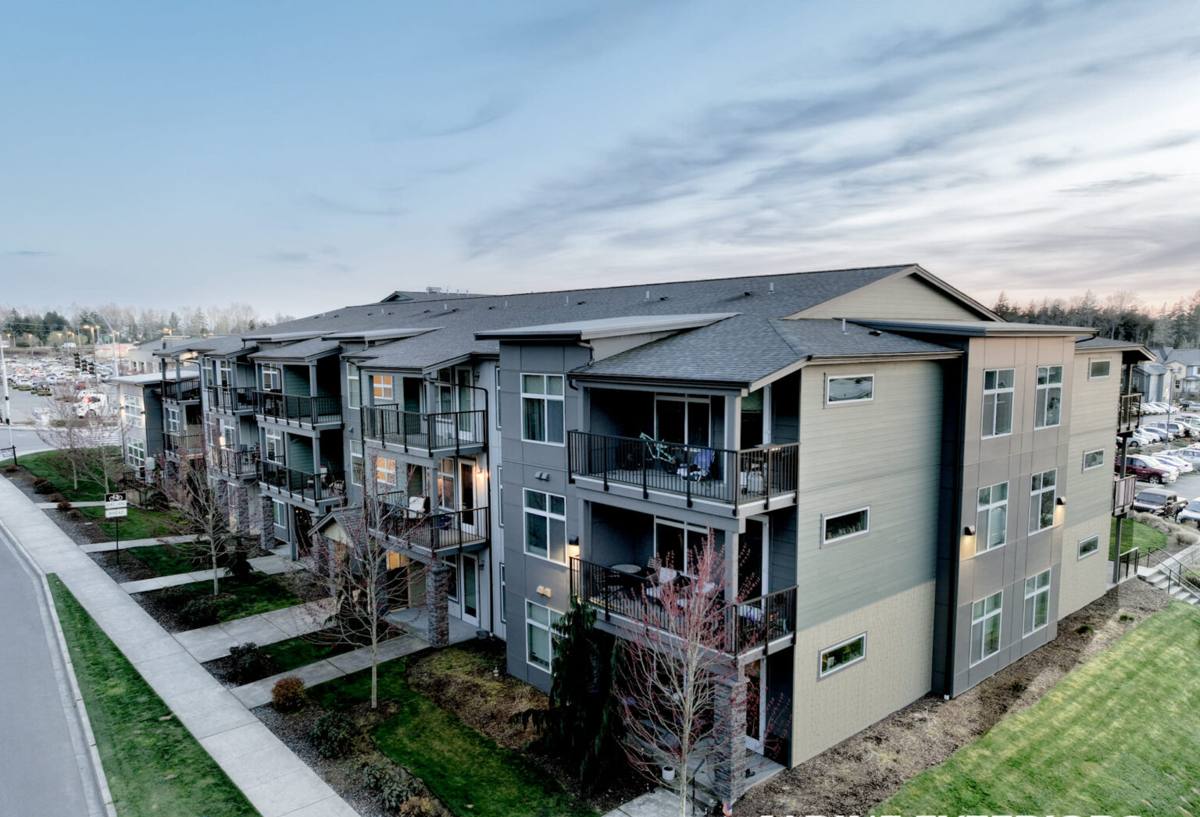
What Damp Winters Do to Aging Windows
Seal Failure and Fogged Glass
Most double-pane windows built in the last few decades rely on a sealed gas space between the panes, held together by a spacer and a perimeter seal. In a climate with constant humidity swings and long cold snaps, that seal is under more stress than it would be in a drier region. Once it fails, moisture gets between the panes and you get permanent fogging that no amount of cleaning will fix. It's one of the most common calls we get in older Lynden homes.
Wood Rot at the Sill and Frame
Wind-driven rain doesn't fall straight down — it gets pushed sideways into the gap between an old window frame and the rough opening. Over years, that repeated wetting breaks down caulk, then paint, then the wood itself. By the time a homeowner notices soft trim or a sticking sash, there's often already rot behind the casing that a simple window swap won't fix on its own.
Drafts That Get Worse With Age
Vinyl and wood both move slightly with temperature and moisture. Weatherstripping compresses and hardens over fifteen or twenty years of PNW winters. The draft you feel standing next to an old window isn't just an annoyance — it's a sign the whole assembly has loosened up enough that both air and water are finding their way through.
What a Correct Energy-Efficient Window Job Actually Involves
"Energy-efficient" gets used loosely in this industry. For a Lynden home, the specs that actually matter are the ones suited to a heating-dominated, low-sun climate — not a hot, sunny one.
- U-factor: This measures how much heat the window lets escape. In Whatcom County's climate, keeping U-factor low matters more than blocking solar heat, since we don't get the intense summer sun that drives cooling costs elsewhere.
- Solar Heat Gain Coefficient (SHGC): Some free solar warmth in winter is actually welcome here. We don't recommend maxing out solar blocking on a house that spends more months heating than cooling.
- Gas fill: Argon between the panes reduces heat transfer compared to plain air. It's a modest cost adder for a real, lasting efficiency gain.
- Warm-edge spacers: The spacer that separates the two panes conducts heat and cold. Warm-edge (non-metal or thermally broken) spacers cut down on the cold-glass-edge effect and reduce condensation risk at the perimeter — a real issue in a humid climate.
- Low-E coatings: A microscopically thin coating that reflects heat back into the room in winter. Standard on nearly every quality window now, and worth confirming rather than assuming.
None of this matters if the installation is wrong. A high-spec window installed with poor flashing will leak before a mid-grade window installed correctly ever will.
Installation Standards We Hold Ourselves To
Water Management Comes First
Before a new window ever goes in, the opening gets inspected for existing damage and prepped with proper flashing — a sequence that directs any water that does get past the exterior cladding back out, not into the wall cavity. In a region with as much sustained rain as ours, skipping or rushing this step is the single biggest cause of window-related water damage we see, and it has nothing to do with the window itself.
Full-Frame vs. Insert (Pocket) Replacement
If the existing frame is sound and square, an insert replacement — fitting a new window into the old frame — is faster and less invasive. If there's rot, settling, or the opening is out of square, we recommend a full-frame replacement so the flashing and water management can be redone properly rather than built around a compromised frame. We'll tell you honestly which situation your house is in rather than defaulting to the faster option.
Sealing and Insulation Around the Unit
The gap between the new window and the rough opening gets filled with low-expansion foam or backer rod and sealant — never just caulked over on the surface. A window that's air-sealed properly on the interior side but not the exterior (or vice versa) can actually trap moisture inside the wall, which is worse than a small draft.
Choosing a Frame Material for a Whatcom County Home
| Frame Material | How It Handles Our Climate | Maintenance |
|---|---|---|
| Vinyl | Won't rot, doesn't need painting, performs well in sustained damp conditions | Low — occasional cleaning |
| Fiberglass | Very stable in temperature swings, strong moisture resistance, holds paint well if color change is wanted later | Low |
| Wood (unclad interior) | Warmest look and feel, but exposed wood needs real protection from our rain and humidity | Higher — refinishing on a cycle |
| Wood-clad (exterior clad, wood interior) | Good compromise — cladding shields the exterior from weather while keeping a wood interior | Moderate |
We don't push one material on every job. A vinyl or fiberglass window is often the more practical choice for exterior exposure in this climate, while a wood-clad unit can make sense on a home where the interior trim and finish matter more to the owner. What we won't do is install an unclad wood exterior window in a high-exposure location and let a homeowner find out the maintenance burden the hard way — we'll say so up front.
Our Process, Start to Finish
- On-site assessment: We look at every window being discussed, check the condition of the surrounding trim and sill, and note any signs of existing moisture damage before quoting anything.
- Honest scope: We tell you which windows are candidates for a simple insert swap and which need full-frame work, and why.
- Precise measurement and ordering: Windows are ordered to the actual opening, not a standard size, which is what keeps the installation tight.
- Removal and prep: Old units come out carefully to protect surrounding siding and trim, and the opening is inspected and repaired if needed before anything new goes in.
- Flashing and installation: Water management first, window set plumb and square, then sealed and insulated correctly on both interior and exterior.
- Finish work and cleanup: Trim, caulking, and touch-up paint as needed, with the job site left clean.
Why a Crew That Already Works Lynden Is Worth Something
Window installation isn't exotic work, but doing it right in this specific climate benefits from having actually done it here before. A crew that regularly works Lynden and the surrounding Whatcom County area knows what a farmhouse-era single-pane window opening usually looks like once the trim comes off, knows how much give to expect in an older frame, and isn't guessing at how the local moss-and-moisture cycle affects sill condition. That familiarity shows up in fewer surprises mid-job and a more accurate quote up front, since we're not pricing blind.
It also matters for follow-up. A local crew is easy to reach if a question comes up six months after the install, rather than a name attached to a one-time job from out of the area.
Cost Factors Homeowners Should Understand
| Factor | Why It Moves the Price |
|---|---|
| Insert vs. full-frame replacement | Full-frame involves more labor, materials, and often exterior trim or siding repair |
| Frame material | Vinyl is typically the most affordable; fiberglass and wood-clad cost more up front |
| Number and size of openings | Larger or custom-sized units cost more than standard sizes |
| Existing damage | Rot repair at the sill or framing adds labor beyond the window itself |
| Access and site conditions | Second-story or hard-to-access windows take more time to remove and set |
We give you a clear, itemized quote so you know exactly what's driving the number, rather than a single lump figure.
A Quick Checklist Before You Replace Windows in Lynden
- Check for fogging or moisture between panes — a sign the seal has already failed
- Press on the sill and lower trim to feel for soft or spongy wood
- Feel for drafts along the frame edges on a windy day
- Note any rooms that run noticeably colder in winter than the rest of the house
- Ask any contractor you're considering how they handle flashing and water management, not just what glass package they sell
- Get a written scope that specifies insert vs. full-frame replacement for each window
If any of this sounds like your house, it's worth having someone look before winter makes the decision for you. We offer free, no-pressure estimates for Lynden homeowners — walk us through what you're seeing and we'll give you a straight answer on what your windows actually need. Use the form below to get started.