 Bellingham Exterior
 Building New in Cordata? Get the Windows Right the First Time
Cordata sits in one of Bellingham's more active growth corridors, and that means a steady stream of new builds, infill homes, and additions going up across the neighborhood. New construction gives you one real advantage over a remodel: you get to install the window correctly into an open wall assembly, with full access to the framing, sheathing, and weather-resistive barrier before anything gets covered up. That's the best possible condition for getting a window installation right — but it's only an advantage if the crew doing the work treats it that way instead of rushing to close in the structure.
Whatcom County's building climate isn't extreme, but it is relentless. Long stretches of steady rain, salt-tinged air moving in off Bellingham Bay and the Strait, and a wet season that runs far longer than most of the country's "moss season" all add up to a lot of cumulative moisture exposure over a building's life. New-construction windows in Cordata need to be selected and flashed for decades of that exposure, not just for the drier months when the framing crew is on site.
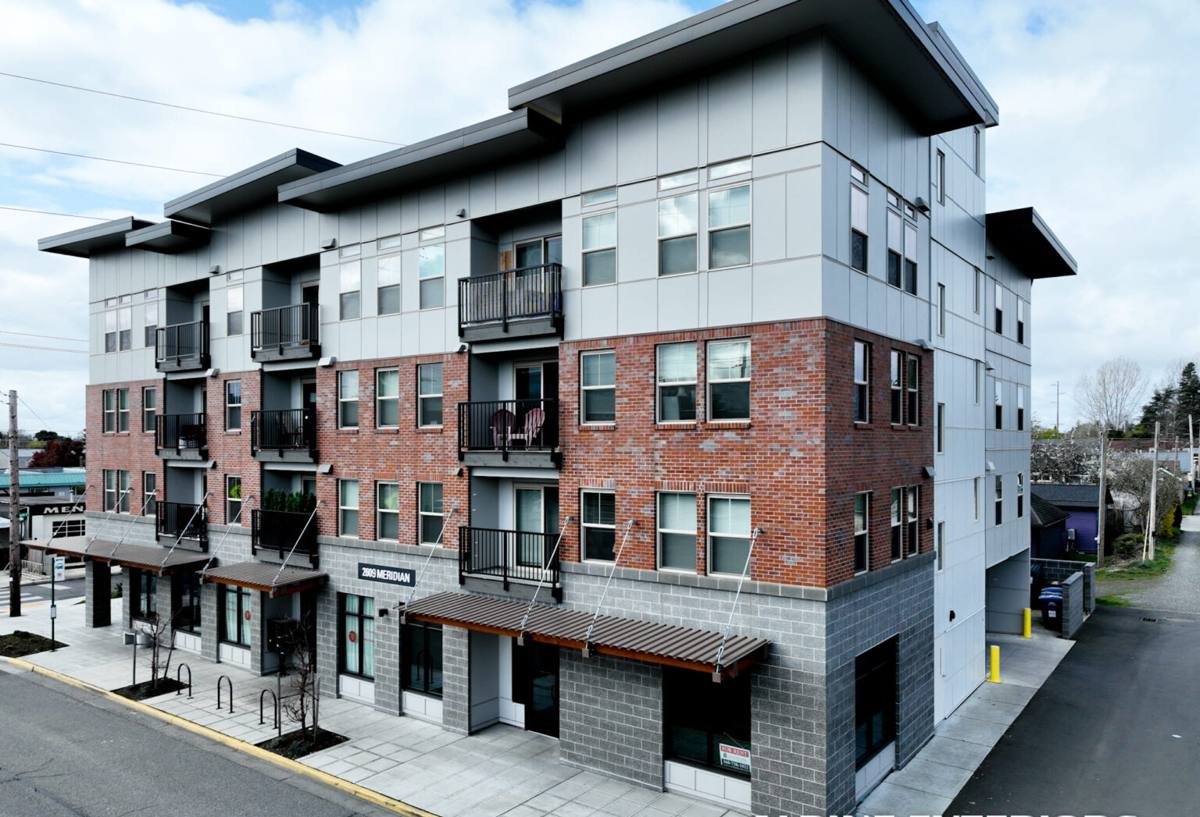
What Cordata's Climate Actually Demands From a Window
Driving Rain, Not Just Rain
Bellingham doesn't get the heaviest rainfall in the state, but a lot of it arrives sideways, pushed by wind off the water. Driving rain finds gaps that vertical rain never would — around nailing flanges, at rough opening corners, and anywhere sealant is doing a job that flashing should be doing instead. A window that's rated for wind-driven rain, and installed with a flashing sequence that assumes wind-driven rain, holds up here. One installed to a bare-minimum standard eventually doesn't.
Salt Air and Hardware Life
Cordata is inland enough that salt exposure is lighter than it is right on the waterfront, but Bellingham Bay air still carries it, and it still shortens the working life of cheap hardware, fasteners, and unprotected metal components over time. Window frame materials, cladding, and hardware finishes all react differently to that exposure — it's worth choosing products with a track record in Pacific Northwest coastal conditions rather than materials tested mainly for drier inland climates.
Moss, Shade, and Sustained Dampness
New builds in Cordata often go up on lots with mature trees or tight lot lines that keep parts of the exterior shaded for much of the day. Shaded, damp surfaces are exactly where moss and algae take hold, and exactly where a window assembly needs a reliable path for incidental moisture to drain back out rather than sit against wood trim or sheathing. This is a detailing issue as much as a product issue — the sill pan and drainage plane matter more than the window brand.
What a Correct New-Construction Window Job Involves
New construction is not just "set the window and nail the flange." A proper installation in this climate follows a sequence, and skipping steps is exactly how a good window ends up with a bad reputation ten years later.
- Rough openings checked for square, level, and correct size before any window arrives on site
- Weather-resistive barrier lapped correctly at the opening, ready to integrate with window flashing
- A sloped sill pan installed at every opening, so any water that gets past the window drains out and away from framing instead of pooling
- Flashing tape or flexible flashing applied in the correct shingle-lap order — sill, jambs, then head — so water always sheds outward and down
- Window set plumb, level, and square in the opening, with proper shimming so it operates correctly for its lifetime, not just on install day
- Fasteners placed per manufacturer spec to preserve the warranty and keep the frame from racking
- Low-expansion foam or backer rod and sealant used appropriately at the interior gap — never foam alone as a substitute for flashing
- Exterior trim and cladding tied back into the flashing system, not just caulked over the top of it
- Final operation check on every unit — sashes, locks, and screens — before the crew leaves the site
Every one of those steps is easy to see and inspect on new construction, because the wall is still open. That's exactly why it's worth having a crew on site that already knows this sequence cold, rather than one that's improvising it for the first time on your house.
Choosing Window Materials and Glazing for This Neighborhood
There's no single "best" window material for every home — the right choice depends on the home's design, budget, and how exposed the openings are to wind and rain. What matters more than the brand name is matching the frame material, glazing package, and installation method to the actual exposure of each wall.
| Factor | Why it matters in Cordata / Bellingham conditions |
|---|---|
| Frame material | Needs to resist moisture-driven warping and hold up to years of damp, shaded conditions without maintenance becoming a burden |
| Glazing package | Double- or triple-pane with a low-E coating helps manage heat loss through our long heating season and reduces interior condensation on cold, damp mornings |
| Wall exposure | South and west-facing walls catching wind-driven rain deserve extra attention to flashing detail, sometimes a higher-performance sill pan or drip cap |
| Sun exposure | Shaded elevations near trees or close-set lots need better drainage detailing since surfaces stay damp longer between dry spells |
| Hardware finish | Corrosion-resistant hardware holds up better against the region's humidity and mild salt exposure than standard-grade hardware |
We'll walk the plan set or the framed openings with you and talk through what actually fits the house — there's no reason to over-spec every window on a home when only a few elevations take the brunt of the weather.
Our Process on a New-Construction Job
Working new construction is different from a retrofit, and the schedule matters as much as the workmanship. We coordinate directly with your builder or general contractor so windows arrive and get installed at the right point in the framing schedule — not so early that the openings shift, and not so late that the crew is racing to dry in the building before weather moves in.
- Plan review and take-off, confirming rough opening sizes and window schedule against the actual framing
- Product selection walkthrough — frame material, glazing, and any elevation-specific upgrades
- Coordination with the builder's timeline so installation lines up with the drying-in schedule
- On-site rough opening inspection before any window is set
- Full sill-pan, flashing, and installation sequence as described above
- Final walkthrough with the builder or homeowner, operation check on every unit
Because we work new construction regularly in this part of Whatcom County, we're used to fitting into a framing schedule without becoming the reason it slips.
Why Local Installation Experience Matters Here
A window flashing detail that works fine in a drier inland climate can fail quietly in Bellingham — not on day one, but three or five winters in, once enough driving rain has found a gap that a drier climate would never have exposed. That's the risk with a crew that doesn't install regularly in this weather: the mistakes don't show up on the final walkthrough, they show up as a stained sill or soft trim years later.
A crew that already works Cordata and the surrounding Bellingham neighborhoods knows the wind exposure patterns, the shaded lots, and the drainage issues that come with the terrain here. That's not a marketing point — it's the difference between a flashing detail chosen from a manual and one chosen because it's been proven to hold up through an actual Whatcom County winter.
Maintenance Expectations After Move-In
Even a correctly installed window still needs basic homeowner upkeep, especially in a climate that stays damp for months at a stretch.
- Keep exterior weep holes and drainage tracks clear of debris, moss, and dirt
- Rinse pollen, salt residue, and grime off frames and glass a couple times a year
- Check and refresh exterior sealant joints at trim edges every few years, since sealant is a maintenance item, not a permanent seal
- Watch for moss buildup on nearby trim or siding, since sustained moss growth holds moisture against the wall
- Operate every window seasonally, even ones rarely opened, to keep hardware and weatherstripping in good shape
None of this is heavy maintenance, but skipping it is how a good window installation slowly turns into a moisture problem — and it's worth building these checks into your regular home upkeep from the start.
Get a Straight Answer for Your Cordata Build
If you're framing a new home or addition in Cordata, we're happy to look at your plans, walk the site, and give you a straightforward read on window selection and installation sequencing before the openings get closed in. Reach out for a free, no-pressure estimate — we'll tell you what the house actually needs, not what's easiest to sell.