 Bellingham Exterior
 Windows Built for the Puget Climate, Not a Catalog Climate
Homes in the Puget area near Bellingham sit in a marine climate that is generous with moisture and unforgiving toward anything installed without it in mind. Salt-laden air off the water, long stretches of driving rain, and a moss season that can run for months put a different kind of stress on windows than you'd see in a drier inland market. A window that performs well on paper can still fail here in five years if it wasn't chosen and installed with this specific climate in mind. Energy-efficient windows for Puget homes have to do two jobs at once: keep conditioned air inside, and keep wind-driven moisture and salt exposure from breaking down the seals, frames, and hardware that make efficiency possible in the first place.
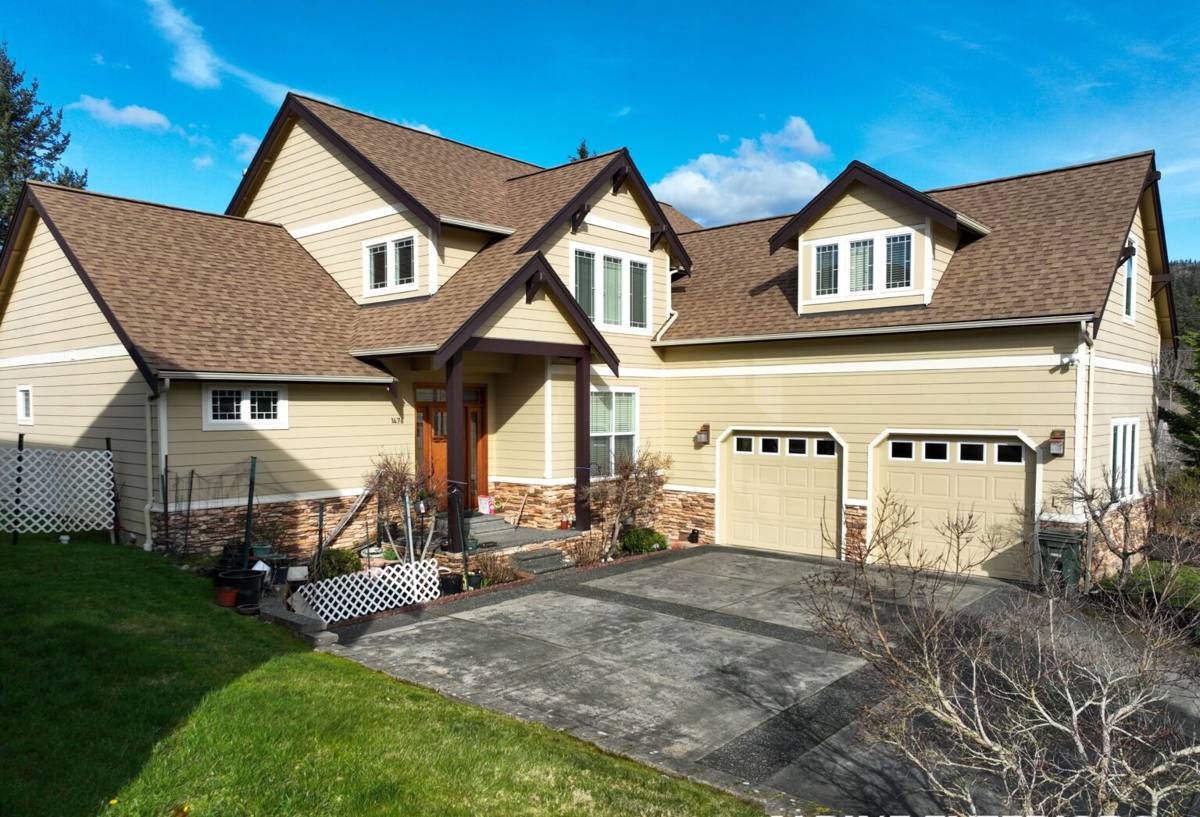
What Salt Air, Driving Rain, and Moss Season Actually Do to Windows
It helps to understand the specific failure modes we see repeatedly on homes in this area, because they shape almost every decision in a proper installation.
Salt Air and Hardware Corrosion
Proximity to the water means airborne salt settles on window hardware, screen frames, and any exposed metal fasteners. Over time this accelerates corrosion on lower-grade hinges, locks, and cranks, and it can pit unprotected aluminum components. It doesn't ruin a window overnight, but it shortens the working life of hardware that isn't rated for coastal exposure.
Wind-Driven Rain and Water Intrusion
Rain that falls straight down is fairly easy to shed. Rain that's being pushed sideways by wind is a different problem — it finds any gap in flashing, sealant, or a poorly bedded nailing flange and drives water behind the siding and into the wall cavity. Most of the water damage we find around older windows in this area didn't come from the glass unit failing; it came from moisture getting in around the frame.
Moss, Algae, and Constant Dampness
A long moss season means extended periods where exterior surfaces stay damp longer than they would in a drier climate. Moss and algae hold moisture against wood trim and sills, which accelerates rot in any wood component that isn't properly sealed or flashed, and it can stain and degrade vinyl and composite surfaces if left unaddressed.
What "Energy-Efficient" Should Mean for a Marine Climate
Energy efficiency isn't a single feature — it's a combination of glass, frame, and installation working together. In this climate, a few factors matter more than others.
U-Factor Over SHGC
In a heating-dominated climate like Bellingham's, the U-factor (how well the window resists heat loss) generally matters more than the Solar Heat Gain Coefficient (how much solar heat it lets in). We don't ignore SHGC, but we don't let a homeowner overpay for solar-control glass designed for a hot, sunny climate when the bigger win here is stopping heat loss through long, gray winters.
Low-E Coatings and Gas Fills
A low-emissivity coating reflects heat back into the room while still letting light through, and an argon or krypton gas fill between panes slows heat transfer compared to plain air. Both are standard on quality units now, but the coating type and fill matter — they should be matched to a heating-dominated, low-sun-angle climate rather than a generic national spec.
Warm-Edge Spacers
The spacer that separates the panes of glass is a common weak point for condensation and heat loss. A warm-edge spacer (versus older aluminum spacers) reduces the cold bridge at the edge of the glass, which matters when interior humidity is already elevated much of the year in this climate.
Frame Material Comparison for This Climate
| Frame Material | Performance in Salt Air / Rain | Maintenance | Typical Cost Tier |
|---|---|---|---|
| Vinyl | Good — won't corrode or rot, some UV/color fade over decades | Low | Lower to mid |
| Fiberglass | Excellent — very stable in wet, temperature-swinging conditions | Low | Mid to higher |
| Wood-Clad | Good if cladding and flashing detail are correct; vulnerable if water gets behind the clad shell | Moderate | Higher |
| Aluminum | Prone to corrosion near salt air unless marine-rated; poor thermal performance without a thermal break | Moderate to high | Varies |
We don't push one material on every homeowner. The right call depends on the home's exposure, existing trim details, and budget — but we'll always explain the trade-offs honestly rather than defaulting to whatever's easiest to install.
Signs Your Current Windows Are Losing to the Climate
Most homeowners don't think about their windows until something obvious goes wrong, but the early signs are usually visible if you know where to look.
- Fogging or a permanent haze between panes — a sign the seal has failed and the gas fill has escaped
- Persistent drafts near the frame even with the window fully closed and locked
- Soft, discolored, or spongy wood at the sill or lower corners
- Visible moss, algae, or black staining building up on the exterior frame or sill
- Hardware that's stiff, corroded, or difficult to lock — especially on the weather side of the house
- Noticeably higher heating bills without a clear explanation
- Cold air you can feel radiating off the glass or frame on a windy, rainy day
How We Approach an Installation on a Puget-Area Home
Replacing a window is straightforward on paper. Doing it correctly in a climate that gets driving rain and salt air for months at a time requires more discipline in a few specific places.
Assessing What's Behind the Old Window
Before anything comes out, we check the condition of the rough opening, sill, and surrounding wall for existing moisture damage. If water has already been getting in around the old frame, that needs to be addressed before a new window goes in — otherwise you're sealing a problem inside the wall rather than fixing it.
Flashing and Moisture Management
This is the single most important step for long-term performance in this climate. Proper flashing — sequenced correctly with the house wrap or building paper so water is always directed outward and downward — is what actually keeps wind-driven rain out, far more than caulk alone. A window with premium glass and poor flashing will still leak.
Sealing and Insulating the Rough Opening
Gaps around the frame get properly insulated and air-sealed, not just caulked on the surface. This closes the air leaks that undercut a window's rated efficiency and helps prevent condensation from forming inside the wall cavity.
Cleanup and Disposal
Old windows, packaging, and debris are hauled off the site. We also do a final check of operation, locking hardware, and weep holes before calling the job finished.
What Affects the Cost of a Window Project Here
Pricing varies enough project to project that we won't quote a number without seeing the home, but these are the factors that generally move the price up or down.
| Factor | Why It Matters |
|---|---|
| Number and size of windows | More openings and larger units mean more material and labor |
| Frame material chosen | Vinyl, fiberglass, and wood-clad sit at different cost tiers |
| Full-frame vs. insert replacement | Full-frame replaces the entire unit including flashing — more work but often necessary when there's existing water damage or a frame is out of square |
| Glass package | Upgraded low-E coatings, triple-pane, or specialty glass add cost |
| Condition of the existing opening | Rot repair, resizing, or trim/siding work adds scope beyond the window itself |
| Access and site conditions | Second-story or hard-to-reach openings take more time and equipment |
Why Local Experience in Puget Actually Matters
A window installer who mostly works drier, inland markets can still do a technically fine install and still get it wrong for this specific location. Knowing how to sequence flashing for wind-driven rain, choosing hardware that holds up to salt air, and timing exterior work around the wettest stretches of moss season isn't something you pick up from a manual — it comes from doing this work repeatedly in Whatcom County's specific conditions. A crew that already understands how this climate behaves plans around it instead of discovering the problem after the first hard rain.
Living With Energy-Efficient Windows in a Wet, Salty Climate
Even a well-installed window benefits from a bit of upkeep in this environment. Rinsing salt film and debris off frames and hardware a couple of times a year helps slow corrosion. Keeping weep holes clear of moss and dirt lets any water that does reach the sill drain out as designed rather than pooling. And a quick visual check of exterior caulking after major storms catches small gaps before they become bigger moisture problems. None of this is heavy maintenance — it's the kind of occasional attention that protects the investment.
If your windows in the Puget area are drafty, fogged, or just past their prime, we're happy to take a look and walk you through honest options for your home. Reach out for a free, no-pressure estimate using the form below.