 Bellingham Exterior
 Fairhaven Roofs Face a Different Set of Problems
Fairhaven sits close enough to Bellingham Bay that salt-laden air is a daily fact of life for anything metal on a roof, and close enough to the water that wind-driven rain hits roof edges and penetrations at angles most inland homes never deal with. Add in the long, wet Whatcom County moss season that runs from fall through spring, and you have a roof environment that ages homes faster than a lot of homeowners expect. A repair that would hold up fine in a dry inland climate can fail in a year or two here if it doesn't account for these conditions.
We repair roofs in Fairhaven and the surrounding Bellingham neighborhoods regularly, and the patterns repeat: fastener corrosion, moss-driven shingle lift, and water finding its way in through flashing that was never quite sealed right for this climate. Good repair work here isn't just about patching what's broken — it's about understanding why it broke in the first place and not repeating the same mistake.
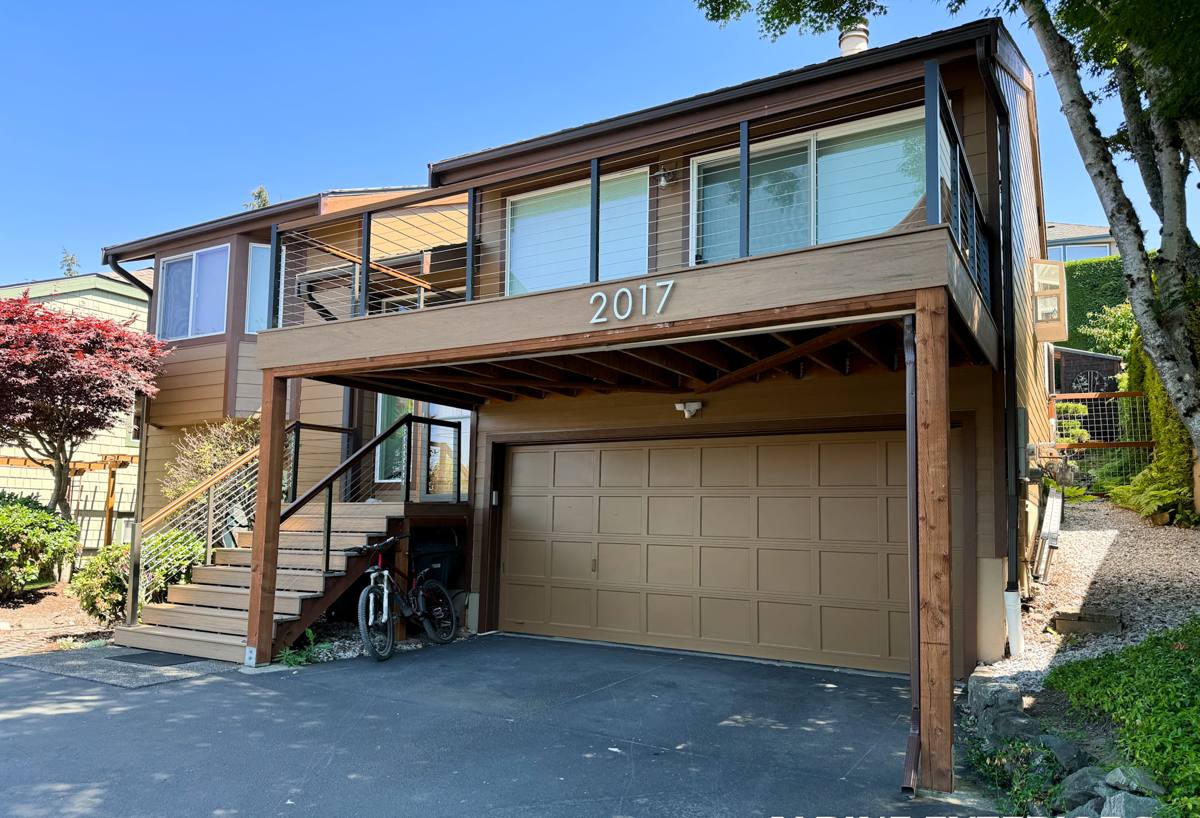
What Salt Air and Moss Actually Do to a Roof
Salt Air and Metal Fatigue
Salt air accelerates corrosion on anything metal on a roof — nail heads, flashing, vent boots, gutter fasteners, and exposed screws on metal roofing panels. Corroded fasteners lose their grip and their seal at the same time, which is how small leaks start at roof penetrations rather than in the open field of the roof. This is a bigger factor for homes closer to the water, which describes a good share of Fairhaven.
Moss and Trapped Moisture
Moss doesn't just look bad — it holds moisture against the roof surface long after rain has stopped, and it works its way under shingle tabs and shakes as it grows. Over a full moss season, that constant dampness breaks down the adhesive seal strip on asphalt shingles and accelerates rot on wood-based roofing. Roofs under tree cover or on north-facing slopes with less sun exposure are hit hardest, and Fairhaven's mature tree canopy means a lot of roofs qualify.
Driving Rain and Wind Direction
Rain that comes in sideways off the bay finds weaknesses that vertical rain never would — under-driven flashing laps, gaps at roof-to-wall transitions, and shingle edges that have lifted even slightly. A repair that only addresses the visible leak point without checking the surrounding flashing and underlayment condition often leaves the underlying vulnerability in place.
Signs Your Fairhaven Roof Needs Repair
Most roof problems give warning signs well before there's an active leak inside the house. Catching them early is almost always cheaper and less disruptive than waiting.
- Dark streaking or green/black growth concentrated on shaded or north-facing roof slopes
- Shingles that look cupped, curled at the edges, or are missing granules in patches
- Rust staining below metal flashing, vents, or fasteners
- Soft spots or slight sagging when walked on, especially near valleys or chimneys
- Water stains on interior ceilings that appear or worsen after a heavy wind-driven storm
- Gutters filling with granules, moss clumps, or shingle fragments
- Daylight visible through the roof deck from inside an attic space
Any one of these on its own might be minor. Several appearing together, or appearing in the same area repeatedly, usually means there's an underlying issue worth a real inspection rather than a quick patch.
What a Correct Roof Repair Actually Involves
A repair that's done right addresses the cause, not just the symptom. That means:
Diagnosing the Real Source
Water travels. A stain on a ceiling in one room can trace back to a flashing failure several feet away, following the roof deck or a rafter before it drips. We trace leaks back to their actual entry point before deciding what to fix, rather than patching wherever the stain shows up.
Matching Materials Correctly
Patching in shingles, flashing, or sealant that doesn't match the existing roof's age, type, or exposure grade creates a weak seam that fails faster than the surrounding roof. We match materials as closely as the existing roof allows, and we're upfront when an exact match isn't available.
Addressing Moss and Debris, Not Just Covering It
If moss or organic debris caused or contributed to the damage, cleaning and treating the surrounding area is part of the repair — not a separate upsell. Patching over active moss growth just means the same failure happens again nearby.
Checking Ventilation and Underlayment
Poor attic ventilation traps moisture against the roof deck from underneath, which can mimic or worsen the effects of exterior leaks. A proper repair includes a quick check of attic ventilation and underlayment condition in the affected area, since fixing the surface without addressing trapped moisture underneath is a short-term fix.
Repair vs. Replacement: How We Help You Decide
Not every roof problem in Fairhaven needs a full replacement, and not every leak can be permanently solved with a patch. Here's how we generally weigh the decision.
| Factor | Favors Repair | Favors Replacement |
|---|---|---|
| Age of roof | Under 60-70% of expected material lifespan | Near or past expected lifespan |
| Extent of damage | Localized to one area or penetration | Widespread across multiple slopes |
| Underlying deck condition | Solid, no rot found | Soft, rotted, or repeatedly wet decking |
| Moss/organic growth | Surface-level, treatable | Long-term growth with shingle breakdown underneath |
| Number of past repairs | First or second repair on this roof | Repeated repairs in the same areas |
We'll tell you honestly which side of this table your roof falls on. If a repair will genuinely hold, we recommend the repair — a roof replacement isn't a small expense, and we don't push for one when it isn't warranted.
Our Roof Repair Process
1. Inspection and Documentation
We inspect the roof surface, flashing, penetrations, and — where accessible — the attic side, and document what we find with photos so you can see exactly what's being repaired and why.
2. Clear Scope and Estimate
Before any work starts, you get a plain-English explanation of what's wrong, what we're fixing, what materials we're using, and what it will cost. No surprise add-ons once the work has started.
3. The Repair Itself
We remove and replace damaged materials, correct any flashing or fastening issues that contributed to the failure, and treat or remove moss and debris in the work area as needed.
4. Cleanup and Final Check
We clear debris, check gutters and downspouts in the repair area for blockages, and do a final walk-through so you know what was done and what to watch for going forward.
Materials and Methods We Use
For most Fairhaven repairs, we work with standard asphalt composition shingles, metal flashing, and, where the existing roof calls for it, cedar shake or metal roofing repair. Our standard is to use corrosion-resistant fasteners and flashing on any repair near the water-facing side of a roof — plain steel fasteners corrode faster in salt air, and replacing them with better-suited materials during a repair is cheap insurance against the same failure recurring in a few years.
We're selective about sealants and adhesives too. Some products look like a fast fix but don't flex well with temperature swings or don't bond reliably to a damp substrate, which is a common condition here for a good part of the year. We use products suited to being applied and cured in cooler, wetter conditions, since a sealant that needs a dry, warm day to cure properly isn't realistic for a lot of the Bellingham repair season.
Why Hiring a Crew That Already Works Fairhaven Matters
Roofing crews that mostly work drier, inland climates sometimes underestimate what salt air and a long moss season do to a roof over time, and they may not default to the corrosion-resistant fasteners or moss-focused prep that this environment calls for. A crew that regularly works Fairhaven and the greater Bellingham area already knows which failure points show up again and again in this specific setting, and builds the repair around preventing that repeat, not just today's leak.
Local experience also means faster, more accurate diagnosis. We've seen the same roof types, the same exposure patterns, and the same moss and salt-related failures often enough to know where to look first, which saves time and keeps the inspection cost-effective.
Get a Straightforward Roof Repair Estimate
If you're noticing moss, staining, missing granules, or an active leak on your Fairhaven home, it's worth having a real inspection rather than guessing. We'll walk the roof, explain exactly what we find, and give you an honest recommendation — repair or replacement — along with a clear, no-pressure estimate using the form below.