 Bellingham Exterior
 Building New in Sehome? Get the Windows Right the First Time
Sehome sits close enough to Bellingham Bay that salt-laden air is a daily fact of life, and close enough to the hillside and tree cover that shade, moisture, and moss are constant companions for anything installed outdoors. If you're framing a new home or a major addition in this neighborhood, the window package you choose and how it's installed will decide whether you're dealing with fogged glass, soft trim, and drafty rooms in five years — or windows that are still doing their job in thirty.
New-construction windows are a different job than replacement windows. They go in before the siding, before the interior trim, and before the house is weathertight. That's an advantage — you get to build the water management system correctly from the studs out — but only if the crew doing the work understands what Whatcom County's marine climate actually throws at a building envelope.
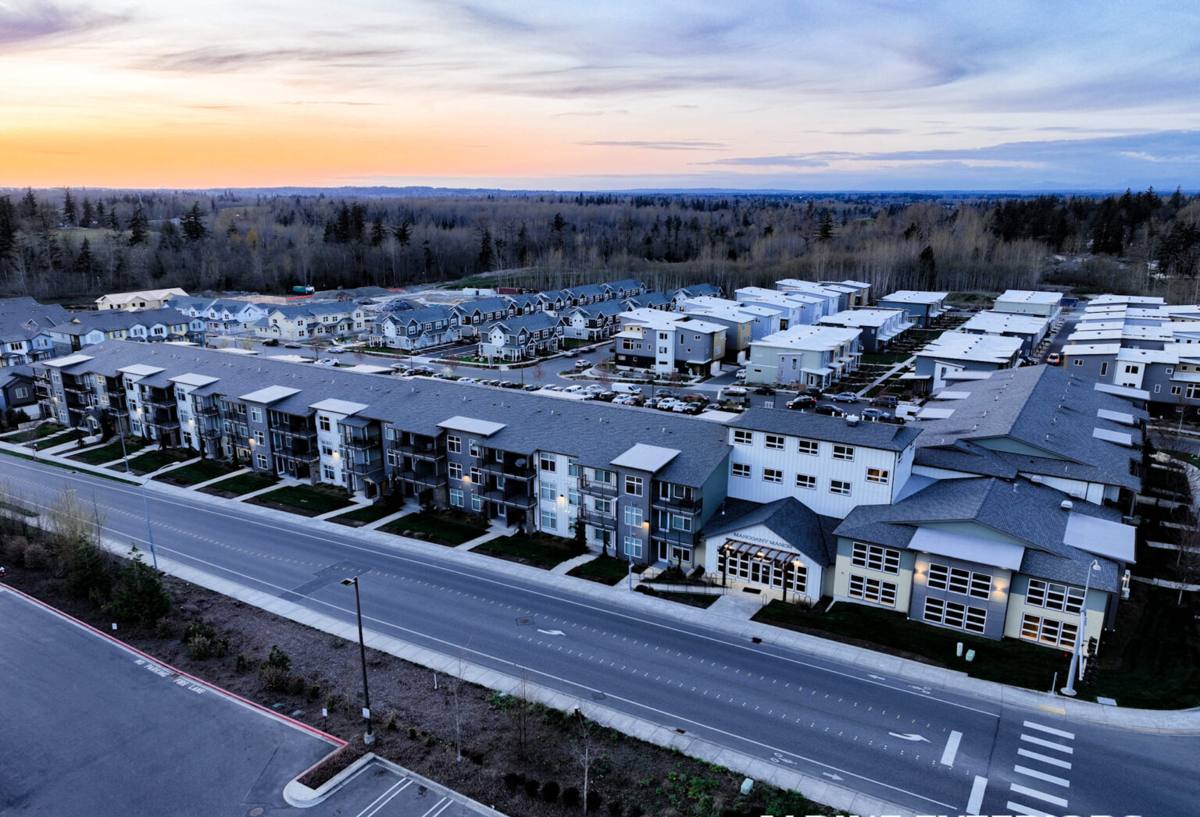
What Bellingham's Climate Actually Does to a Window Opening
It's not just "it rains a lot here." A few specific conditions matter more than people expect:
- Wind-driven rain: Storms off the Strait and the Sound push rain sideways into wall assemblies, not just straight down. A window that's only sealed against vertical rain will leak in a gusty winter storm.
- Salt air corrosion: Proximity to the bay accelerates corrosion on fasteners, hinges, and lesser window hardware. Cheap cladding and low-grade screws show pitting and staining faster here than they would inland.
- Long wet season, short dry window: Whatcom County's dry, low-humidity stretches for exterior work are shorter than in most of the country. Sealants and flashing tapes need to be installed correctly the first time, because there isn't always a convenient dry week to fix a mistake before winter.
- Moss and organic growth: Shaded lots and north-facing walls stay damp longer, which speeds up moss and algae growth on sills, trim, and anywhere water is allowed to sit instead of shed.
None of this means new construction in Sehome is unusually risky — it means the water management details have to be right, because the climate won't forgive shortcuts.
New-Construction vs. Replacement Windows: Why the Distinction Matters
Replacement windows are installed into an existing, already-clad wall — the installer works around trim and siding that's already there. New-construction windows have a nailing fin (or flange) that gets integrated directly into the wall's water-resistive barrier before siding goes on. That means the window becomes part of the building's drainage plane, not something patched into it later.
This is a real advantage during new construction, but it also raises the stakes on sequencing. If the flashing and house wrap details around a new-construction window are done out of order or skipped, the mistake gets buried under siding and interior finish — and it won't show up as a leak until years later, often as hidden rot rather than an obvious drip.
Why This Matters More on a Coastal Marine Site
On a drier site, a minor flashing shortcut might go unnoticed for a decade. In Bellingham's wet, wind-driven climate, water finds those gaps much faster. Getting the sequencing right during framing is cheaper and more reliable than any repair after the walls are closed up.
What a Correct Installation Actually Involves
A window opening isn't just a hole with a frame in it — it's a small system of layered materials designed to shed water down and out, never in. For new construction, that system typically includes:
1. Rough Opening Preparation
The opening is sized, squared, and checked for level before the window ever shows up. A frame installed slightly out of square will bind, won't seal evenly, and puts stress on the corners over time.
2. Sill Pan Flashing
A sloped or pan flashing at the bottom of the opening gives any water that gets past the window a path back outside instead of into the wall cavity. This is one of the most commonly skipped details on lower-quality builds, and it's one of the most important on a wet-climate site.
3. Window Placement and Fastening
The window is set, shimmed for level and square, and fastened through the nailing fin per the manufacturer's schedule — not just "enough nails to hold it." Corrosion-resistant fasteners matter here, given the salt air.
4. Flashing Tape and Integration with the Water-Resistive Barrier
Flashing tape at the sides and top integrates the window fin with the house wrap in the correct shingle-lap order — bottom, sides, then top — so water draining down the wall sheds over each layer instead of behind it.
5. Sealant and Backer Rod
Exterior sealant at the trim and interior air sealing at the frame both matter — one manages bulk water, the other manages air leakage and condensation risk. They're not interchangeable and both get skipped more often than they should be.
Choosing Materials That Hold Up in This Climate
Frame material and glass package both affect how a window performs against salt air, driving rain, and the region's mild-but-damp temperature swings.
| Frame Material | How It Handles Bellingham's Climate | Maintenance Reality |
|---|---|---|
| Vinyl | Good moisture resistance, no corrosion risk from salt air, stable performance in mild coastal temps | Low — occasional cleaning, no painting or refinishing needed |
| Fiberglass | Excellent dimensional stability in temperature and humidity swings, strong resistance to moisture-driven warping | Low to moderate — durable finish, higher upfront cost |
| Wood (clad exterior) | Good insulating value, but the exposed wood core is vulnerable if the exterior cladding or sealant ever fails in a wet climate | Higher — finish and sealant joints need periodic inspection |
| Aluminum | Prone to corrosion in salt-air environments unless properly finished; thermally less efficient without thermal breaks | Higher — watch for pitting and corrosion near the bay |
For most new construction in Sehome, we steer homeowners toward vinyl or fiberglass frames with a quality low-E glass package — not because other materials can't work, but because they demand more upkeep to perform well long-term in a wet, salt-air environment, and that's a maintenance burden worth being upfront about before you commit.
Our Process for New-Construction Window Installation
- Plan review: We look at the window schedule and rough opening sizes against the actual framing before install day, so surprises get caught early, not mid-install.
- Opening inspection: Every rough opening gets checked for square, level, and correct dimensions before a window goes in.
- Flashing and sill pan installation: Sill pans and flashing tape go in following manufacturer instructions and standard shingle-lap sequencing.
- Window setting: Windows are shimmed, squared, and fastened to the manufacturer's schedule.
- Water-resistive barrier integration: House wrap and flashing tape are tied together so the drainage plane is continuous around the opening.
- Interior and exterior sealing: Air sealing inside, weather sealing outside — done as separate, deliberate steps.
- Final check: We walk every opening before siding goes on, since that's the last point where a flashing mistake is easy and cheap to fix.
Mistakes We Watch For on Sehome Builds
Most window failures we get called about aren't the window's fault — they're installation sequencing errors that took years to show up. On new construction, this is your one chance to prevent them before they're hidden behind siding and drywall.
- Skipped or improperly sloped sill pan flashing
- Flashing tape applied out of shingle-lap order, letting water track behind the barrier instead of over it
- Window fins fastened with too few nails or the wrong fastener type for a coastal environment
- Gaps left between the window frame and rough opening with no backer rod or sealant
- Interior air sealing skipped, leading to condensation risk at the frame during cold, damp months
- Trim installed before the window's water management details are verified and covered
What Drives Cost on a New-Construction Window Job
| Factor | Why It Affects Cost |
|---|---|
| Window count and size | More openings and larger units mean more material and labor hours |
| Frame material | Vinyl is typically the most budget-friendly; fiberglass and clad-wood cost more upfront |
| Glass package | Upgraded low-E coatings and gas fills add cost but improve comfort and energy performance |
| Wall height and access | Second-story or hard-to-access openings take more time and equipment |
| Flashing complexity | Custom shapes, bays, or multi-unit combinations require more detailed flashing work |
We'll walk through actual numbers against your specific plans — broad ranges on a page like this rarely reflect what your build will really need.
Why Hire a Crew That Already Works in Sehome
New-construction window installation isn't something you want a crew learning on the job. A team that regularly works Bellingham builds already knows how Whatcom County's wet season affects scheduling, which flashing details actually hold up against wind-driven rain off the bay, and how salt air changes what "good enough" hardware looks like elsewhere but isn't good enough here.
That local experience shows up in small decisions — sequencing flashing around a bump-out, choosing fasteners that won't pit near the water, timing the install around a break in the rain — that don't show up on a spec sheet but make the difference between windows that perform for decades and ones that need attention in year six.
Get a Free Estimate for Your Sehome Build
If you're framing a new home or addition in Sehome and want the window package planned and installed correctly from the start, we're happy to take a look at your plans and walk the site. There's no pressure and no obligation — just a straightforward look at what your build needs and what it'll take to get it done right. Fill out the form below to get started.