 Bellingham Exterior
 Edgemoor's Waterfront Climate Is Harder on Siding Than Most of Bellingham
Edgemoor sits close to Bellingham Bay, and that proximity to open water changes what siding has to survive here compared to homes further inland. Salt-laden air off the bay accelerates corrosion on fasteners, trim, and any siding material that isn't engineered to resist it. Add Whatcom County's long wet season — driving rain that comes in sideways off the water during winter storms — and you have a combination that finds every weak point in a siding system: gaps at trim, undersized flashing, caulk used where a mechanical detail should have been used instead.
The tree cover common to Edgemoor's lots adds a third factor: shade and moisture that don't dry out quickly. That's a long moss and algae season, often eight or nine months out of the year on north-facing walls and anywhere sun doesn't reach the siding directly. Materials that absorb moisture or that need a painted film to stay protected are the first to show it — streaking, soft spots, and paint failure well ahead of what the same product would show in a drier part of the state.
None of this means Edgemoor homes need something exotic. It means the siding material and the installation details both have to be chosen for a marine, high-moisture, low-sun environment — not for a national average climate.
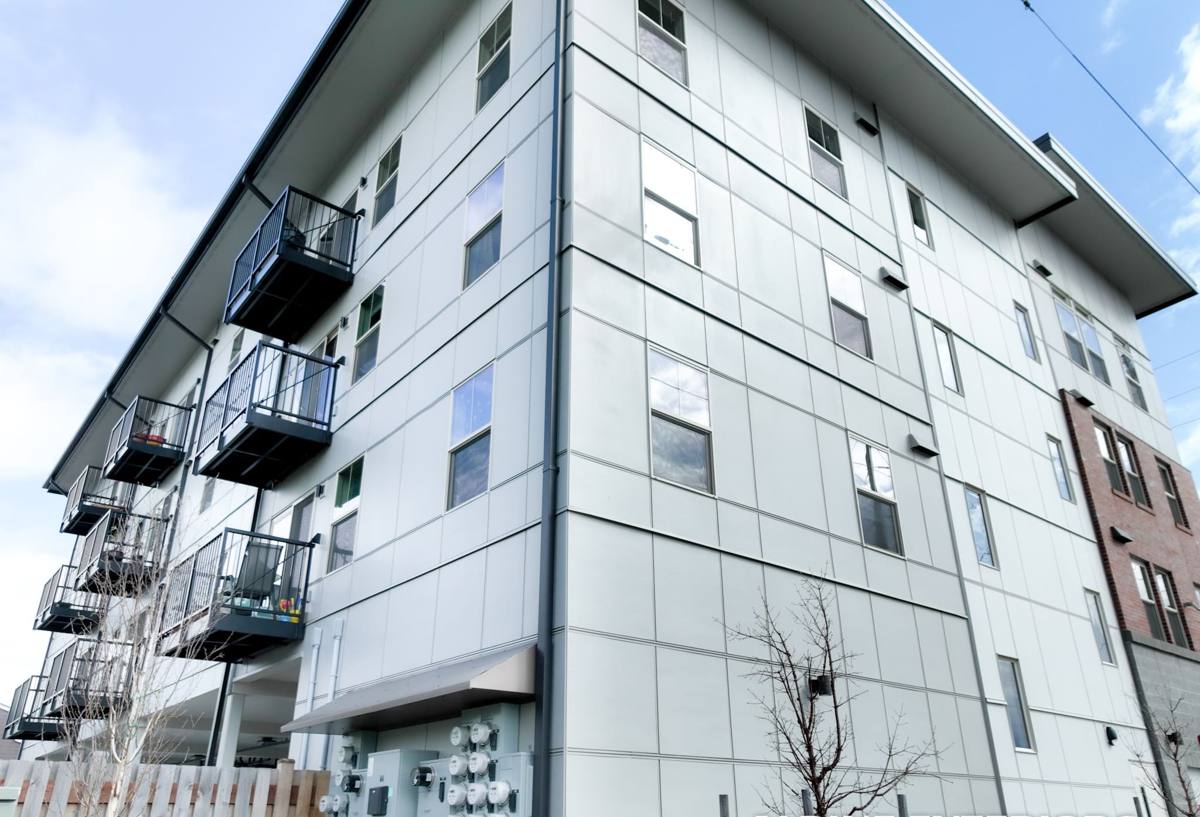
What a Correct Siding Job Actually Requires in This Setting
A siding installation that holds up on a bay-adjacent, tree-shaded lot isn't just about the panel you see. Most of the siding failures we get called out to inspect in this part of Bellingham trace back to what's behind the siding, not the siding itself.
Water Management Comes First
Every wall needs a drainage plane — a weather-resistive barrier installed correctly, lapped the right direction, with a rainscreen gap where the wall assembly calls for it. In a climate that gets sustained wind-driven rain, siding is not the primary waterproofing layer; it's the first line of defense, and the layer behind it is what actually keeps a house dry over decades.
Flashing and Trim Details
Window heads, deck ledgers, and any horizontal trim need metal flashing, not caulk, as the primary water-shedding detail. Caulk fails; it's a maintenance item, not a waterproofing strategy. On salt-air sites we also pay attention to fastener material — the wrong fastener corrodes years before the siding around it shows any wear, and a rust-streaked fastener head is often the first visible sign of a bigger moisture problem underneath.
Ventilation and Clearance
Siding needs to dry out between rain events. That means proper clearance off grade, off decks and patios, and away from irrigation spray. On shaded, moisture-prone lots this detail matters more than on a sunny, open lot where the sun does some of that drying work for you.
Why We Install Only James Hardie Fiber Cement
We made a deliberate decision to install one siding system — James Hardie fiber cement — and to turn down jobs that call for something else. That's not brand loyalty; it's a response to what we've seen hold up, and what doesn't, in exactly this kind of climate.
Fiber cement is dimensionally stable and doesn't absorb water the way wood-based or wood-composite products can. That matters directly in Edgemoor's combination of humidity, shade, and salt air, where anything prone to swelling, delaminating, or holding moisture against its own substrate is working against the climate instead of with it. James Hardie's HZ5 product line is specifically engineered for the kind of freeze-thaw and moisture-cycling conditions the Pacific Northwest sees, and its ColorPlus factory finish is baked on under controlled conditions rather than field-applied — which means the color layer isn't dependent on the weather conditions on installation day, and it holds up longer against the fading and chalking that field-applied paint shows first.
Fiber cement is also non-combustible, which is a genuine advantage regardless of region, and its warranty structure is transferable, which matters to homeowners who may sell within the warranty period. We don't install LP SmartSide, vinyl, Cemplank, Allura, primed spruce, or cedar. Each of those has real strengths and a legitimate place in the market — but each also comes with a moisture, maintenance, or longevity trade-off that we're not willing to put our name behind on a project we're responsible for. Choosing one material and installing it correctly, every time, is how we can stand behind the work.
Our Installation Process for Edgemoor Homes
- Site assessment — we walk the exterior, check existing water damage, note sun exposure, tree cover, and proximity to the bay, and identify any rot or moisture already trapped behind the current siding.
- Tear-off and substrate inspection — old siding comes off and sheathing is inspected before anything new goes up. Soft or damaged sheathing gets repaired, not covered over.
- Weather-resistive barrier and drainage plane — installed and lapped correctly, with a rainscreen gap on walls that need one given shade and moisture exposure.
- Flashing at every penetration — windows, doors, deck ledgers, and any horizontal trim get metal flashing as the primary water-shedding detail.
- James Hardie installation to manufacturer spec — correct fastener type and spacing, correct clearances off grade and other surfaces, and joints detailed to shed water rather than trap it.
- Final walk-through — we go over the finished job with the homeowner and point out anything they should know for long-term care.
Signs an Edgemoor Home May Need New Siding
- Soft or spongy spots when you press on the siding, especially near the bottom of walls or below windows
- Persistent moss or algae growth that comes back quickly after cleaning
- Paint that's peeling, bubbling, or chalking heavily on shaded or bay-facing walls
- Visible gaps, warping, or buckling panels
- Rust streaking below fastener heads or trim
- Rising energy bills that suggest the wall assembly isn't performing the way it should
- Interior signs — musty smell, staining, or soft drywall near exterior walls
Any one of these on its own might not mean a full re-side is needed. Several together, or a home that hasn't had its siding inspected in over a decade, usually warrants a closer look.
Cost Factors for a Siding Installation
Every home is different, and we don't quote pricing without seeing the site, but the factors below are what typically move a project's cost up or down.
| Factor | Why It Matters |
|---|---|
| Existing wall condition | Rot or damaged sheathing found during tear-off adds repair scope before new siding can go on |
| Home size and wall complexity | More corners, gables, and trim details mean more labor and material |
| Siding profile chosen | Lap width, shingle-style panels, and trim combinations vary in material and install time |
| Access and site conditions | Tight lots, slopes, and tree-covered yards common in Edgemoor can affect staging and scaffolding needs |
| Window and trim work | Replacing or re-flashing openings during the siding job adds cost but avoids re-opening the wall later |
Why a Crew That Already Works Edgemoor Matters
Edgemoor's lots aren't generic suburban builds — many sit close to the water, on slopes, or under mature tree canopy, which changes how a crew stages material, protects landscaping, and sequences a tear-off so a home isn't exposed to weather overnight. A crew that's worked the neighborhood before already knows what to expect from the site conditions and the permitting process in the City of Bellingham, and isn't learning those lessons on your project.
Local familiarity also shows up in smaller ways: knowing which walls in this kind of setting need extra attention to moss and moisture, recognizing early signs of salt-air corrosion on fasteners and trim, and building in the drying time and drainage details that this specific microclimate demands rather than applying a one-size-fits-all installation.
Caring for James Hardie Siding on a Bay-Adjacent Home
- Rinse siding periodically to keep salt residue and organic buildup from accumulating, especially on bay-facing walls
- Trim back vegetation and tree limbs that keep siding shaded and damp longer than necessary
- Check caulking at trim and penetrations annually and touch up before gaps let water in
- Keep gutters and downspouts clear so roof runoff isn't running down the wall
- Address any soft trim, rust staining, or moss regrowth early rather than waiting for a full inspection cycle
James Hardie siding, installed correctly, is low-maintenance compared to wood-based alternatives, but "low-maintenance" isn't "no-maintenance" — a little attention each year goes a long way in this climate.
Ready to Talk About Your Edgemoor Home
If your siding is showing its age, or you just want an honest read on where your home stands, we're happy to take a look. There's no pressure and no obligation — just a clear assessment from a crew that knows what Bellingham's waterfront neighborhoods do to a home's exterior. Fill out the form below to schedule a free estimate.