 Bellingham Exterior
 Storm Damage on Silver Beach Roofs Doesn't Look Like Storm Damage Everywhere Else
Silver Beach sits close enough to open water that its roofs deal with a different mix of weather stress than homes further inland in Whatcom County. Wind off the water drives rain sideways into eaves and valleys instead of straight down, salt-laden air accelerates corrosion on exposed metal, and the tree cover common in this part of Bellingham means moss and organic debris build up fast in the shaded, damp months. A storm here rarely does one clean, obvious thing to a roof. More often it's a combination: a few lifted shingles on the windward slope, a soaked patch of underlayment nobody notices until a ceiling stain shows up weeks later, and moss that was already loosening granules before the wind ever got involved.
That combination matters when you're diagnosing damage. A roof that looks fine from the ground after a storm can still have compromised seals, torn flashing, or saturated decking that only becomes obvious once it's causing an interior leak. Our approach for Silver Beach starts from that reality — we're not just looking for missing shingles, we're checking the spots where wind-driven rain and long-term moisture exposure tend to combine.
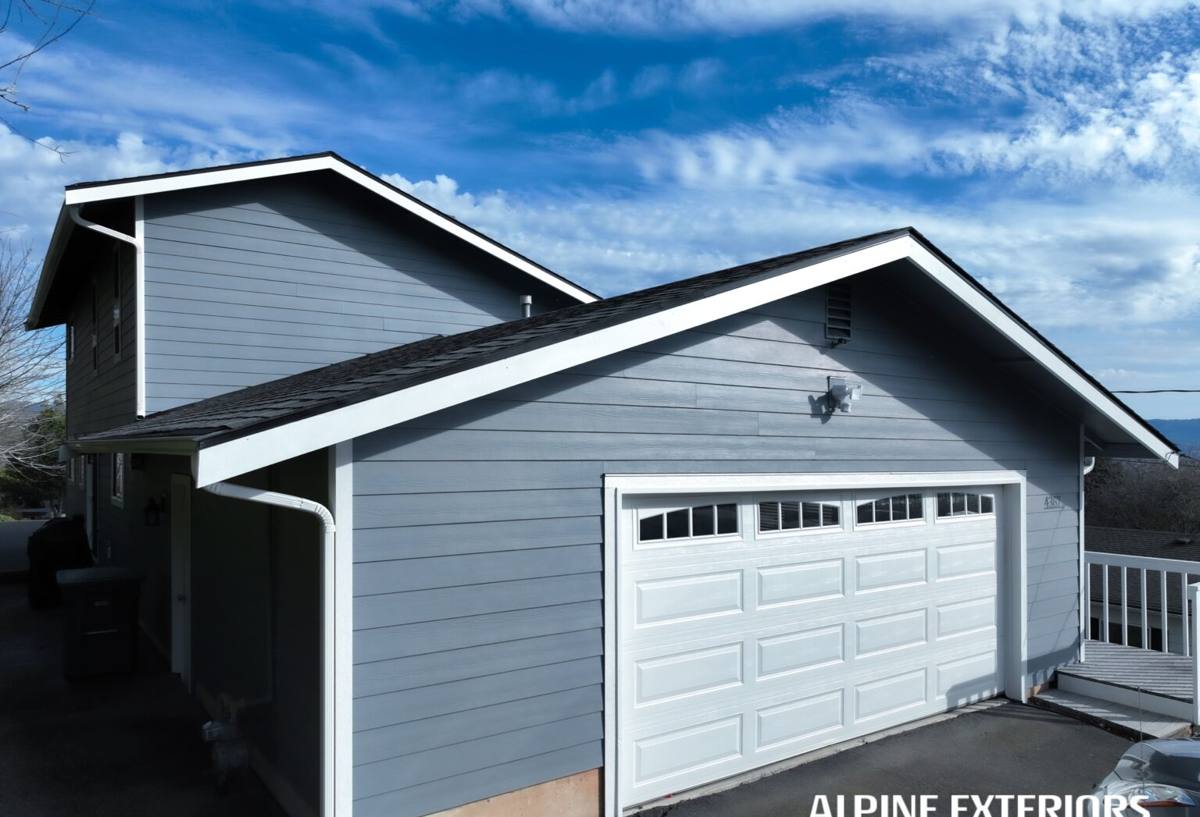
What Actually Counts as Storm Damage
Not every roof problem after a windy, wet stretch is "storm damage" in the insurance or repair sense, and it's worth knowing the difference before you call anyone out.
Storm-related issues we commonly find
- Shingles lifted, creased, or torn loose by wind, especially along ridges and roof edges
- Flashing pulled away from chimneys, vents, or wall intersections by wind uplift
- Punctures or bruising from wind-driven debris — branches, cones, loose material from neighboring properties
- Granule loss and exposed mat on shingles that took direct wind and rain impact
- Water intrusion at valleys or low-slope transitions where wind pushed rain uphill under the shingle line
Pre-existing wear that a storm just exposed
- Moss-lifted shingles that were already losing their seal before the wind arrived
- Aged, brittle flashing sealant that failed under normal weather, not storm force
- Gutter and downspout clogs from moss and needle debris that caused backup, not wind damage
We'll tell you honestly which category applies to your roof. It affects both the repair approach and, if you're filing a claim, how the damage should be documented.
How We Handle a Storm Damage Call in Silver Beach
1. Fast, thorough inspection
We walk the roof and check the attic from inside when access allows, since interior signs — staining on rafters, damp insulation, daylight at flashing points — often tell us more than what's visible from a ladder. We also check gutters and downspouts, since a moss-clogged drainage system is a major contributor to storm-related leaks in this area.
2. Honest scope, in writing
You get a clear list of what's damaged, what's simply worn, and what repair options make sense — with square footage, materials, and labor spelled out. No pressure to replace more than what's actually needed.
3. Temporary protection when it can't wait
If there's active leaking or exposed decking, we get a tarp or temporary seal in place before scheduling the permanent repair. Bellingham weather doesn't pause for a repair calendar, and a properly secured tarp buys time without making the eventual repair harder.
4. The repair itself
Matched shingles or roofing material where possible, correctly lapped and sealed flashing, and underlayment replaced anywhere it was saturated — not just patched over. We don't shingle over wet decking; if the sheathing took on water, it gets dried out or replaced before anything goes back down.
5. Follow-up check
For repairs done during an active wet stretch, we recommend a follow-up look after the next hard rain to confirm the fix is holding under real conditions, not just dry-weather inspection conditions.
Repair Approaches: What Fits Different Types of Storm Damage
| Damage Type | Typical Repair | What to Watch For |
|---|---|---|
| Isolated wind-lifted shingles | Re-seal or replace individual shingles, re-nail as needed | Matching shingle age/color; sealing correctly so it doesn't lift again next storm |
| Flashing pulled from chimney or vent | Re-set and re-seal flashing, replace if metal is corroded | Salt-air corrosion on older galvanized flashing — sometimes full replacement is more durable than patching |
| Localized leak from valley or low-slope area | Pull back shingles, replace underlayment, correct flashing detail, reinstall | Underlying decking condition — don't reinstall over wet or soft plywood |
| Moss-related lifting combined with storm damage | Moss removal, treatment, repair of lifted areas, gutter clearing | Treating moss without addressing why it's growing there (shade, debris buildup) means it comes back |
| Debris puncture or impact damage | Cut out and replace damaged section down to sound decking | Hidden bruising around the impact point that isn't visible until granules wear further |
Why Moss and Salt Air Deserve Their Own Line Item
A lot of storm damage repair advice is written for drier, inland climates and doesn't account for what a long Pacific Northwest wet season does to a roof between storms. In Silver Beach and similar shaded, waterside parts of Whatcom County, moss isn't cosmetic — it holds moisture against the shingle surface for weeks at a time, which breaks down the granule layer and loosens the shingle's seal well before any wind event. When a storm does come through, those moss-affected shingles are the first to lift or tear.
Salt air compounds this on the metal components — flashing, fasteners, gutter hardware. Corrosion weakens the seal points that are supposed to keep wind-driven rain out in the first place. So a proper storm repair here often includes moss treatment and a look at metal condition, not just shingle replacement, because skipping those means the same section of roof is likely to fail again in the next storm cycle.
Insurance and Documentation
If you're planning to file a homeowner's insurance claim for storm damage, documentation matters as much as the repair itself.
- We photograph damage before starting any work, including areas that show clear wind or impact patterns versus general wear
- We provide a written scope of damage and repair that you can submit alongside your claim
- We're straightforward with adjusters about what's storm-caused versus what's pre-existing wear — inflating a claim isn't something we'll do, and it can jeopardize the whole claim if discovered
- We can point out where moss or debris contributed to the failure, since adjusters sometimes ask about maintenance history
We're not a public adjuster and don't negotiate your claim for you, but a clear, honest repair estimate makes that process faster on your end.
What to Check Before You Hire Anyone After a Storm
Storm damage brings out door-knockers offering fast, cheap repairs — some legitimate, some not. A few things worth confirming before you sign anything:
- A physical business address and phone number you can verify, not just a truck and a business card
- Current Washington state contractor license and liability insurance, provided without hesitation when asked
- A written estimate that itemizes materials and labor, not a vague lump-sum number
- Willingness to show you the actual damage on your roof before recommending a repair or replacement
- No demand for full payment upfront before any work has started
- References or an established local presence in Bellingham or Whatcom County, not just a regional storm-chasing crew that showed up after the weather event
Why a Crew That Already Works Silver Beach Makes a Difference
Roofing crews that work this specific stretch of Bellingham regularly build a working sense of how these roofs actually age — which flashing details tend to fail first in wind off the water, how fast moss regrows in the shaded lots here, which shingle lines hold up better against salt air over the long run. That's different from general roofing knowledge, and it shows up in the repair: fewer callbacks, fewer surprises once the shingles come up, and a repair that's built for the next storm season, not just patched to pass a quick look.
It also means faster response. Storm damage that sits exposed for days waiting on a crew from outside the area is storm damage that gets worse — a small leak becomes soaked decking, a lifted shingle becomes three missing ones. Being local to Bellingham and familiar with Silver Beach means we can usually get eyes on the roof and a tarp up quickly when it matters.
Get a Straightforward Look at Your Roof
If a recent storm has you wondering whether your roof took real damage or just needs a closer look, we're happy to come out, walk the roof, and give you an honest answer — no pressure, no inflated scope. Use the form below to request a free estimate, and we'll get back to you to schedule a time.