 Bellingham Exterior
 Window Installation Built for South Hill's Exposure
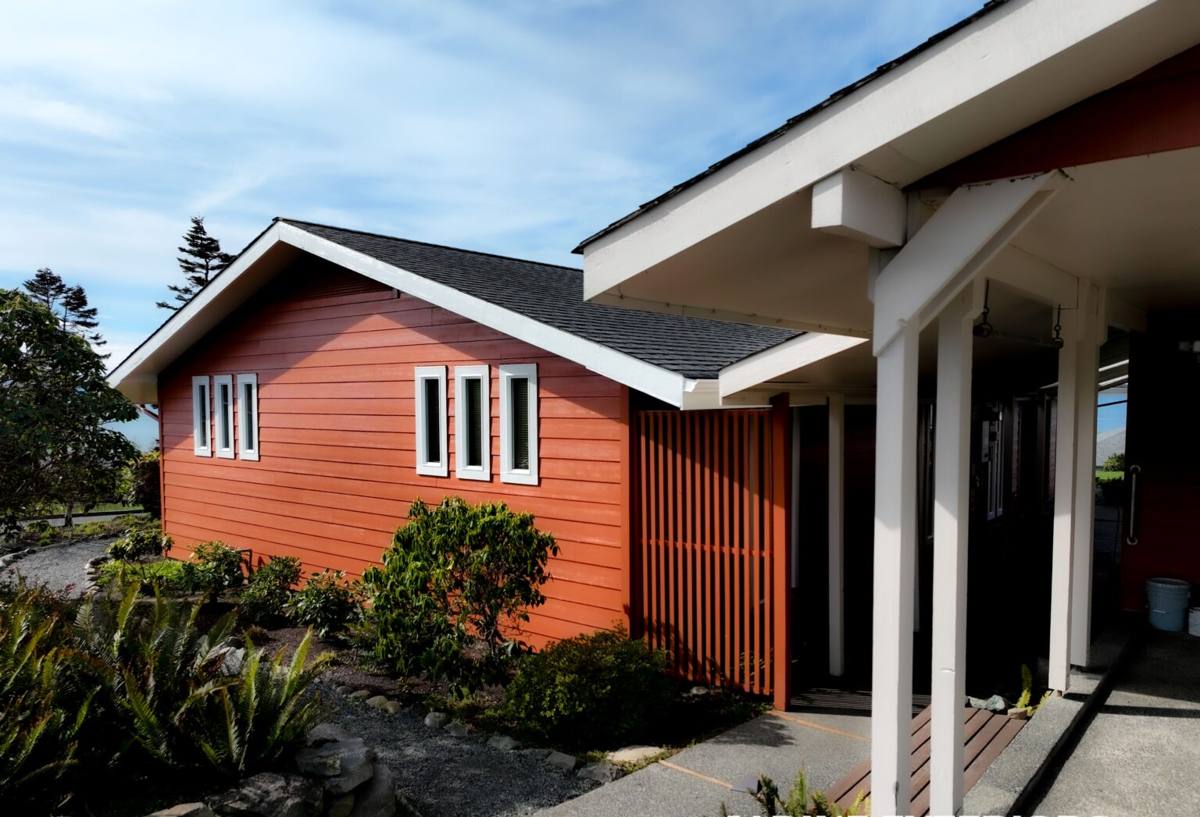
South Hill sits up on the slope above downtown Bellingham, and that elevation is a mixed blessing. Homeowners get the views, but they also get more of what comes off Bellingham Bay: salt-laden air, driving rain that hits window walls at an angle instead of falling straight down, and long stretches of gray, damp weather that keep everything around a house wetter, longer, than homes further inland. Add in the moss season that hits Whatcom County every fall through spring, and windows on South Hill properties take a steady beating that flatland homes in drier parts of the state simply don't see.
Window installation here isn't just a swap-and-caulk job. It's a water-management job first and a comfort/efficiency job second. Get the flashing and sealing wrong and a brand-new window will leak within a year or two, hidden behind trim where nobody sees it until the sheetrock or sill is already soft. This page covers what South Hill homes actually need from a window installation, what a correct job looks like, and how our process works.
Why South Hill Homes Wear Out Windows Faster
Wind-Driven Rain Off the Bay
Rain that comes in sideways doesn't behave like rain that falls straight down. It gets pushed up under trim, into nail fin gaps, and behind siding laps that were never detailed to handle horizontal pressure. On an elevated, more exposed lot, that wind-driven rain is a bigger factor than most homeowners realize until they start seeing staining or soft wood around a window opening.
Older Housing Stock and Original Openings
Many South Hill homes are older, with window openings that were framed and flashed to the standards of their era — standards that assumed less water pressure than today's building codes plan for. When a window from that era finally fails, the opening behind it often needs real correction, not just a like-for-like replacement dropped into the same gap.
Moss, Shade, and Slow-Drying Wood
Mature trees and hillside shade keep parts of a house from drying out between storms. Moss and algae growth around sills and trim hold moisture against wood and painted surfaces far longer than direct sun would allow. That slow-drying cycle is exactly what accelerates rot at the bottom corners of window frames — almost always the first place a window fails.
Signs Your South Hill Home Needs New Windows
Not every drafty window needs full replacement, and not every old window is a lost cause. These are the signs worth taking seriously:
- Fogging or a permanent haze between the panes of a double-pane window (the seal has failed and can't be repaired)
- Soft, spongy, or discolored wood at the bottom corners or sill of the frame
- Visible daylight or a noticeable draft around the sash when the window is closed and locked
- Windows that are difficult to open, close, or lock, especially after damp weather
- Paint that keeps failing or bubbling on the interior or exterior trim, even after repainting
- Noticeably higher heating bills in a room with older single-pane or early double-pane glass
- Visible gaps, cracked caulk, or staining on interior drywall below or beside the window
If you're seeing two or more of these on a given window, it's worth having someone look at the opening itself, not just the sash.
What a Correct Window Installation Actually Involves
Flashing and Water Management
The window unit itself is almost never what fails first — the flashing around it is. A correct installation integrates the window with a water-resistive barrier and flashing tape in the right layering order, so that any water that does get past the exterior finish is directed back out, not trapped against the framing. On a wind-exposed South Hill lot, this step matters more than the window brand.
Air Sealing, Not Just Caulk
A bead of caulk around the exterior trim is not an air seal. Properly sealing a window means addressing the gap between the window frame and the rough opening with backer rod and sealant or low-expansion foam, then finishing the exterior with sealant that's rated for the sun and moisture exposure of that specific wall. Skipping this step is one of the most common ways a "new window" still feels drafty.
Full-Frame vs. Insert Replacement
An insert (or "pocket") replacement fits a new window into the existing frame and is faster and less disruptive, but it only works well if the existing frame is still sound. A full-frame replacement removes the old unit down to the rough opening, which costs more and takes longer, but it's the only way to actually correct old or damaged flashing. On older South Hill homes, we won't recommend an insert replacement over a frame that's already showing rot — it just seals the problem behind a new window instead of fixing it.
Choosing the Right Frame Material for This Climate
There's no single "best" window material for every home — it depends on budget, the home's style, and how much exposure that particular wall gets. Here's how the common options compare for a wet, salt-air, coastal-hillside climate like South Hill's:
| Frame Material | Moisture Performance | Maintenance | Best For |
|---|---|---|---|
| Vinyl | Good — won't rot, handles humidity well | Low | Budget-conscious replacements, rental or investment properties |
| Fiberglass | Excellent — very stable in wet/dry cycling, resists salt-air corrosion | Low | Homes with heavy weather exposure or long-term ownership plans |
| Wood-Clad | Good on the exterior (clad), but interior wood still needs care | Moderate | Historic or character homes where interior wood trim matters |
| Aluminum | Fair — durable but prone to condensation and thermal transfer | Low to moderate | Modern or commercial-style openings, less common for residential retrofits here |
For most South Hill homes we work on, fiberglass or a quality vinyl unit gives the best balance of moisture performance and cost. Wood-clad stays a strong option for owners keeping a home's original character, as long as everyone understands the added maintenance.
Our Installation Process
- On-site assessment. We look at the actual opening, not just the window — checking for existing rot, flashing condition, and how exposed that wall is to wind and rain.
- Honest scope and quote. We tell you upfront whether an insert replacement will hold up or whether the opening needs a full-frame correction, and why.
- Removal. Old units come out carefully, with the opening inspected before anything new goes in. Any soft framing or damaged sheathing gets flagged and addressed, not covered over.
- Flashing and water barrier integration. This is the step that determines whether the window lasts. We integrate flashing tape and the house wrap in the correct shingle-lap order so water is always directed outward.
- Window set and shim. The unit is leveled, plumbed, and shimmed so it operates smoothly and seals evenly — a window that's slightly out of square will fail its seal early no matter how good the product is.
- Air sealing and exterior finish. Interior gaps are sealed properly, exterior trim and sealant are finished to shed water, not trap it.
- Walkthrough. We test operation and locking, and walk you through anything you should watch for during the first rainy season.
Permits, Codes, and Energy Requirements in Bellingham
Window replacement in Washington State falls under the state energy code, which sets minimum performance requirements for U-factor and solar heat gain — those numbers matter more here than in drier climates, since a poorly rated window contributes to both heat loss and condensation in a damp coastal environment. Certain window replacements, particularly those that change the size of an opening or involve bedroom egress windows, may require a permit through the City of Bellingham. We handle that determination as part of the quote so there are no surprises — and we won't cut corners on egress sizing in a bedroom, even if a smaller opening would be cheaper.
Why a Local South Hill Crew Makes a Difference
A crew that already works this side of Bellingham has seen what happens to windows on this specific terrain — which walls take the worst of the wind-driven rain, how older South Hill framing was typically built, and how much moss and shade exposure a given lot is likely to deal with. That's not something you get from a general statewide install crew that shows up once and moves on. It shows up in small decisions: which flashing detail to use on a particular wall orientation, whether an opening needs extra attention before the new window goes in, and setting expectations about maintenance that actually match this climate instead of a generic install checklist.
After Installation: Keeping Windows Performing Through the Wet Season
A correctly installed window still benefits from a little seasonal attention in a climate like this one:
- Rinse or brush moss and algae buildup off sills and trim before it holds moisture against the surface
- Check exterior caulk lines once a year, especially after the first winter, for cracking or separation
- Keep gutters and downspouts clear so water isn't sheeting down across window walls
- Trim back vegetation that's keeping a window area shaded and slow to dry
- Open and close each window a few times going into fall to catch any operating issues before wet weather sets in
If you're weighing whether your South Hill home's windows need attention, we're glad to take a look and give you a straight answer — including telling you if a window doesn't need replacing yet. Reach out for a free, no-pressure estimate using the form below.