 Bellingham Exterior
 Sudden Valley sits back from the water and under a lot of tree cover, which makes it one of the more distinct pockets of the Bellingham area to work on. Homes here deal with less direct wind than a bluff-top property but a lot more shade, humidity, and standing moisture on north-facing walls. Add in Whatcom County's long wet season and the salt-laden air that moves inland off Bellingham Bay and Puget Sound, and you've got a climate that's genuinely hard on window frames, seals, and trim — even when the glass itself still looks fine.
We've replaced windows on enough Sudden Valley homes to know the failure patterns are a little different than what we see on more exposed sites closer to downtown Bellingham. This page covers what actually goes wrong with windows out here, what a correct replacement job looks like, and how we run the project from estimate to final walkthrough.
Why Windows Fail Faster in a Wooded, Lake-Adjacent Setting
It's tempting to assume that a sheltered, tree-covered property is easier on a house than a windy one. In some ways it is — less direct wind-driven rain — but the tree cover creates its own problems:
- Slower drying time. Shaded walls and window sills stay damp longer after a storm, which is exactly what moss, algae, and wood rot need to get established.
- Sap, needles, and debris collect in window tracks and weep holes, blocking the drainage path that's supposed to let water escape from behind the frame.
- Higher ambient humidity near the lake keeps condensation forming on interior glass and sashes more often, which over time works into wood frames and finger-jointed trim.
- Salt-influenced air moving inland from the bay contributes to corrosion on window hardware — hinges, cranks, and locking mechanisms — faster than in a dry inland climate.
None of this means the windows are being installed wrong. It means the region asks more of a window's seals, finish, and drainage design than most manufacturers assume in their standard warranty testing, and it means maintenance windows are shorter than homeowners expect.
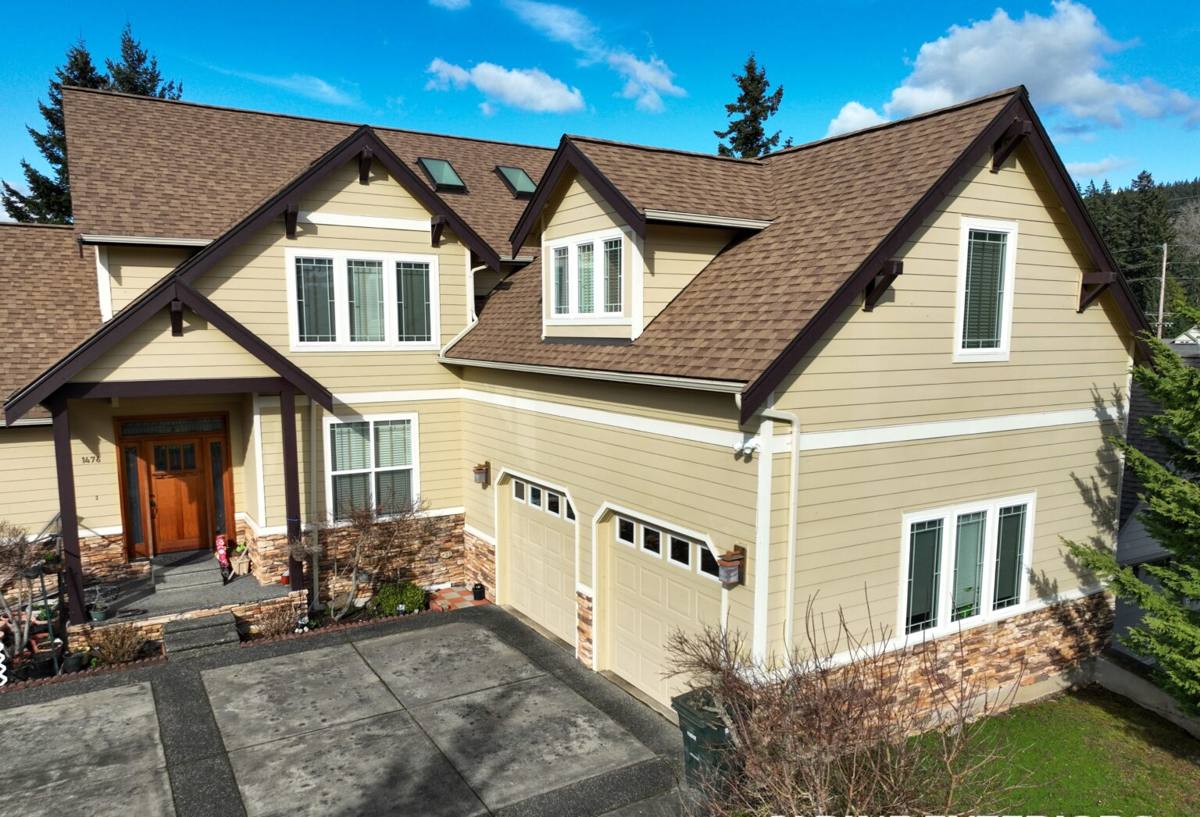
What a Correct Window Replacement Actually Involves
The window unit itself is maybe a third of the job. The rest is what happens around it, and it's the part that determines whether you get 20+ years out of the install or a callback in three winters.
The parts that matter most in our climate
- Flashing and weather barrier integration — the new window has to tie into the existing house wrap or building paper correctly, with proper shingle-lap sequencing so water sheds down and out, never behind the siding.
- Sill pan installation — a sloped, sealed pan under the rough opening gives any water that does get past the window a way out instead of a place to pool.
- Backer rod and low-expansion sealant at the interior and exterior gaps, not just foam — foam alone isn't a weather seal.
- Fastening per the manufacturer's schedule — skipped fastener points are a common cause of frame flex and seal failure down the road, especially on larger picture and slider units.
- Interior finish and insulation — the gap between the new frame and the framing needs to be insulated (not overpacked) and finished cleanly, since a poorly insulated perimeter shows up as cold spots and condensation on the interior trim.
Any of these steps done wrong will eventually show up as a leak, a soft spot in the sill, or fogged glass — and by the time it's visible, there's usually already hidden damage in the wall.
Choosing a Window Built for This Climate
There's no single "best" window brand — the right choice depends on your home's exposure, your budget, and how much upkeep you want to take on. What matters more than the label is the frame material, the glazing package, and how well the unit's drainage system is engineered.
Frame material trade-offs
| Frame Type | Moisture Behavior | Maintenance | Typical Cost Position |
|---|---|---|---|
| Vinyl | Won't rot; seams and welds need to be well-made to stay watertight | Low — occasional cleaning | Lower to mid |
| Fiberglass | Very stable in wet/dry cycling, resists warping | Low | Mid to higher |
| Wood / wood-clad | Handsome, but exterior wood or clad joints need consistent upkeep in a damp, shaded setting | Higher — regular inspection and refinishing | Higher |
| Aluminum | Durable but conducts cold, prone to condensation on interior frame | Low | Varies |
For a shaded, humid property like a typical Sudden Valley lot, we generally steer homeowners toward vinyl or fiberglass for exterior-facing rooms, simply because they don't give moss and moisture an organic surface to work on. If you want the look of wood, a wood-interior/clad-exterior unit gets you the appearance without exposing raw wood to the weather — it's a maintenance and budget conversation, not a right-or-wrong one.
Glazing and hardware
Double-pane, low-E glass is standard and performs well here. Triple-pane can be worth it on rooms with heavy exposure or on the lake-facing side of a property, mainly for comfort and noise, though the payback is more about comfort than energy savings alone. Whatever glazing you choose, ask about the hardware finish — corrosion-resistant hardware is worth the small upcharge in an area with humid, salt-influenced air.
Our Process, Start to Finish
- On-site assessment. We look at every window being considered, check for hidden rot at sills and corners, and note drainage and sun/shade exposure per elevation — a north wall under trees gets treated differently than a south-facing wall.
- Straightforward proposal. You get a written scope covering frame material, glazing, flashing approach, and a firm price — no vague allowances.
- Scheduling around the weather. We plan install days with the forecast in mind and only open a rough opening when we can get flashing and the unit sealed the same day.
- Removal and inspection. Old units come out carefully so we can see the actual condition of the framing and sheathing behind them before anything new goes in.
- Correct installation. Sill pan, flashing, fastening schedule, and sealant done to spec — not shortcuts to save an hour.
- Interior and exterior finish. Trim, caulking, and touch-up done cleanly on both sides.
- Walkthrough. We operate every window with you, confirm locks and cranks work smoothly, and answer questions before we consider the job done.
Signs Your Sudden Valley Home May Need Window Replacement
Not every window problem means full replacement — sometimes it's a seal or hardware repair. Here's what tends to point toward replacement rather than a fix:
- Fog or moisture trapped between panes (a failed seal on double-pane glass)
- Soft or spongy wood at the sill or lower corners
- Visible moss or dark staining on the frame or exterior trim that keeps coming back after cleaning
- Windows that are hard to open, close, or lock, or that have warped out of square
- Noticeable draft or a cold wall around the window frame in winter
- Condensation forming on the interior glass or frame more than occasionally
- Rising energy bills without another clear explanation
If Your Property Has Community or Architectural Guidelines
Some Sudden Valley properties fall under a homeowners or community association with guidelines on exterior appearance — window style, color, grid pattern, or trim details. If that applies to your home, it's worth checking your association's requirements before finalizing a window style so the approval process doesn't hold up your project. We're happy to work from whatever specifications your association requires and provide the product documentation they typically ask for.
Why a Crew That Already Works Sudden Valley Matters
Window replacement is one of those jobs where local, hands-on experience actually changes the outcome. A crew that's worked this specific area already knows:
- Which elevations on a shaded, wooded lot tend to hold moisture longest, and where to pay extra attention to flashing and sealant
- How Whatcom County's wet season affects install scheduling and cure times for sealants and finishes
- What condition to expect behind older window units on homes of this area's typical age and construction
- How to work efficiently on properties with limited street access or tighter driveways common in the neighborhood
That familiarity means fewer surprises once a wall is opened up, and a more accurate estimate from the start — because we're not guessing at how this climate treats a house, we're working from what we've already seen on homes nearby.
Get a Straightforward Estimate
If your windows are drafty, fogged, sticking, or just showing their age, we'll come take a look and give you an honest read on what's actually needed — replacement, repair, or nothing yet. The estimate is free, there's no pressure, and you'll get a clear written scope before any work starts. Use the form below to get started.