 Bellingham Exterior
 Windows Built for Sunnyland's Weather, Not Just Its Openings
Sunnyland's mix of older single-family homes and mid-century builds means a lot of original window openings that were never square to begin with, plus decades of paint, settling, and past "fix it and move on" repairs. Custom window work here isn't about picking a style off a shelf — it's about measuring what's actually there, accounting for how the house has shifted over the years, and installing something that seals correctly on day one. In a part of Bellingham that sees near-constant moisture for much of the year, a window that's slightly out of plumb or poorly flashed doesn't just look bad. It leaks, and it keeps leaking in ways that are hard to see until the sheathing underneath is already compromised.
We approach every Sunnyland job as a custom fit, because that's what the neighborhood's housing stock actually requires. Stock-size replacement windows dropped into openings that have racked or settled almost never seal properly without extra work — and that extra work is where a lot of window jobs go wrong.
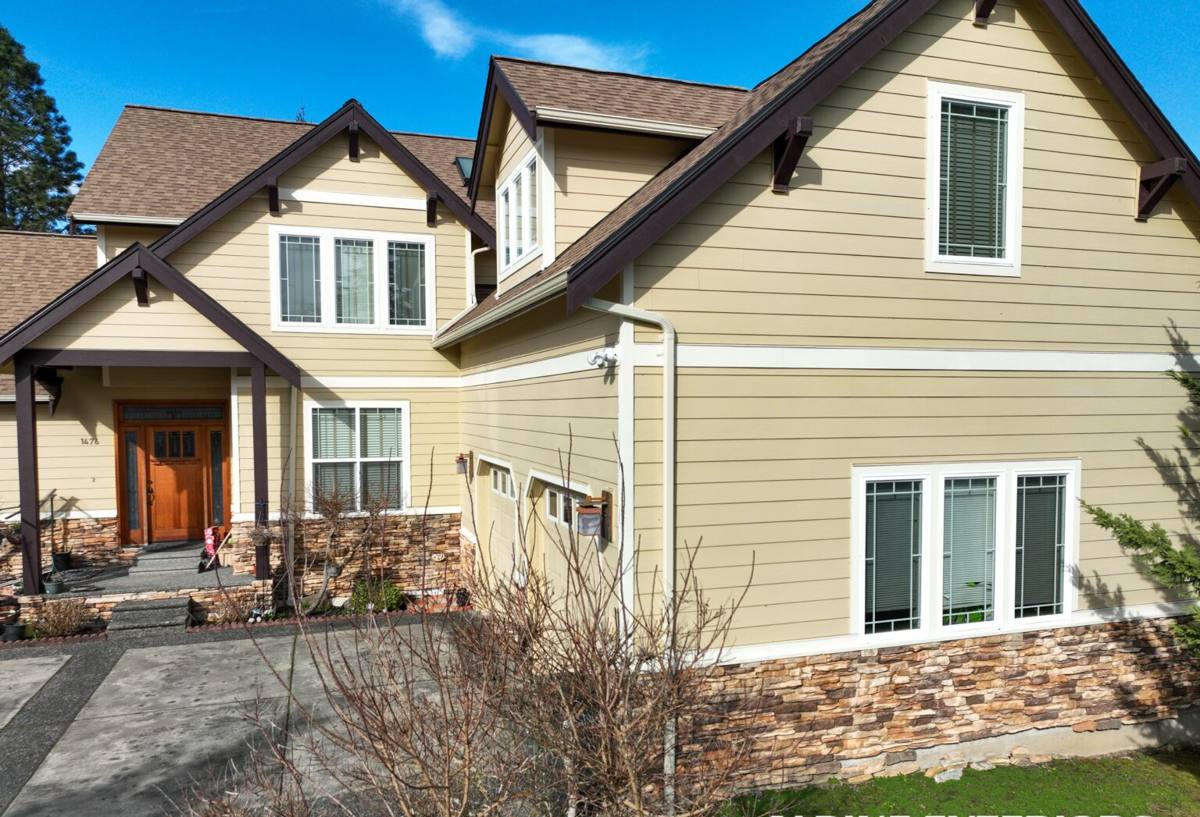
What "Custom" Actually Means Here
Matching the Opening, Not Forcing a Fit
Every opening gets measured individually — width, height, and diagonal corners, at the top, middle, and bottom of the frame. Older Sunnyland homes frequently have openings that are out of square by enough to matter, especially on the north and west-facing walls that take the brunt of driving rain. A custom approach means the window is built or selected to fit that specific opening, with shimming and flashing detailed to close any gaps correctly rather than covering them with trim and hoping.
Replacement vs. New Construction Windows
There are two basic approaches to swapping out a window, and which one is right depends on the condition of the existing frame:
- Insert (pocket) replacement — the new window fits inside the existing frame, which stays in place. Faster, less invasive, and appropriate when the old frame is still structurally sound and dry.
- Full-frame (new construction) replacement — the old frame is removed down to the rough opening, exposing the sheathing and framing so it can be inspected and re-flashed. Necessary when there's evidence of past water intrusion, rot, or when the opening size is changing.
We don't default to the faster option just because it's faster. If we open a wall and find soft sheathing or staining that suggests water has been getting in around a window, we'll tell you before we proceed rather than sealing a problem back up.
Why Whatcom County's Climate Changes the Job
Sunnyland sits close enough to the water and to heavy tree cover that homes here deal with a specific combination: salt-laden air off Bellingham Bay, long stretches of driving rain, and a moss season that can run most of the year on north-facing and shaded elevations. Each of these affects window performance differently.
Salt air accelerates corrosion on hardware, fasteners, and unprotected metal components. It also breaks down lower-grade sealants and finishes faster than they'd wear in a drier inland climate, which is why fastener and flashing material selection matters more here than in most parts of the state.
Driving rain — wind-driven, coming in at an angle rather than falling straight down — is the main reason flashing detail matters more than caulk. Caulk is a backup system. Correctly lapped flashing, integrated with the house wrap, is what actually keeps water out during a real Whatcom County storm.
Moss and prolonged dampness around window sills and trim hold moisture against wood surfaces for extended periods. Sills and trim that aren't detailed to shed water quickly become long-term moisture reservoirs, which is where rot starts on older homes.
What a Correct Installation Actually Involves
A lot of window problems trace back to installation shortcuts, not the window itself. A correct install in a climate like this includes several steps that aren't optional, even though they're the ones most likely to get skipped on a rushed job:
- Remove the old unit and inspect the rough opening, sill, and surrounding sheathing for hidden rot or past water damage.
- Repair or replace any compromised framing or sheathing before the new window goes in — never install over a known problem.
- Install or repair a sloped sill pan so any water that gets past the window drains outward instead of pooling.
- Set the window level, plumb, and square, shimmed at the correct load points per the manufacturer's instructions.
- Integrate flashing tape with the house wrap in the correct shingle-lap order — this is the step that determines whether water sheds out or gets trapped behind the siding.
- Seal and insulate the gap between the frame and rough opening without over-compressing the window frame.
- Finish trim and exterior caulking as the final weather barrier, not the primary one.
Skip step 5 and everything downstream of it — no matter how good the window or how clean the trim looks — is at risk during the next sustained rain event.
Signs a Sunnyland Home Needs Window Attention
Most window failures show warning signs well before a pane cracks or a frame visibly rots. Worth checking for:
- Fogging or moisture between panes on double- or triple-glazed units — a sign the seal has failed.
- Soft or discolored wood at the sill or lower corners of the frame, inside or out.
- Visible gaps between the window frame and siding or trim.
- Drafts you can feel near the frame edges on a windy day.
- Windows that are difficult to open, close, or lock — often a sign the frame has racked out of square.
- Paint that bubbles or peels repeatedly at the same window despite fresh coats.
- Moss or dark staining building up on sills or trim faster than on the rest of the house.
Any one of these on its own might be minor. Two or three together, especially on the same window, usually point to a flashing or sealing failure worth having looked at before it turns into a framing repair.
Material and Glazing Options Compared
Material choice affects maintenance, longevity, and how the window handles this climate specifically. Here's how the common options stack up for a coastal Whatcom County home:
| Frame Material | Moisture & Salt Air Resistance | Maintenance | Typical Lifespan |
|---|---|---|---|
| Vinyl | Good — won't rot or corrode, though color can fade with UV exposure over decades | Low — occasional cleaning | 20–30+ years |
| Fiberglass | Very good — dimensionally stable, resists warping in temperature and moisture swings | Low | 30–40+ years |
| Wood (unclad) | Requires diligent upkeep — most vulnerable to this climate without regular repainting/sealing | High | Varies widely with maintenance |
| Wood-clad (aluminum or fiberglass exterior) | Good — exterior shell protects the wood interior from weather | Moderate | 25–35+ years |
For glazing, double-pane low-E glass is the standard baseline for this climate and handles Bellingham's temperature range well. Triple-pane adds meaningful sound dampening and a marginal efficiency gain, which some homeowners near busier Sunnyland streets or with west-facing exposure find worth the added cost — though for most homes here, the difference in comfort is modest compared to the jump in price.
Our Process, Start to Finish
We keep the process straightforward and try not to leave your home more exposed to the weather than necessary during the swap:
- On-site assessment — we look at existing windows, framing condition, and take real measurements rather than quoting off a general estimate.
- Written estimate — material options, scope (insert vs. full-frame), and a clear price before any work starts.
- Scheduling around weather — we watch the forecast and plan install days to minimize how long an opening sits without a window in it, which matters given how often this area sees rain.
- Removal and inspection — old unit comes out, and we check the opening before anything new goes in.
- Installation — flashing, sill pan, shimming, and sealing done in the correct order, not shortcuts to save time.
- Walkthrough — we go over the finished work with you, inside and out, before calling the job done.
Permits, Codes, and Working Locally
Window replacement in the City of Bellingham can require a permit depending on scope — particularly for full-frame replacements that change the opening size, egress requirements for bedroom windows, or structural work uncovered during the job. We handle that process rather than leaving it on you to figure out, and we build code compliance into the estimate rather than surprising you with it later.
Working Sunnyland regularly also means we're familiar with the general age and construction patterns common to the neighborhood's housing stock, which helps us anticipate issues — like out-of-square openings or aging sheathing — before we're mid-job.
Why a Local Crew Matters for This Kind of Work
Window installation is one of those jobs where the visible result and the actual quality of the work can look identical for the first year or two. The difference shows up later, during the first real storm season, in whether the flashing was actually lapped correctly and the sill pan actually drains. A crew that works Whatcom County's coastal microclimate regularly — not occasionally — builds habits around flashing detail, material selection, and timing installs around weather that a crew from outside the region may not prioritize the same way. That's not a knock on general contracting skill; it's just what repeated exposure to this specific climate teaches you to watch for.
If you're weighing whether your Sunnyland home's windows need repair, replacement, or just a closer look, we're happy to come take a look and give you a straightforward assessment. Reach out for a free, no-pressure estimate using the form below.