 Bellingham Exterior
 Deck Building in Columbia: Built for This Climate, Not Just This Yard
Columbia sits close enough to Bellingham Bay that salt-laden air is a real factor in how outdoor structures age, and it's far enough into the Pacific Northwest that driving rain and a long, wet moss season are just part of the calendar. A deck built here has to do more than look good on a dry August afternoon. It has to shed water fast, resist corrosion on every fastener, and keep moss and algae from turning a walking surface into a slip hazard by November. We build decks for homes in and around Columbia with that reality in mind, not as an afterthought bolted on after the fact.
A lot of deck problems we get called out to inspect in Bellingham neighborhoods weren't caused by bad luck. They were caused by a deck that was designed for a drier climate, or built without enough attention to drainage, ventilation, and hardware. Getting a deck right in Whatcom County means treating moisture as the default condition, not the exception.
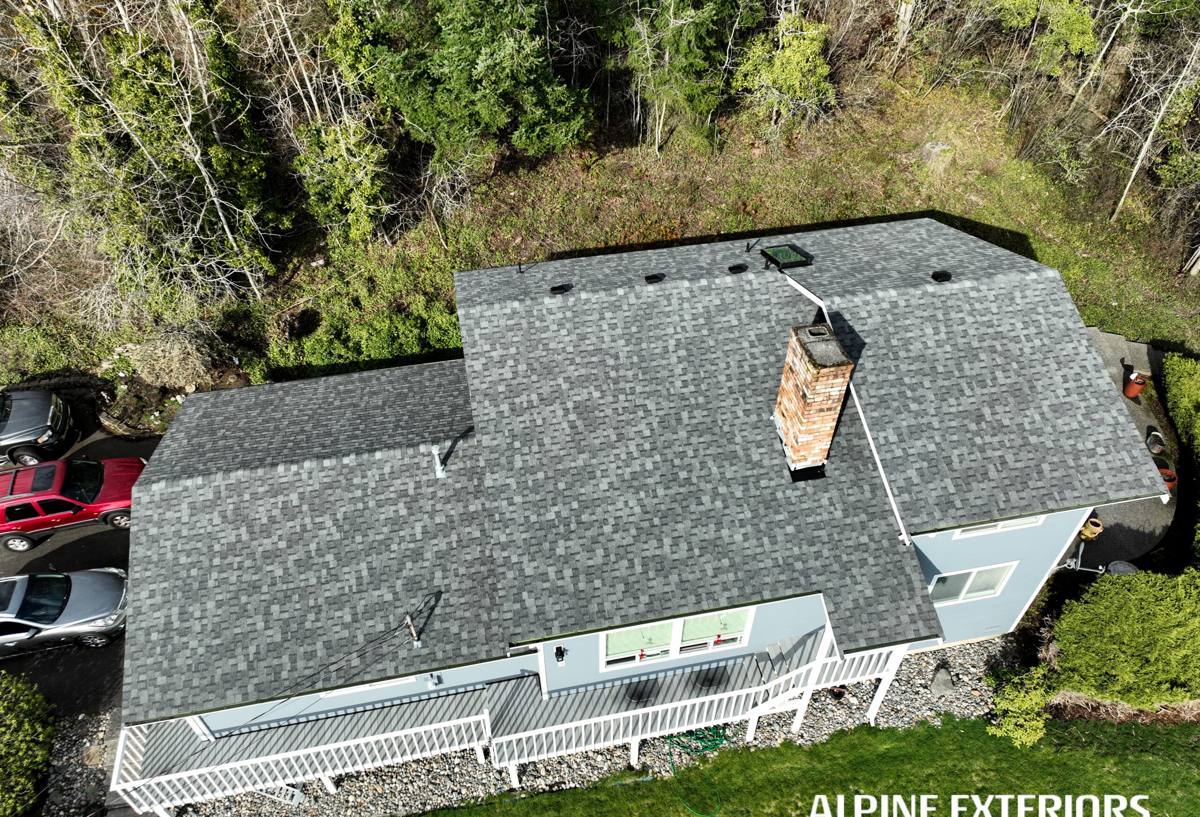
What Columbia Homes Need From a Deck
Drainage First
Water that can't get away from a deck is the root cause of most of the rot, mold, and structural softening we see. That means correct slope on ledger boards and joists, gaps between decking boards sized for our rainfall rather than a dry-climate standard, and a plan for where water actually goes once it leaves the deck surface. On sloped or tighter Columbia lots, this sometimes means grading or drainage work below the deck, not just on top of it.
Fastener and Hardware Corrosion
Proximity to Bellingham Bay means salt air reaches further inland than people expect, especially with the wind patterns common here. Standard fasteners can start showing rust streaks and weakening well before a homeowner expects hardware to fail. We spec coated, corrosion-resistant fasteners and structural connectors rated for coastal exposure as a standard practice on Columbia jobs, not an upgrade.
Moss, Algae, and Surface Traction
Whatcom County's moss season runs long — shaded decks under trees or on the north side of a house can stay damp for weeks at a stretch. Surface material, board spacing, and even deck orientation all affect how much moss and algae take hold. A deck that's designed with this in mind needs far less scraping, pressure washing, and chemical treatment to stay safe underfoot.
What a Correctly Built Deck Actually Involves
Foundation and Framing
Everything above ground depends on what's below it. Footings need to be sized and set to local frost depth and soil conditions, posts need proper standoff from grade and moisture, and framing lumber needs to be rated for exterior, ground-contact-adjacent use where relevant. Skipping or under-building this stage is invisible on installation day and expensive five years later.
Ledger Attachment and Flashing
Where a deck attaches to the house is the single most common failure point we inspect on older decks — and it's almost always a flashing problem, not a framing problem. Proper ledger flashing keeps water from working its way behind the siding and into the house structure itself. In a climate that sees as much sustained rain as Bellingham does, this detail isn't optional trim work, it's structural protection for the home.
Decking Material and Fastening
Whether a homeowner chooses wood, composite, or PVC decking, the fastening method and board spacing have to match the material's expansion and moisture behavior. Hidden fastener systems, screw patterns, and gap sizing all change slightly by product, and getting it wrong shows up as cupping, squeaking, or premature wear.
Comparing Deck Material Options for a Columbia Property
| Material | Upfront Cost | Maintenance in This Climate | Typical Lifespan |
|---|---|---|---|
| Pressure-treated wood | Lowest | Annual cleaning and periodic sealing to resist moisture and moss | 15-20 years with upkeep |
| Cedar | Moderate | Regular sealing; naturally moisture-resistant but still needs care in wet shade | 15-25 years with upkeep |
| Composite decking | Higher | Occasional washing; no sealing, but surface can still grow algae in deep shade | 25-30+ years |
| PVC decking | Highest | Lowest maintenance; sheds moisture well, resists moss better than wood | 30+ years |
There's no universally "right" choice here — it depends on budget, how much shade the deck sits in, and how much maintenance a homeowner actually wants to keep up with. We walk through these trade-offs honestly rather than steering everyone toward the most expensive option. A well-installed wood deck that gets basic annual care can serve a Columbia home well for decades; a poorly installed composite deck can still develop moisture and framing problems underneath, because the framing and flashing matter more than the surface material.
Our Process for a Columbia Deck Project
- On-site assessment. We look at the lot's grading, sun and shade exposure, proximity to the house's siding and roofline, and any existing deck or structure being replaced.
- Design and material selection. We talk through material options, layout, and how the deck will handle water and shade patterns specific to that spot on the property.
- Permitting. We handle the permit process where required, based on the deck's size, height, and attachment to the home.
- Foundation and framing. Footings, posts, and joists are built to hold up under sustained moisture exposure, not just pass a dry-day inspection.
- Flashing and ledger work. This step gets the same attention as the visible decking — it's the part that protects the house itself.
- Decking installation. Boards are laid and fastened according to the chosen material's manufacturer specs and our own moisture-management standards.
- Final walkthrough. We go over maintenance expectations specific to the material chosen and the deck's exposure on that particular lot.
Common Deck Problems We Find on Columbia Homes
When we're called out to inspect an existing deck in the area, a handful of issues show up repeatedly:
- Rust-streaked or failing fasteners from standard hardware not rated for coastal air exposure
- Soft or spongy decking near the house from a missing or improperly installed ledger flashing detail
- Persistent moss and slick surfaces on shaded sections that were never designed with drainage or airflow in mind
- Undersized or improperly set footings that shift slightly over time in saturated soil
- Gaps between boards too tight for our rainfall, trapping moisture and debris
Most of these are preventable at the design and construction stage. Very few of them are cheap to fix after the fact, especially anything involving the ledger connection to the house.
Permits and Whatcom County Considerations
Deck permitting requirements depend on factors like height, size, and attachment to the primary structure, and requirements can differ between unincorporated Whatcom County and the City of Bellingham depending on exactly where a property sits. We handle the permit application and inspection process as part of the build so homeowners aren't left guessing about what's required or chasing down inspections themselves.
Keeping a Columbia Deck Healthy Long-Term
A well-built deck still needs some ongoing attention in this climate. A simple seasonal maintenance routine goes a long way toward avoiding the moss, moisture, and hardware problems that shorten a deck's life:
- Clear leaves, needles, and debris from between boards before wet weather settles in for the season
- Rinse or sweep shaded sections regularly to slow moss and algae buildup
- Check fasteners and structural connectors annually for rust or loosening
- Reseal wood decking on the manufacturer's recommended schedule, typically every one to two years
- Inspect the ledger and flashing area near the house once a year for any signs of moisture intrusion
- Trim back overhanging vegetation to improve sun exposure and airflow across the deck surface
Why Hire a Crew That Already Works in Columbia
A deck built to a generic national standard is not the same as a deck built for this specific climate. Crews who work regularly in Bellingham and the surrounding Whatcom County neighborhoods learn, over repeated jobs, which details actually matter here — coastal-grade hardware, ledger flashing that holds up to sustained rain, and material choices that account for a long moss season rather than fighting it after the fact. That local pattern recognition is hard to substitute with a generic build spec, and it's the difference between a deck that needs major repair in eight years and one that's still solid in twenty-five.
If you're planning a new deck or replacing one that's showing its age, we're happy to take a look and talk through what makes sense for your property. Reach out for a free, no-pressure estimate using the form below.