 Bellingham Exterior
 Building a Deck That Holds Up on South Hill
South Hill is one of Bellingham's older, more established neighborhoods — a hillside area of mature trees, sloped lots, and homes that have seen decades of Pacific Northwest weather. A deck built here isn't just an outdoor living space; it's a structure that has to shed water, resist rot, and survive a climate that's harder on wood and fasteners than most homeowners realize. We build and replace decks on South Hill regularly, and the jobs that fail early almost always trace back to the same shortcuts: undersized footings, unflashed ledger boards, or decking chosen for looks instead of drainage. This page walks through what a correctly built deck actually involves in this neighborhood, and why the details matter more here than they would in a drier climate.
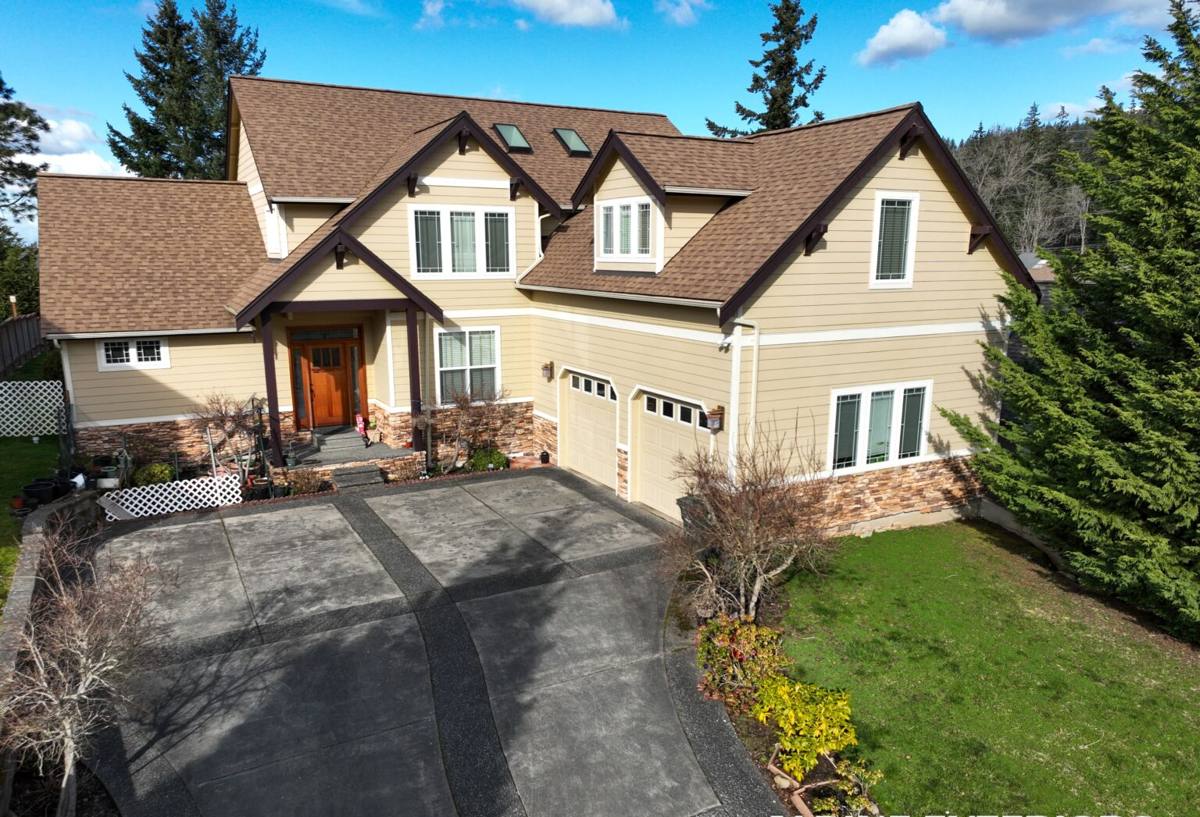
South Hill's Terrain and Tree Cover: What It Means for a Deck
Sloped and Tiered Lots
Many South Hill properties sit on a grade, which changes how a deck gets framed from the ground up. Post heights vary across the same structure, footings may need to go deeper or be engineered differently depending on soil and slope, and stair runs often have to work around existing grading rather than a flat backyard. A deck on a sloped lot also puts more load on beam sizing and post bracing, since taller posts flex more than short ones. None of this is exotic work, but it does mean the framing plan for a South Hill deck is rarely a straight copy of a flat-lot design.
Shade, Moss, and Debris
The tree canopy that makes South Hill attractive also means decks here get less direct sun and more organic debris — leaves, needles, and seed pods that collect in gaps and stay damp for days after a rain. Shaded, damp wood is exactly the environment moss and algae need to take hold, and once moss establishes on decking or framing, it holds moisture against the wood long after the surface looks dry. A deck built without enough drainage slope or board spacing in a shaded South Hill yard will grow moss faster than the same deck built in full sun.
The Climate Load: Salt Air, Driving Rain, and Moss Season
Bellingham sits on Bellingham Bay, and South Hill's elevation puts many homes within reach of salt-laden air coming off the water. That salt air accelerates corrosion on any exposed metal — fasteners, brackets, hinges — faster than it would inland. Combine that with Whatcom County's long stretch of driving rain from fall through spring, and a deck here spends much of the year wet, not just rained on occasionally. Add the region's extended moss season, when cool, damp, low-light conditions persist for months, and you have three climate factors working against a deck at the same time: corrosion, prolonged moisture exposure, and biological growth. A deck built to a generic national spec, without accounting for these three things together, is a deck that will need premature repairs.
Framing and Structure: Getting the Parts You Can't See Right
The framing is what determines whether a deck lasts 10 years or 30, and it's also the part most homeowners never inspect closely once the decking is down. We treat a few details as non-negotiable on every deck we build:
- Ledger flashing: Where a deck attaches to the house, the ledger board has to be flashed correctly so water sheds away from the house band joist and rim, not into it. This is the single most common failure point on older decks we've replaced.
- Footings sized for the site: Footing depth and diameter are based on load, soil conditions, and Whatcom County frost depth requirements — not a one-size number.
- Joist tape or joist caps: Covering the tops of joists protects the wood from standing water where deck screws penetrate, which is one of the earliest places rot starts.
- Corrosion-resistant fasteners: Structural screws, hangers, and hardware rated for coastal exposure, not standard interior-grade fasteners that will rust and weaken over time.
- Proper beam and post bracing: Especially important on the sloped lots common to South Hill, where post height and lateral load are higher than on a flat yard.
Decking Material Comparison for Bellingham Conditions
The decking surface gets chosen for looks first, but in this climate the material's actual behavior in wet, shaded conditions matters just as much. Here's how the common options compare for a South Hill project:
| Material | Moisture & Moss Behavior | Maintenance | Relative Cost |
|---|---|---|---|
| Pressure-treated lumber | Good with proper spacing and sealing; can trap moisture if boards are laid too tight | Needs periodic cleaning and re-sealing | Lowest upfront |
| Cedar | Naturally rot-resistant but still needs airflow underneath; shows moss faster than treated wood if not maintained | Requires regular sealing/staining to hold color and resist moisture | Mid-range |
| Capped composite / PVC | Doesn't absorb water like wood, but still needs correct spacing and airflow underneath to avoid surface algae film | Occasional washing; no sealing or staining | Higher upfront, lower long-term upkeep |
There's no single "right" material for every South Hill home — a shaded, sloped lot with limited under-deck airflow is a harder environment for any decking, and the framing and drainage details underneath often matter more than which surface material sits on top. We walk through the honest trade-offs of each option — moisture behavior, maintenance burden, and how the manufacturer's warranty is structured — before recommending one for your specific site.
Railings, Stairs, and Local Code
Any deck above a certain height needs a code-compliant guardrail, and stair and landing requirements are governed by the building code the City of Bellingham and Whatcom County enforce. Sloped South Hill lots often mean taller decks and longer stair runs than a flat-lot project, which brings guardrail height, baluster spacing, and stair geometry into play more often than on a single-step deck. Permitting isn't optional on most new decks or major rebuilds, and pulling the permit correctly — with the inspections that go with it — is part of what protects you if you ever sell the house or file an insurance claim. We handle the permit process as part of the build rather than leaving it to the homeowner to sort out.
Drainage, Airflow, and Keeping Moss Off Your Deck
A deck's ability to shed water and dry out between rains is the single biggest factor in how long it lasts and how much moss and algae it grows. On shaded South Hill lots, we pay close attention to:
- Board spacing that lets water drain through rather than pool on the surface
- A slight slope away from the house so water doesn't sit against the ledger
- Clear airflow underneath the deck, especially on low-clearance builds where debris can block ventilation
- Keeping planting beds and mulch from piling against skirting or framing, which holds moisture against the wood
Good drainage design doesn't eliminate the need for cleaning, but it dramatically slows how fast moss and algae come back after each cleaning — which matters in a neighborhood that gets less direct sun than most of Bellingham.
Our Process, From Estimate to Finished Deck
We start with an on-site look at the lot — the slope, existing structure if there is one, tree cover, and how the house ties in — because those factors drive the framing plan more than the finish material does. From there we put together a written scope covering framing, decking material, railings, and any permit work, so there are no surprises once the crew is on site. During the build, footings and framing get inspected before decking goes down, since that's the point where problems are cheap to fix and expensive to fix later. We clean up the site daily and walk the finished deck with you before calling the job done.
Maintenance Checklist for South Hill Deck Owners
A well-built deck still needs upkeep in this climate. A short seasonal routine goes a long way toward preventing the moss buildup and slow rot that shorten a deck's life:
- Sweep leaves and debris off the surface and out of board gaps regularly during fall
- Rinse or gently wash the deck surface a few times a year to slow moss and algae growth
- Check under the deck once a year for standing water, debris blocking airflow, or early signs of rot on framing
- Re-seal or re-stain wood decking on the manufacturer's recommended schedule, not just when it looks faded
- Inspect railings and stair connections annually for loosening, especially after winter storms
- Keep mulch and plantings pulled back from deck skirting and posts
Why Hire a Crew That Already Works South Hill
A deck built to a generic spec sheet can look fine for a year or two before the climate finds its weak points. Building for South Hill specifically means accounting for sloped framing, salt-air corrosion on fasteners, driving rain against the ledger, and a moss season that's longer here than in drier parts of Whatcom County. That's not something you get from a crew building decks in a different climate zone — it comes from doing this work repeatedly in this exact neighborhood, under these exact conditions.
If you're planning a new deck or need to replace one that's showing its age, we're happy to take a look and put together a straightforward, no-pressure estimate — just fill out the form below.