 Bellingham Exterior
 Why Decks in Barkley Take a Different Kind of Beating
Barkley sits inside Bellingham's marine climate zone, which means your deck isn't just dealing with rain — it's dealing with a combination of moisture, salt-laden air off Bellingham Bay, and long stretches of shade and dampness that keep wood and fasteners wet far longer than they would be in a drier climate. That combination is what actually damages decks here, more than any single storm ever could.
Driving rain gets pushed sideways by wind and finds its way into joints, ledger boards, and fastener holes that would stay dry in a calmer climate. Salt air accelerates corrosion in fasteners, flashing, and hardware, especially anything that wasn't rated for coastal exposure to begin with. And Whatcom County's long moss season — often stretching from fall through late spring — means organic growth has months to establish itself on decking, railings, and stair treads, holding moisture against the wood and slowly breaking down its surface.
None of this is unique to any one house in Barkley. It's a function of living in this part of Washington. But it does mean that a deck repair here needs to address the actual causes of deterioration, not just patch what's visibly broken.
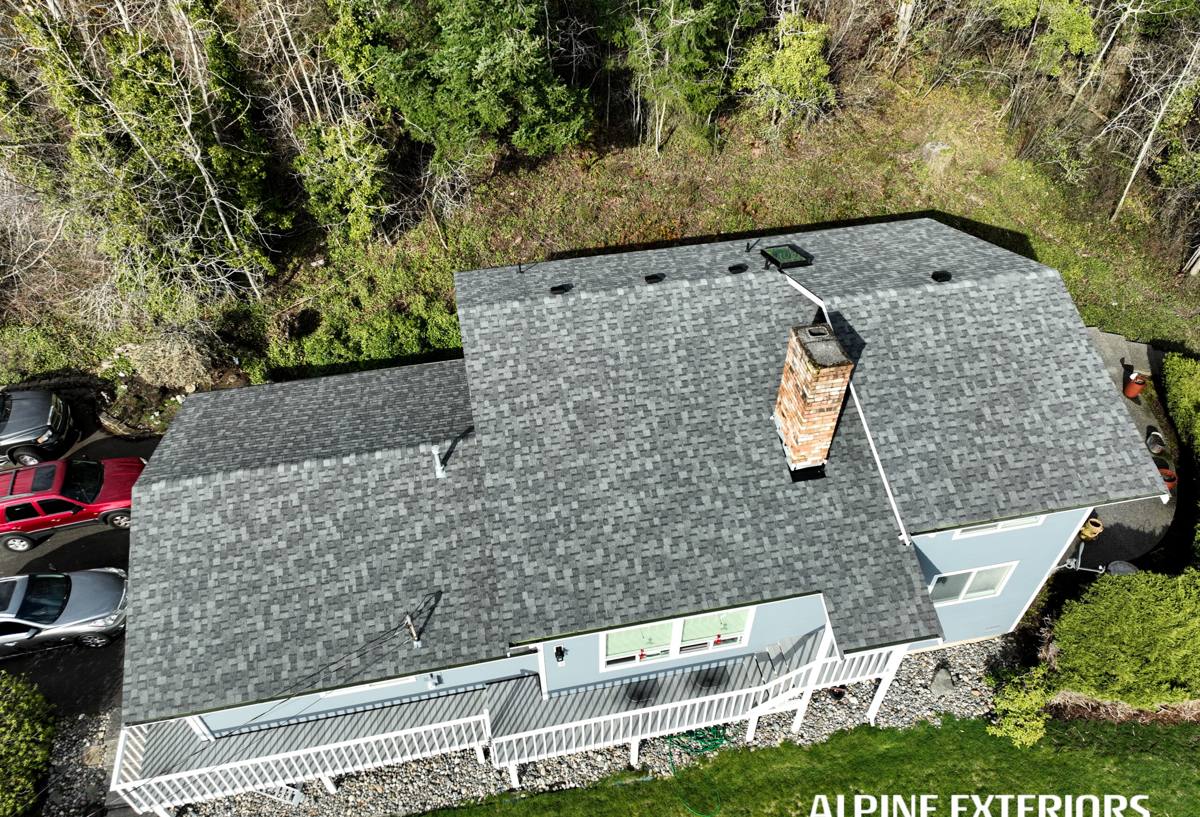
What We See on Barkley Decks
Barkley includes a mix of home ages and deck styles, from older wood-frame decks to newer builds with composite decking over treated-lumber framing. Regardless of age, the failure points tend to cluster in the same places:
- Ledger board connections where the deck attaches to the house — a common entry point for water if flashing was skipped or installed incorrectly
- Joist ends and beam pockets, which stay damp longest and are the last places to dry out after a wet week
- Fasteners and hardware that have started rusting or staining the wood around them
- Stair stringers and railing posts, which take on more direct weather exposure and structural stress than flat decking
- North-facing or heavily shaded sections where moss and algae get a head start every year
A deck that looks fine from a distance can still have soft framing underneath, corroded connectors, or a ledger board that's slowly pulling away from the house. That's why a proper repair starts with an honest look underneath and around the deck, not just a walk across the surface.
Signs Your Deck Needs Repair — Not a Full Rebuild
Most decks don't fail all at once. They give warning signs first, and catching them early is usually the difference between a repair and a full replacement. Look for:
- Boards that feel spongy, springy, or noticeably softer than the boards around them
- Visible gaps or movement where the deck meets the house
- Rust streaks running down from screws, bolts, or metal connectors
- Persistent green or black growth that comes back within weeks of cleaning
- Railings that wobble or posts that shift when pushed
- Stair treads that flex or feel less solid than they used to
- Standing water that takes more than a day to dry after rain
If you're catching any of these early, there's a good chance the framing underneath is still sound and a targeted repair will get you several more years out of the deck. Wait too long, especially through another wet Whatcom County winter, and what started as a board replacement can turn into a structural rebuild.
What a Correct Deck Repair Actually Involves
A repair that's done right doesn't stop at replacing the board you can see is damaged. It follows the moisture back to wherever it's getting in and fixes that too. In practice, that means:
Structural inspection first
Before any board comes off, we check the framing underneath — joists, beams, posts, and footings — for soft spots, rot, or movement. This tells us whether we're dealing with a cosmetic repair or something that affects the deck's structural integrity.
Ledger board and flashing check
Because the ledger connection is the single most common source of hidden water damage, we check it on every repair, even if the visible symptom is somewhere else on the deck. If flashing is missing, damaged, or was never installed correctly, that gets corrected as part of the repair — patching the surface without fixing this just guarantees the problem comes back.
Fastener and hardware replacement
Corroded screws, nails, and joist hangers get replaced with fasteners rated for exterior and coastal exposure. This matters more here than in a lot of places, because salt air will continue attacking standard hardware even after a repair is finished.
Board and framing replacement
Damaged decking boards, stair treads, and any compromised framing members are cut out and replaced — not just capped or covered. Covering a soft joist instead of replacing it just hides the problem until it becomes a safety issue.
Railing and stair reinforcement
Railings and stairs take direct structural loads from people using them, so any looseness or flex gets addressed at the post and connection level, not just tightened and left as-is.
Repair or Replacement? What Actually Drives That Decision
Homeowners in Barkley often ask us this directly, and the honest answer depends on how much of the deck's structure is still sound. Here's how we think through it:
| Factor | Leans Toward Repair | Leans Toward Replacement |
|---|---|---|
| Framing condition | Joists and beams are solid, only isolated soft spots | Widespread rot or soft framing throughout |
| Ledger connection | Sound once flashing is corrected | Ledger board itself is deteriorated or improperly sized |
| Age of decking material | Under 10-15 years, isolated board damage | Original decking near end of expected service life |
| Footings and posts | Stable, no settling or heaving | Signs of movement, undersized, or non-compliant footings |
| Scope of damage | Concentrated in one or two areas | Spread across most of the deck's surface and structure |
In many cases, a Barkley deck built on solid framing just needs targeted repair work — new boards, corrected flashing, and updated hardware — to get another decade of solid use. We'll always tell you plainly which category your deck falls into, and why, before any work starts.
Our Process for a Barkley Deck Repair
- On-site inspection. We look above and below the deck — decking, framing, ledger, footings, and hardware — and take the time to explain what we find.
- Written scope and honest estimate. You get a clear breakdown of what needs to be repaired, what's optional, and what it costs — no vague allowances.
- Moisture source correction. Before cosmetic repairs, we address flashing, ledger connections, or drainage issues causing the damage in the first place.
- Structural and board repair. Damaged framing, decking, stair components, and railings are repaired or replaced with materials suited to this climate.
- Hardware upgrade. Fasteners and connectors are replaced with corrosion-resistant hardware appropriate for a marine-influenced climate.
- Final walkthrough. We go over the completed work with you and flag anything worth keeping an eye on going forward.
Materials We Use, and Why
Material choice matters more in Whatcom County than in drier parts of the country, because everything gets tested by moisture eventually. For framing repairs, we use pressure-treated lumber rated for ground contact where appropriate, since it holds up better against the sustained dampness typical of a Bellingham winter. For decking surfaces, we'll walk you through the honest trade-offs between wood and composite: wood costs less upfront but needs more regular maintenance to fight moss and moisture; composite costs more initially but handles this region's dampness with less upkeep, provided it's installed with proper spacing and ventilation underneath. Neither is "wrong" — the right choice depends on your budget and how much annual maintenance you want to take on.
For fasteners and structural hardware, we specify stainless steel or hot-dip galvanized products rated for exterior and coastal exposure. This is a small line-item cost that has an outsized impact on how long a repair actually lasts — cheaper fasteners are one of the most common reasons we see repeat corrosion problems on decks that were "fixed" a few years earlier.
Why It Matters to Hire a Crew That Already Works in Barkley
A deck repair contractor who works regularly in this specific part of Bellingham already knows what tends to go wrong on decks here — which connection points fail first, how much moss buildup is normal versus a sign of a bigger issue, and what building code and permitting expectations apply locally in Whatcom County. That local familiarity means fewer surprises during the inspection and a scope of work that's realistic from the start, rather than one that grows once framing is opened up.
It also means we're not guessing at material choices. We know which fastener grades and flashing details hold up through a full Bellingham winter and which ones we've seen fail early. That's the kind of knowledge that only comes from doing this work repeatedly in this exact climate, not from a general contracting background somewhere drier.
Maintenance That Extends the Life of a Repair
Once a deck is repaired correctly, a small amount of seasonal upkeep goes a long way in this climate:
- Clear debris from between boards and around posts before fall rains set in
- Treat or clean moss growth before it has a chance to spread across a full season
- Check fasteners and connectors annually for early rust or staining
- Keep gutters and downspouts clear so runoff isn't draining directly onto or under the deck
- Reseal or refinish wood decking on the manufacturer's recommended schedule, not just when it looks faded
None of this replaces a proper repair, but it does mean the repair actually lasts as long as it's supposed to, instead of needing to be redone in a few short years.
If your deck is showing any of the signs above, we're happy to come take an honest look and give you a clear, no-pressure estimate — just fill out the form below to get started.