 Bellingham Exterior
 Why South Hill Windows Wear Differently
South Hill sits up on the hillside above downtown Bellingham, and that elevation cuts both ways. The views are part of why people love living there, but the same exposure that gives you a look at Bellingham Bay also means your windows take a steady beating from wind-driven rain, salt-tinged air moving in off the water, and shade from mature tree cover that keeps moisture sitting on glass and trim longer than it would on a more open lot. Add in Whatcom County's long, gray moss season, and you've got a recipe for slow, hidden damage around window openings that homeowners often don't notice until a sash won't close right or a sill feels soft underfoot.
Many South Hill homes are older character homes — the neighborhood has a good number of houses built well before modern window flashing and moisture-barrier standards existed. That's not a knock on the homes; it just means the original window openings were built for a different era of building science. When we replace windows here, we're not just swapping glass — we're bringing 60-, 80-, or 100-year-old openings up to a standard that can actually handle what this hillside throws at them year after year.
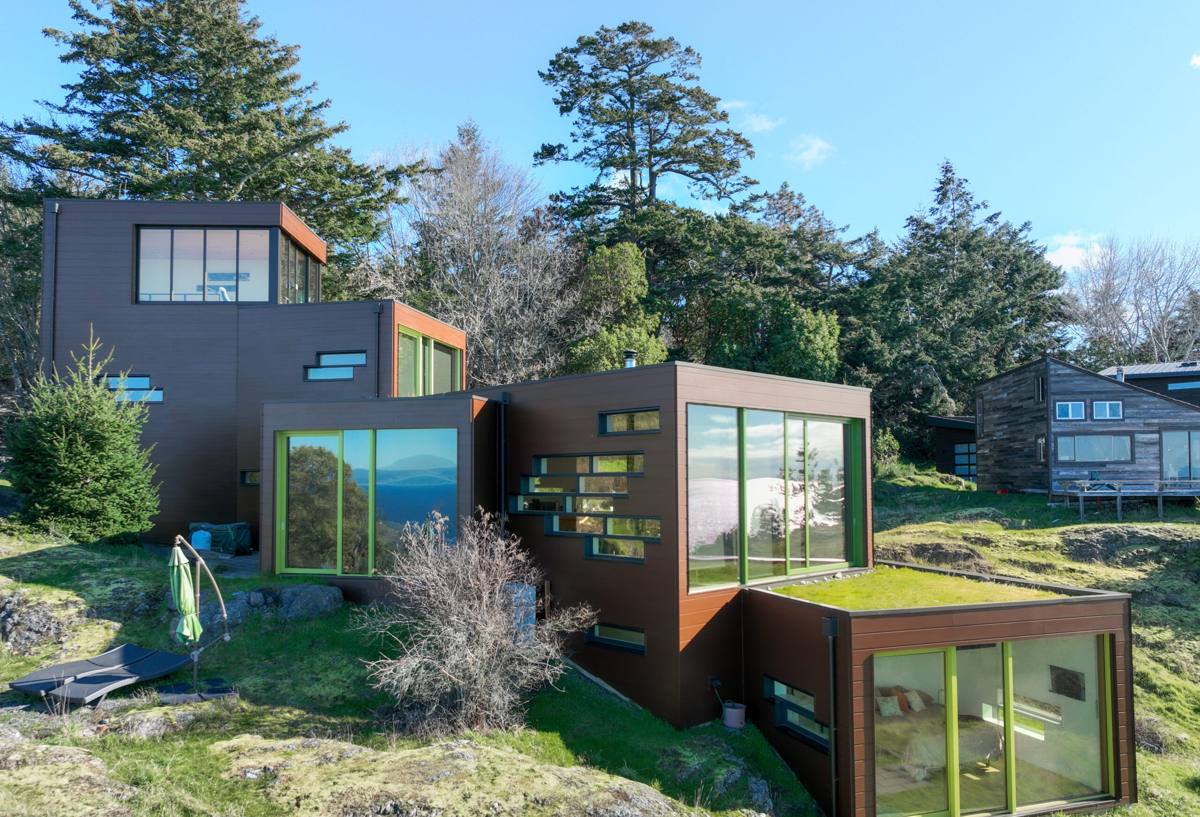
Signs Your South Hill Home Needs New Windows
Not every drafty window needs full replacement, and not every old window is a lost cause. Here's what we actually look for during an assessment:
- Visible fogging or moisture between double-pane glass — the seal has failed and the insulating gas is gone
- Soft, discolored, or spongy wood at the sill or lower frame corners
- Windows that won't stay open, won't latch, or have been painted shut
- Noticeable draft or cold spot near the frame even with the window fully closed
- Condensation forming on the inside of the glass regularly, especially in bedrooms and bathrooms
- Visible gaps between the window frame and siding or trim, or trim that's cracked and separating
- A jump in heating costs without any other explanation
If you're seeing one or two of these, it's worth a look before you commit to full replacement — sometimes it's a repair. If you're seeing several at once, especially soft wood or failed seals, replacement is usually the more honest recommendation.
What Hillside Exposure Adds to the List
On South Hill specifically, we pay close attention to the windows on the weather-facing side of the house — typically whichever elevation catches the prevailing wind and rain off the water. Those windows fail first, and they fail from the outside in: caulking breaks down, water finds its way behind trim, and by the time it shows up as a stain on an interior sill, there's often already damage in the wall cavity behind it.
What a Correct Window Replacement Actually Involves
A window replacement done right is mostly about what happens before the new window ever goes in the opening. This is where corners get cut, and it's exactly where South Hill's climate punishes shortcuts.
- Removing the old unit carefully so we can inspect the rough opening for rot, insect damage, or existing moisture problems — not just pop in a new window over a hidden issue
- Repairing or rebuilding the opening if the sill, jack studs, or header show any decay, before anything new goes in
- Installing a proper sill pan flashing so any water that does get past the window has a path to drain back outside instead of soaking into framing
- Integrating flashing with the existing water-resistive barrier in the correct shingle-lap order — this is the single most common thing we find done wrong on older installs
- Setting the window level, plumb, and square, then shimming and fastening per the manufacturer's instructions, not just what fits
- Insulating the gap between the frame and rough opening with a low-expansion foam or backer rod — never packed too tight, which can bow the frame
- Sealing and trimming the exterior with a compatible sealant and finishing the interior to match your existing trim
Skip the sill pan or get the flashing lap order backwards, and you can have a brand-new, expensive window that still leaks — just more slowly and less visibly than the one you replaced.
Choosing the Right Window for a Hillside, Wet-Climate Home
There's no single "best" window material — it depends on your home's age, your budget, and how exposed a given elevation is. Here's how the common options stack up for a home in this climate:
| Frame Material | Moisture Behavior | Maintenance | Typical Fit |
|---|---|---|---|
| Vinyl | Won't rot; performs well in wet climates | Low — occasional cleaning | Most homes, best value |
| Fiberglass | Very stable, minimal expansion/contraction | Low | Higher-exposure elevations, larger openings |
| Wood, clad exterior | Good if cladding and flashing are correct; vulnerable if not | Moderate — interior wood care | Character/historic homes wanting to keep a wood interior look |
| Wood, all-wood | Highest maintenance burden in this climate | High — regular repainting/sealing | Only where matching strict historic requirements |
For most South Hill homes, we steer clients toward vinyl or fiberglass on the weather-exposed sides of the house simply because they hold up with the least ongoing attention — that's a maintenance-burden judgment, not a knock on wood windows done well. If you're in one of the neighborhood's older character homes and want to preserve a wood look from the street, clad options let you keep that appearance while putting a low-maintenance exterior between the wood and the weather.
Cost Factors Homeowners Should Actually Weigh
Rather than quote a number that won't mean much without seeing your home, it's more useful to know what actually drives the price up or down:
| Factor | Effect on Cost |
|---|---|
| Number of windows replaced at once | Per-window cost drops with volume |
| Rough opening condition | Rot or framing repair adds labor before the window even goes in |
| Access and elevation on a hillside lot | Second-story or steep-grade access can add setup time |
| Frame material | Vinyl typically lowest upfront, fiberglass and clad wood higher |
| Glass package | Upgraded low-E coatings or gas fills add cost but improve performance in shaded, damp conditions |
| Trim and siding match | Matching existing exterior trim on an older home can take more finish work than new construction |
How We Approach South Hill Projects
Our process is the same whether it's one window or a whole-house replacement, because skipping steps is where problems come from:
- On-site assessment — we look at every opening, not just the ones you flagged, since hidden issues on a shaded elevation often show up before the ones you can see from inside
- Honest scoping — we tell you plainly if an opening needs repair beyond the window itself, before work starts, not as a surprise mid-project
- Accurate measurement — especially important on older homes where openings are rarely perfectly square anymore
- Careful removal and inspection of the existing opening
- Installation to manufacturer spec, with sill pan flashing and correct water-shedding sequence every time, regardless of whether the old window had it
- Site cleanup — old windows, debris, and packaging hauled off, not left for you to deal with
Why Local Experience on South Hill Matters
A crew that's already worked hillside homes in this part of Bellingham knows a few things that don't show up in a product brochure: which elevations on a South Hill lot take the worst weather, how tree cover and shade change how long moisture sits on a wall assembly, and what to expect when you open up a wall on a home from a certain era in this part of Whatcom County. That experience shows up in fewer surprises during the job and fewer callbacks after — because the flashing detail was right the first time, not because we got lucky.
It also matters for practical logistics. Hillside lots can mean tighter access, retaining walls, or steep driveways that affect how we stage equipment and materials — details that are easy to plan for when you've worked the neighborhood before and easy to underestimate when you haven't.
After Your Windows Are In
New windows still need a small amount of care to get their full lifespan out of them, especially in a climate with this much rain and moss growth:
- Rinse pollen, moss spores, and grime off glass and frames a couple of times a year
- Check exterior caulking annually for cracking or separation, particularly on the weather-facing side
- Keep gutters and downspouts clear so water isn't running down the wall near window openings
- Trim back tree branches or shrubs that keep foliage or shade pressed against window frames
- Operate locks and hardware periodically even on windows you don't open often, so mechanisms don't seize
Questions Worth Asking Before You Hire Anyone
Whoever you choose for this job, these are reasonable questions to ask — and you should get straight answers to all of them:
- Will you install sill pan flashing on every window, not just the ones that look like they need it?
- What happens if you find rot or damage once the old window is out?
- What's the warranty on the window itself versus the labor and installation?
- Can you match existing exterior trim on an older home, or will that require extra work?
- Are you licensed and insured for exterior work in Washington?
If we're the ones you ask, we'll walk your home, look at every opening, and give you a straightforward assessment of what needs replacing now, what can wait, and what it will actually take to do it right on your specific lot. There's no pressure and no obligation — just fill out the form below for a free estimate.